
life

Project Pan: What’s Worth It, and What Wasn’t.

As I mentioned a bit ago, I’ve been doing a sort of Project Pan with my skincare supplies. (I am not a dude of makeup, so I don’t tend to accumulate enough of that to warrant one. When I do get fancy face colors, they’re usually sample sizes to begin with.) I’ve made quite a bit of progress, so I thought I might do a short breakdown of what proved to be worth re-buying, and what definitely wasn’t.

For full disclosure, I’ve got sensitive combination skin. Finding products that work for me is a challenge — even if I get samples first, it can take a bit for negative reactions to become apparent. That’s why I’ve accumulated skincare over time, as I try to find what actually does the job without too many downsides.

Also, absolutely nobody is paying me to do this and none of these are affiliate links. I’m just including them for convenience’s sake, so you can check out whatever piques your interest. All product photos belong to their respective brands.

composition of cosmetic bottle with pink rose petals and wooden plate
Photo by Photo By: Kaboompics.com on Pexels.com

First, the stuff worth re-buying:

Cleanser: Trader Joe’s Nourish cleanser, about $7

This stuff just works for me. It’s also cheap and easy to get and if they ever discontinue it, I may have a fit of apoplexy. It doesn’t irritate or dry out my skin the way many other cleansers do, and it doesn’t leave any weird residues. It’s just nice and functional.

My only complaint is the plastic bottle (the efficacy of plastic recycling has been greatly overstated), but it’s a pretty basic one without any extraneous bells and whistles so at least it isn’t as wasteful as it otherwise could be.

Toner: Pyunkang Yul Essense Toner, $15.99
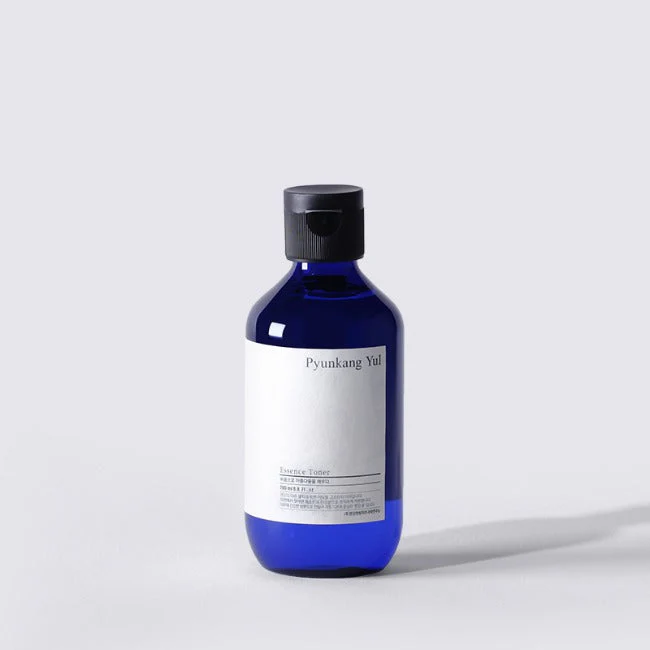
This toner is more like a serum. It’s inexpensive, it’s soothing, and it has astragalus extract in it which I guess does something. I’ve had days when all I’ve used is a cleanser, this, and moisturizer, and my skin has felt fabulous. I also notice a difference when I’ve run out of it.

I pat it on my skin immediately after washing, while my face is still damp. Then I either use a serum on top of it, or go right to moisturizer.

This is another product that comes in a plastic bottle, but, because of the way it’s dispensed, I’m not sure how well glass or aluminum would work. As with the TJ’s cleaner, at least it’s a pretty basic bottle.

Serum #1: The Ordinary Marine Hyaluronate, $9.20

This is a waterier version of The Ordinary’s other hyaluronic acid. It’s very light, but it does the job. It doesn’t make my skin feel tight or sticky, it’s just a gentle, soothing humectant. I use about five drops of it, so a bottle lasts me for a while. The very light, watery texture also means that it layers well with other serums — it absorbs right away, so there’s no pilling or other weirdness.

Like the PKY toner, I also notice a difference when I’ve run out of this one. It’s just so nice for some added moisture under a heavier serum or cream.

This one comes in a glass dropper bottle. I often end up reusing these for oil blends and other stuff.

Serum #2: The Ordinary Pycnogenol 5%, $11.50
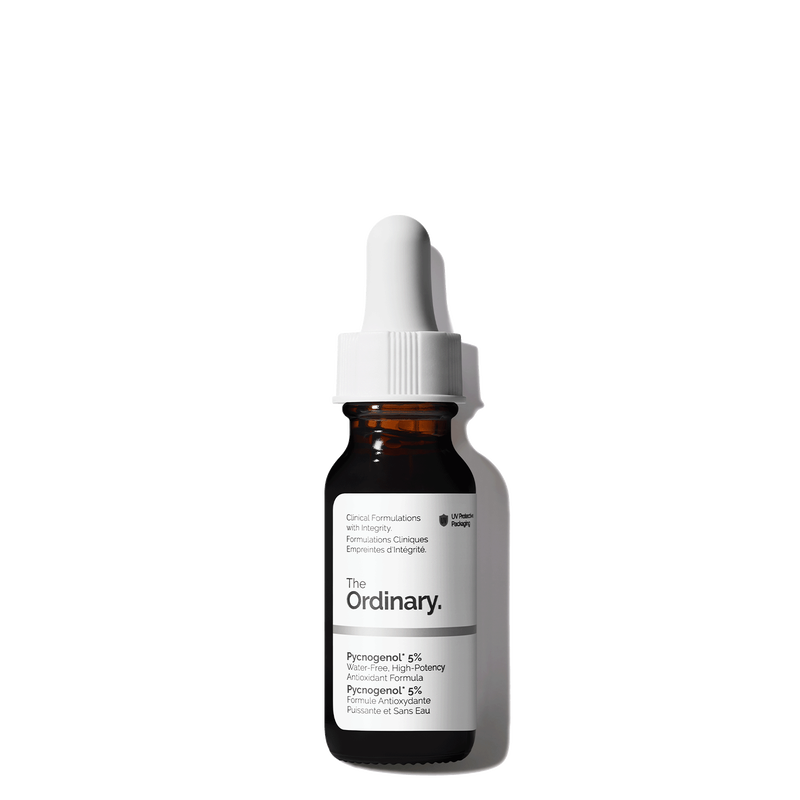
This is an oil-like (but oil-free) serum containing maritime pine extract. It’s a potent antioxidant, and the consistency means that it’s moisturizing, too. The naturally reddish color also makes me look like I’m painting my cheeks with the blood of my foes, and that’s a neat concept!

It has a natural sort of piney, almost floral fragrance. It’s very nice. I like to use this during the day, or at night any time I’ve been in the sun, on the road, or otherwise exposed to conditions that would make me benefit from some help with skin recovery.

These come in little amber glass dropper bottles. As with the hyaluronic acid serum, I usually end up reusing them myself. It’s a tiny bottle, but a little bit goes a very long way.

Serum #3: The Ordinary Lactic Acid 5% + HA, $8.10

This is a gentle chemical exfoliant. I don’t respond super great to retinoids, but lactic acid leaves my skin plump and glowy. There’s also a 10% version, but I like the gentler 5% version more for my sensitive skin.

I use about three drops at night, and definitely notice a difference when I haven’t been using it. It’s nice, it doesn’t sting, smell terrible, or leave my face feeling tight or gunky.

These come in frosted glass bottles.

Day Cream: Pyunkang Yul Calming Moisture Barrier Cream, $16.99

This is a light day cream that’s almost between a cream and a gel. I use it in the mornings, and it doesn’t feel heavy, break me out, or leave my skin sticky. It’s just a nice, inexpensive moisturizer that works. No fragrances, nothing that makes my sensitive combination skin uncomfortable, it’s just good.

The jar is heavy plastic. I wish it was glass. I love it, but if I’m able to find a substitute in a glass jar then I wouldn’t mind switching.

Night Cream: Derma-E Ultra Hydrating Advanced Repair Night Cream, $31.50

This is the most expensive item in my routine, and it’s still really reasonable for what it does and how much I use. It’s a nice, rich cream that absorbs well but is still occlusive enough that I don’t feel like it’s all gone by morning. Layered over hyaluronic acid and pycnogenol, it’s lovely. The jar isn’t huge, but it lasts me for quite a while.

This one comes in a glass jar, which is rad.

Sunscreen: haruharu WONDER Black Rice Pure Mineral Relief Daily Sunscreen, $22.00

This stuff is really nice. It’s SPF 50+, made for sensitive skin, reef safe, and doesn’t leave me with a whitish case. (I have light skin with beige undertones. It is aggressively neutral and, even though my skin is light, a lot of mineral sunscreens make me look like I’m wearing corpse paint.) It’s also lightly hydrating and feels nice.

I wish it came in a glass pump bottle. Their other packaging materials are 100% recycled and Forest Stewardship Council-certified paper printed with soy-based inks, so that’s nice.

The stuff that I’m not re-buying:

Serum: The Ordinary Matrixyl 10% + HA, $10.90

I don’t know if this even did anything other than make my face sticky and give me an occasional pimple. Someone else may very well benefit from it, but I didn’t see any.

I ended up using it on the backs of my hands so it wouldn’t go to waste. My hands did look smoother and feel softer, but I feel like adding a serum step to an anti-aging hand care routine is a bridge too far for me.

The bottle is a nice glass dropper bottle, though.

Serum: The Inkey List Retinol Serum, $15.00

This one was just sort of fine. I probably would’ve repurchased it, but the plastic squeeze tube was a really annoying and inconvenient way to dispense it. I feel like I waste product by dispensing it into my hands first, so I really prefer to be able to drop a single drop where my skin needs it most. With this packaging, it almost invariably dispensed way more than I needed, which got annoying.

I used it all up on my face, but the inefficient application and plastic tube make it a no for me.

Moisturizer: The Inkey List Bakuchiol Moisturizer, $15.00

I’ve used products with bakuchiol in the past, but this moisturizer was a no-go for me. The squeeze tube, while not my favorite, was fine for applying a cream. However, the moisturizer itself was just kind of sticky and irritating. I don’t like feeling sticky, and I don’t like feeling itchy, and this did both.

I ended up using it on the backs of my hands, and now my hands are officially fancy.

Lip Balm: The Inkey List Tripeptide Plumping Lip Balm, $13.00

I wanted to love this. I did. It even seemed to work at first — my lips felt smoother and plumper, and it wasn’t sticky. The trouble here lies in one single ingredient: Castor oil.

For some people, castor oil is fine. For others, not so much. If you find that lip balm tends to make your lips flakier afterward, you might be sensitive to castor oil. (You may also find that you react badly to natural deodorants that contain zinc ricinoleate.)

This balm made my lips to dry and peely, it was almost like a chemical burn. Like, dead-of-winter, have-not-had-a-drop-of-moisture-even-half-of-a-time-in-months dry. Your mileage may vary, but, if you’ve had issues with products containing castor oil or zinc ricinoleate in the past, you probably want to skip this one.

I’m feeling pretty good. I’ve whittled things down to what works for me, and I don’t feel a need to try to continue to optimize my routine. A cleanser, a toner, serum, and moisturizer. One exfoliating serum, one moisturizing serum, and one antioxidant serum. I’m pretty much covered for whatever my skin goes through.

life

“YOU WOULDN’T DOWNLOAD KOMBUCHA!”

Remember when I was brewing water kefir and accidentally almost made my Handsome Assistant lose an eye? As much as I loved the process (and the product), I also found that water kefir required a lot more attention than I am accustomed to from my colonies of semi-feral microorganisms. So, I’d been considering going back to making kombucha.

And remember those PSAs about video piracy from back in the day?

Joke’s on them. I would 100% download a car.

(Also, hello again! I apologize for my unannounced hiatus last week. It was my Handsome Assistant’s birthday, the world is on fire, and I was not feeling my best. I am better now and 100% back on my bullshit again.)

Anyhow, I was originally introduced to kombucha by a very sweet lady from Russia that I used to work with back when I still did Laboratory Stuff. (Predominantly a series of small, purposeful, semi-controlled explosions.) She brought me part of her SCOBY, and I used that for ages. Eventually, I fell out of the practice when my then-partner and I moved.

The trouble is, getting back into making kombucha hasn’t been super easy. Tracking down a live SCOBY isn’t always the simplest process and having them shipped through the mail can be tricky. (Of course, this is true of anything living that has to go through the mail. Bugs. Plants. Small children.)

Fortunately, there is a solution: Just kind of make your own, with a little help from the bottled stuff.

The majority of bottled kombucha on the market is raw. It has to be, in order to do the whole “probiotic” thing. This means that, even without a SCOBY, it contains what you need in order to brew more kombucha.

I’ve read posts that claim that bottled kombucha has been somehow “weakened,” and isn’t as strong as the starter culture used to produce commercial kombucha. I have my doubts about this because this would mean that it also wouldn’t be very effective as a probiotic. I’m also not sure of what kind of process would selectively weaken a probiotic culture in order to… install some kind of microbial DRM, I guess?

Even if this were the case, it doesn’t actually matter. As anyone who’s started a sourdough culture or accidentally left a bottle of juice out for a few days can tell you, the bacteria and yeasts responsible for fermentation are all around us. The trick is to select for those, and not pathogenic bacteria or toxic fungi. If you start with bottled raw kombucha, you’re already starting with something that has the low pH and natural compounds needed to keep down populations of unwanted microorganisms. It might take a couple of rounds for a SCOBY to get to full strength, but it’ll get there. I mean, the first kombucha ever made didn’t have a SCOBY to start with. Even if all you have is a bottle of kombucha, you’re ahead of the game.

A close-up of a jar of tea, showing a thin SCOBY "skin" on the surface,
If you look at the surface of the tea, you can see a thin SCOBY formed from the bottled kombucha.
  1. Get a bottle of kombucha. Make sure it’s raw. Flavor doesn’t really matter. Drink about half to two thirds of it. Leave the goopy stuff at the bottom.
  2. Clean a nice, wide mouth jar. Rinse it thoroughly.
  3. Brew up some nice, strong tea in your jar. I prefer green. (While you technically can make kombucha from herbal tea, this isn’t really recommended. If you do want to do so, you’re advised to cycle between a batch of herbal kombucha and a batch of the regular kind. To start with, you’re better off working with actual tea — the stuff made from Camellia sinensis, without any other additives.)
  4. Add a bunch of sugar. It should be very sweet, albeit not syrupy. Don’t worry about the sweetness, because the kombucha will eat most of the sugar anyway.
  5. Allow the tea to cool to room temperature, or just slightly above. Too much heat will kill off the culture.
  6. Swirl the bottled kombucha thoroughly to incorporate the goopy stuff into the liquid. Pour the bottled kombucha into your tea and sugar mixture.
  7. Cover the jar with a bit of cloth, a sturdy paper towel, or a coffee filter. Secure it with a rubber band.
  8. Put it someplace clean, warm, and dry, out of direct sunlight.
  9. Ignore it for a while. You’ll eventually begin to see a thin, translucent “skin” forming on the top. This is a baby SCOBY! With time, it’ll get thicker.

After a week or so, your SCOBY should be a bit more substantial. Brew up more tea and sugar and transfer it to a new jar to allow it to continue to grow. The old SCOBY will break down, and a new one will form on the top. If conditions are right, it’ll gain some strength with each successive iteration. It’s a good idea to cut the SCOBY into halves so you can have two separate batches running at once — that way, if one goes weird, you’ll still have a backup.

So far, this process has been working out well for me. The SCOBY is SCOBYing, and I’m coming up with ideas for flavoring a second ferment. I’m thinking a ginger peach or raspberry and rose.

life · Uncategorized

What’s going down in Rock Creek (and why it’s a big deal)

This weekend, my Handsome Assistant and I attended an educational picnic to save Rock Creek, which is currently at risk from the continued expansion of a golf course. Construction has already begun, parts of the forest are being turned into mulch as we speak. Over 1,200 trees are slated to be cut down, including some that would otherwise be considered special or heritage trees under DC law.

This deforestation is part of an effort to expand multiple golf courses throughout the DC area.

Yeah, I know.

Even without further examination, I mean — who is building golf courses right now, of all things? The answer is the National Links Trust. While people worry about paying rent and getting their next meal, the National Links Trust apparently thinks that the public yearns for more golf courses. It’s something that sounds almost moustache-twirlingly villainous. Like the plot of an after school special where the heroes are a band of plucky cartoon kittens. Unfortunately, this is actually happening.

What’s the deal with the National Links Trust?

The NLT’s stated intention is “positively impacting our community and changing lives through affordable and accessible municipal golf.”

This is something that doesn’t sound… terrible, barring the whole “people-can’t-afford-food-right-now-you-rich-weirdoes” aspect. However, here’s what the NLT isn’t saying:

Lem Smith, NLT board member, International & Federal Government Affairs Manager for Chevron, and Former VP, Federal Government Relations for the American Petroleum Institute.
  • One of the board members, Lem Smith, is the International and Federal Government Affairs Manager for Chevron. The Chevron responsible for dumping 16 billion gallons of toxic wastewater into the Amazon basin. The Chevron currently denying millions in fossil fuel transit fees to the Palestinian people. The Chevron currently funding apartheid and war crimes. That Chevron.
  • While they claim that they’re attempting to mitigate the harm done by the deforestation of Rock Creek (harm that is, once again, completely unnecessary and unasked for), they are not adhering to the best practices for doing so. There are multiple ways to mitigate the damage of both removing old growth trees and the presence of invasive plants, but their policy seems to be to mulch everything and call it good.
  • They’re not actually accountable to anyone. They can make half-hearted promises to plant meadows and maintain the forest all they want, but there is no incentive for them to keep them and nothing to stop them from doing whatever they want.

They claim that they’re willing to dedicate unused golf courses to being replanted as meadows. This is not a suitable compromise for multiple reasons:

There’s also the fact that it doesn’t seem like anybody actually asked for this. When asked, local golfers appear to be ambivalent at best. The NLT was able to scrape together some who are in favor of it to make a public appearance, but these don’t appear to reflect the opinion of the majority of the new course’s ostensible user base. They are absolutely not reflective of the larger population of DC and the adjacent area.

Here’s why it matters (no matter where or who you are).

So the NLT is attempting to build a golf course. Like I said, this is a huge deal and will have far-reaching effects even if you don’t live anywhere near DC. Here’s why:

Old growth areas are carbon sinks.

It is generally thought that old forests cease to accumulate carbon, but this isn’t the case. Research shows that in forests between 15-800 years of age, “net ecosystem productivity (the net carbon balance of the forest including soils) is usually positive.” What’s more, carbon doesn’t cease to exist once it’s taken up. When these areas are disturbed, that carbon is liberated as plant matter decays or is burned. Rather than trees dying naturally over time, breaking down, and having their nutrients (including carbon) absorbed into the mature forest, deforestation disrupts this natural cycle.

Rock Creek is part of the Potomac watershed.

Trees support healthy watersheds. Rock Creek itself connects to the Potomac River, and eventually drains into the Atlantic Ocean via the Chesapeake Bay. Trees contribute to healthy waterways by anchoring soil in place, preventing erosion. Their root systems (including the mycorrhizae within the soil that surrounds their roots) help capture nutrients. Without these systems in place, they would otherwise flow into the water to encourage algal blooms and fish kills, a process known as eutrophication. Removing these trees and replacing them with grass that requires a regimen of fertilizers and treatments to maintain is a terrible idea.

The last thing anyone needs is golf course runoff oozing into our local waterways.

Golf courses need a lot of water.

I already mentioned supplemental irrigation, but I’ll say it again: Golf courses need a lot of water. They are generally watered with sprinkler systems that lead to a lot of waste and loss through evaporation. This also puts strain on existing systems, reducing the availability of water for other uses and increasing scarcity issues. Only about 12% of golf courses surveyed use recycled water, and even with more efficient irrigation methods, turf grass remains a very wasteful use of land and water.

We’ve already had droughts here. We’re already told not to use any more water than necessary during the summer because of scarcity issues. Why are they building a golf course?

This could increase the transmission of avian flu.

I’m not being hyperbolic when I say this. Destruction of wildlife habitats drive populations of wild animals into greater contact with humans. If old growth trees are destroyed, the thousands of birds that they house and feed get pushed elsewhere. That “elsewhere” is going to be people’s back yards.

How does that relate to the H5N1 virus? More displaced birds mean more contact between wild birds and flocks of backyard fowl. It means more indoor-outdoor cats that come in contact with potentially infected birds. It means more bird feces on cars, decks, and feeders. A higher overall population of birds congregating in the same feeding and shelter areas means a higher risk of potentially zoonotic H5N1 moving through that population.

Birds aren’t the only ones that’re going to be displaced, either. Look for more conflicts with foxes, raccoons, rodents, and coyotes, too.

If it was living in that part of Rock Creek, it’s gonna need a new place to go. In an area as densely populated as DC and the surrounding suburbs, there aren’t many other options.

This further undermines Washington, DC, as a political entity.

Washington, DC, has been pushing for statehood for some time now. (A significant part of the reason why it keeps getting struck down is that DC would be a majority blue state, so it benefits the Conservative party to avoid allowing it to have any more representation than it already does.) While it isn’t a state, DC does still have home rule in some aspects. For example, DC’s tree law provides numerous protections specifically for heritage trees. Removal of a tree that qualifies as a “special tree” requires a permit. Healthy heritage trees cannot be removed, period.

Rock Creek is part of the National Park System. As such, even though a significant portion is within DC, DC isn’t able to enforce its tree laws to protect it. This inability to protect trees within its area further undermines DC as a legal and political entity.

The National Park Service is part of the problem.

Rock Creek is a national park, but it hasn’t been maintained as one. Invasive plants are a significant issue, and one that the National Park Service hasn’t adequately remedied. There are local people who are trained as Weed Warriors, who are able to legally remove invasive plants. However, there’s only so much they can do.

Part of the inception of the National Park Service was to push Indigenous Americans off of their ancestral land, with the claim that the land must be “preserved.” (Madison Grant helped launch the national parks movement — he also wrote The Passing of the Great Race, which gave a very detailed account of his negative views of Indigenous people, Black people, and immigrants.) In reality, the land in the National Park System was being preserved just fine while its original stewards were living there.

The neglect of Rock Creek shows that this land is not being protected or preserved. Furthermore, its current state has incentivized the NPS to sell part of Rock Creek in order to have it cut down and turned into a golf course. The idea is, I guess, that the National Links Trust would do the preserving instead, by… cutting the trees down and turning the land into a putting green.

It’s all so, so ridiculous, and it’s a terrible omen of things to come. Nothing good will come of the NPS being allowed to neglect public lands, then sell them off.

Light pollution is going to be a problem, too.

In addition to the loss of exceptionally old trees, biodiversity, and wildlife habitat, the presence of a golf course will increase light pollution in the area. The plans call for a driving range that will be lit through the night hours. This will disrupt nocturnal animals, including (especially) insects. We’re already experiencing a dramatic drop in insect populations. We don’t need a @#$%ing driving range that nobody asked for to begin with.

The land is removed from public use.

Right now, you can just go to Rock Creek. You can walk around. Picnic. Bird watch. Have a grand old time.

Already, the area of the forest that is earmarked for cutting has been removed from public use. You can’t just go there — people who have have been told to leave.

Meadows aren’t forests.

Even if the NTL carries out their plan to turn unused golf courses into meadows, meadows do not provide the same benefits as forests. I’ve been very vocal here about my efforts to remediate the immature, hard clay soil and turn it into mature soil. Cultivating turf grass is terrible for soil and doesn’t allow it to mature.

So here’s a bunch of immature soil that’ll be used to grow some (one can hope, but certainly not assume) native flowers and grasses. This will take over a hundred years become anything like the area that’s currently being cut down, in a process known as forest succession. While meadows are certainly better than the sterile monoculture of a putting green, they do not play the same role or have the same benefits as a century old forest.

Here’s what you can do.

Right now, the easiest thing to do is to boycott Chevron and its associated companies. People across the US and around the world are rejecting Chevron. Coupled with lower sales of jet fuel and other factors, Chevron recently reported a loss for the first time since 2020.

This effort to turn part of Rock Creek into a golf course is just a continuation of Chevron’s ongoing pattern of land acquisition and destruction. They are promoting this destruction via the National Links Trust. If you are interested in helping to put a stop to this, please visit Defend Rock Creek’s Linktree for further steps that you can take.

life

Bodies are kind of a scam, tbh.

I will never cease to be simultaneously baffled, amused, and horrified by the sheer number of tiny, pointless ways that the human body can go wrong.

I don’t mean cancer or anything that serious. Just tiny things, like hitting your late twenties and discovering that your brain is no longer able to regulate its own cerebrospinal fluid. Or going to sleep and waking up with a ruptured disc in your spine. Or, as I recently discovered, calmly crocheting on your couch and having part of your eyeball fall apart.

Person with blue and brown partial heterochromia.
Photo by Victor Freitas on Pexels.com

It’s fine. (Really.)
It sounds much worse than it is.
It seemed much worse than it is when it happened — a sudden flashing of light around the edges of my vision, and the appearance of a blobby, dark-bordered circle in the middle. No pain. No blindness. Not even blurriness. Just something quite a bit stranger than the usual slate of pseudotumor-related optical batshittery to which I’ve become accustomed.

It’s a posterior vitreous detachment, and it’s what happens when your ocular jellies kind of pull away from their attendant structures. The flashes of light happen because the retina has no receptors for pain, and the sagging vitreous jelly pulls on stuff it shouldn’t. The little blobby circle is a shadow cast on the retina from the detached bit.
It’s gross, it’s weird, and it’s also bizarrely… harmless?

I mean, it isn’t ideal, but it’s also something that just kind of happens to people. I’ve read that it’s more common in older people, but not exactly uncommon in younger people. My history of papilledema may make me more susceptible, since nothing inside my eye it shaped the way it ought to be anymore to begin with. It isn’t even caused by in injury, the way a detached retina can be. It’s just one of many ways your body can decide to be uncooperative.

And, as with so many other small, horrifying annoyances, there’s not really much to be done. It’s just kind of like that now and will remain so for the next few months until a) my brain retrains itself to ignore it, and/or b) the stringier bits settle to the bottom of my eye. There’s a pretty high likelihood that I’ll develop a retina tear or detachment at some point, but, until that happens… eh.

I can’t say I’m happy about it, but it could be a lot worse.

Eyes were a terrible idea.
Mortal existence is a scam.

life

Well, give me fentanyl and call me Donald Duck!

Kiko has always been a “daddy’s girl.” The kind of cat who’s content — nay, delighted — to sit on my Handsome Assistant’s lap for hours at a time, gazing up at him with an expression that could only be called “worshipful.”

Don’t get me wrong, she loves taking small naps on me. But if he’s available, it becomes much more, “This is my daddy’s house. That idiot lives here too.”

So on Thursday, when she ignored him to come snooze on my stomach and gently headbutt my face, I was surprised.

“Am I dying?” I joked.
“Don’t say that. You know she loves you,” he replied.

Anyhow, 10:00 Friday morning. I woke up with a nagging backache of a kind I have uneasily come to associate with pyelonephritis. Even though I hadn’t had any urinary symptoms beyond the “maybe I should have a glass of cranberry juice about this, just in case,” kind, I was somehow progressing into the worst pain of my life. I tried taking a hot bath, just in case it was a muscle or joint thing. When I was in danger of passing out and drowning, I crawled to my Handsome Assistant’s office door and pounded on it.

“Is everything o-“
help

No position was comfortable, or even marginally less agonizing, so I kind of did the worm on the floor for a while as he looked things up, asked me questions, and decided it was time for a ride in the Wee-woo Wagon.

Ten minutes after that, I was loaded in the back of an ambulance and shot full of fentanyl and Zofran.

“Is it helping?” One of the paramedics asked.
“It’s… I still feel pain. But in a way that’s hard to care about,” I replied.
“Yeah, it does that. I have some other stuff that’s more dissociative.”

I don’t remember what I said after that. I’m pretty sure it was something akin to that everyone in the ambulance was now my friend except for this one light that was kind of strobing in a way that I Did Not Appreciate.

It being early January, every ER was swamped. (Also, contrary to popular belief, arriving in an ambulance does not get you seen faster than if you walk in the door. You get triaged just like everyone else no matter how you get there.) Fortunately, the ambulance guys had started an IV so I was able to get some more medication for nausea and pain while I had to wait. Also, because I compulsively apologize when I’m afraid or in pain, I did that to pretty much everyone I came in contact with. If my mind couldn’t find a reason to apologize, I just said “Thank you” over and over instead.

A photo of a faux wood cabinet/closet in a hospital room. A grown man is partially visible through a gap in the door.
At one point, my Handsome Assistant inspected the various doors, closets, and cubbies in the room. He found this closet/wardrobe type of arrangement and decided it was a good time to go to Narnia.
(Also that black box is an Xbox mounted to the wall, because this room used to be/occasionally still is used for pediatrics. No games or controllers, though. I think you have to ask for those.)

Everyone was very nice and extremely helpful. I briefly talked to a teledoc when they were initially triaging me, so they could order some pain meds and initial testing (a CT scan, some bloodwork, and a urinalysis) while I had to wait for a room. My Handsome Assistant handsomely assisted me by occasionally asking how things were progressing, if I could have some water or ice chips, and so on. One of the nurses noticed he called me “they,” so she asked what my pronouns were just to make sure.

“Honestly, I do prefer ‘them.’ But I’m in the ER, you could call me Donald Duck and I’m really not gonna worry about it,” I explained, around a mouthful of ice chips.

There were ultrasounds. An offer of morphine. Ultimately, it looks like it’s a urinary thing of some kind, and my immediate future looks like a whole lotta antibiotics, phenazopyridine, and heating pad time.

Hat tip to everyone in the ER, though. The doctors were thorough, the nurses were very chill and understanding, and the imaging technicians/various -ologists did a lot to help put me at ease. I feel like I’ve been dragged over several miles of gravel road, but I’m probably going to be fine.

But anyway, the point I’m trying to make is that, should you feel a deep, continuous ache in your lower back, and stretching, massage, etc. don’t seem to help, get thee to a doctor instanter. Don’t wait. Not only can it be very dangerous, but it also hurts super badly the entire time.

animals · Plants and Herbs

Tooth Folklore and Magical Properties

The other day, my Handsome Assistant and I had the chance to watch the movie Moon Garden. It’s a beautiful, strange, surreal, very dark fantasy about a (very parentified) little girl who suffers an injury and falls into a coma. While she’s comatose, she has to find her way through an industrial horror landscape to make it back to her family. The entire movie is done with practical effects, and it has some of the most striking imagery — and villains — I’ve ever seen. Particularly the main antagonist: Teeth.

(Admittedly, I was a bit disappointed that Teeth turned out to be the only villain. The Mud Witch looked extremely cool and I would very much have liked for her to have a bigger role.)

Teeth is a manifestation of emptiness. An anthropomorphization of a chattering teeth toy and her grandpa’s dentures. Human teeth can also be transient — the little girl is at the age when she’d start to lose her baby teeth, and Teeth’s decayed-looking maw is an embodiment of neglect.

Outside of Moon Garden, teeth still have meaning and symbolism. They’re useful, beyond their biological function. They’ve been at the root of myth, legend, and folklore for as long as humanity’s had any of those things (or teeth, for that matter).

In the US, western Europe, and other areas with a heavily European influence, there’s the Tooth Fairy. When children lose baby teeth, they’re told to put them under their pillows. Then, at night, the Tooth Fairy is said to come to trade a little bit of money for the lost tooth.
(Traditionally, anyway. Today, some parents have moved away from giving money and give small toys, stickers, or other treats as “payment” instead.)
In Italy, the Tooth Fairy is a little mouse named Topolino. In France, La Petite Souris. In Spain and other Spanish-speaking countries, El Ratoncito Perez. In Scotland, it’s a white rat.

Finland has a modern figure (or figures) known as Hammaspeikko, or “tooth troll.” The tooth troll isn’t a Tooth Fairy like figure, though. Instead, it’s an explanation for dental cavities that comes from a 1949 Norwegian children’s book. Eating candy lures in tooth trolls, and these trolls drill holes in teeth. Luckily, they can be scared away by brushing.

Close up of a mugger crocodile in Bangladesh.
He’s grumpy because he’s got all them teeth and no toothbrush. Photo by RatuL CR♠️ on Pexels.com

Interestingly, the Tooth Fairy doesn’t really have direct parallels in European myth or folklore. Some folklorists say that the idea comes from an old Scandinavian practice of tand-fé, a “tooth fee,” but this is unlikely. In the Norse Eddas, tand-fé is described as ritual in which a child’s mother would give them a small amount of money for the loss of their first baby tooth — no fairies involved.

Ditto for other old practices for dealing with baby teeth. In England during the Middle Ages, children were told to throw their baby teeth in the fire. If they didn’t burn them, they’d spend their afterlife searching for all of their lost teeth.

For the most part, the Tooth Fairy, tooth-burning, and tooth-purchasing do seem connected to one core belief: The idea that those teeth need to be either accounted for or destroyed. There may be a good reason behind this (and it’s not as heartwarming as needing something to put in a baby book or keepsake box).

In spellcraft, there’s the idea of including some “personal concerns” (sometimes called taglocks) in order to help the spell reach and act on its target more effectively. These can be pretty much anything — a piece of jewelry worn by the target, a scrap of fabric cut from their clothing, a shoelace — but the best are physically connected to the target. That means nail clippings, hair, or teeth.
These can be used to very good effect — like sending healing to someone through a poppet with a lock of hair inside, or creating a kind of protective magical decoy — but can also be used for ill. Hexes, curses, jinxes, and other attacks work a lot better when they have a good idea of who they’re going to!

In other words, if you didn’t want anyone to work malevolent magic on your offspring, you had better either keep hold of those baby teeth or make sure they’re totally unusable. Children were regarded as a common target of things like the evil eye or the jealousy of spirits, so it’s not a huge leap from “don’t compliment babies too much or they’ll be cursed,” to “better hide all those baby teeth from witches, just in case.”

Alternatively, children’s teeth were sometimes treated as a kind of talisman. In this case, you wanted to keep those teeth for good luck and success in battle.

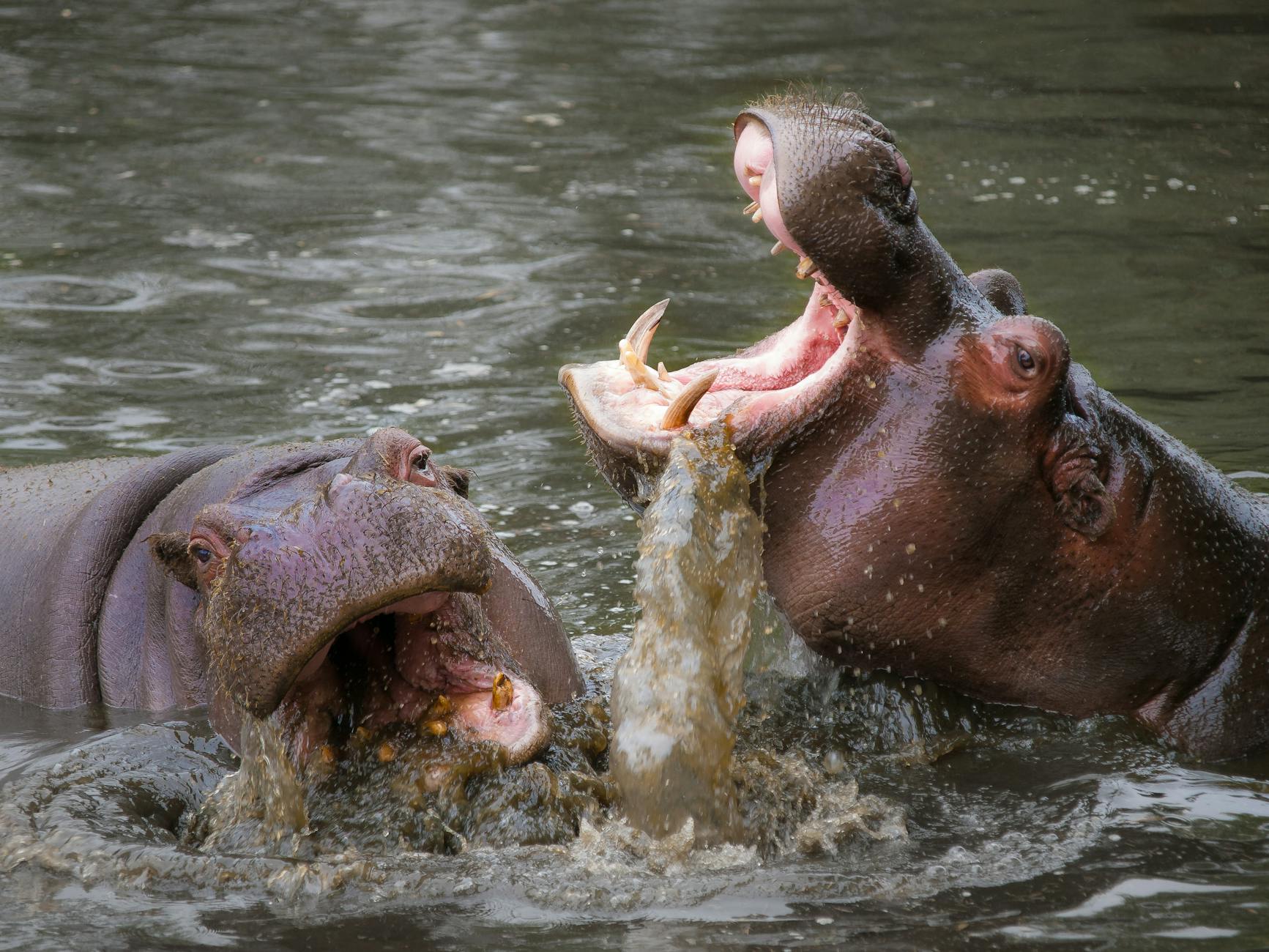
Close up of hippopotamuses in a river. One hippo's mouth is open, showing their very impressive teeth.
The “success in battle” bit might work better if the teeth in question come from a juvenile hippopotamus, just saying. Look at those things! Photo by William Warby on Pexels.com

Sometimes, mothers would even swallow lost baby teeth, or encourage their children to swallow them.

Another common ritual involved offering the lost tooth to an animal, typically a rodent or other animal with strong teeth. The idea was that, if the animal received the tooth along with the appropriate prayers, the child’s teeth would grow in as strong as the animal’s.

Close up of a nutria, showing its strong, orange-hued teeth.
May your offspring have teeth as strong as those of the noble nutria. Photo by Petr Ganaj on Pexels.com

Teeth show up in more than just Tooth Fairy stories. In ancient Greek legend, the teeth of a dragon feature prominently in the story of the quest for the Golden Fleece and the tale of Cadmus.
King Aeëtes of Colchis demanded that Jason sow dragon’s teeth given to him by Athena in order to get the Golden Fleece. His daughter, knowing what was up, told Jason that warriors would spring up where the teeth were planted and, if he didn’t want them to turn on him, he needed to throw a stone between them. He did so, and the warriors turned on each other and battled to the death.
Cadmus, on the other hand, killed a dragon that served as the guardian of a spring dedicated to Ares, the God of War. Athena gave Cadmus half of the creature’s teeth and told him to sow them as he would seeds. He did so, and fierce warriors sprang up from the soil. He, like Jason, threw a stone into their midst and they all turned on each other. Only five remained standing, and they helped Cadmus found the city of Thebes.

In Chinese medicine, each tooth is said to be connected to a different organ through energy meridians. Pain in a tooth, then, indicates a problem or imbalance with that particular organ.

Ideally, you have a source of baby teeth. Otherwise, I’d strongly recommend against trying to seek them out elsewhere for magical purposes because 1) it’d hurt, B) it’s likely to be wildly unethical, and III) desecrating corpses is against the law.

A wild boar in close up shot, showing its curving tusks.
They might not be useful for biting, but those tusks are a defensive weapon nonetheless. Photo by Dario Fernandez Ruz on Pexels.com

That aside, human teeth are great taglocks for poppets, spell jars, and other workings. Still, all things considered, you’re probably better off sticking with a lock of hair or a few nail clippings.

Animal teeth are used for animal magic, or (in the case of canine teeth from predators) protection. They can be worn as amulets or talismans on their own or included in protective sachets.

Losing baby teeth is a rite of passage for most kids and parents alike. It’s a sign of growth and, depending on your culture, potentially a source of danger. Whether you still have your teeth saved in a keepsake box somewhere, or you’re creating ways to make visits from the Tooth Fairy special for your own kids, you’re partaking traditions with ancient roots.
(No pun intended.)

life

“I mean, I get but… but you sure, dude?”

So, I haven’t made any secret about having what many would call “mental health struggles.” I don’t find this something to be ashamed or embarrassed about — if I had diabetes, I wouldn’t be embarrassed by using insulin. If I don’t have enough serotonin or dopamine, I’m not embarrassed by supplementing those, either.
Most medicine is pretty much fixing malfunctioning levels of various horrible meat fluids, whether they’re in the blood, pancreas, liver, or brain. The human body is a soggy box of horrors.

(Really, though, I’m not super fond of the euphemism “mental health struggles” either. I came out with funky brain stuff, and I’ll likely die with funky brain stuff regardless of how much therapy, medication, yoga, supplements, special diets, et cetera that I use. Rises and falls in this aren’t because I’m not struggling hard enough, or I’m losing some kind of struggle. Them’s just the breaks, you know?)

Anybutts, I’ve been using a very common SSRI for years to help blunt the worst of it, and it’s helped. The only trouble is, since it’s widely available in a generic form, I’ve been getting those generics. This isn’t a big deal, usually, except for every couple of months when I go to refill my medication.

Pile of white pills with container.
Playing “cheap generic medication grab-bag” every couple of months is not the kind of game that I’m into. Photo by Alex Green on Pexels.com

Generics are generic because they can be produced by companies other than the brand owner, usually for a fraction of the price. This means that pharmacies can fill their generics from whichever manufacturer is currently cheapest (or at least not straight-up out of stock). As a result, if you use a common generic medication on an ongoing basis, you’re likely to get meds from a number of different manufacturers over time.

“But J., what’s the big deal? It’s all the same, right?”
Helas, it is not. Generics have to be bioequivalent to brand-name medications, but that’s it. The inactive ingredients (the stuff that actually dictates how fast the medication breaks down, and how quickly or how well your particular body absorbs it, et cetera) do not. This means there’s also no objective “best” generic, because everyone’s personal biochemistry reacts to these inactive ingredients in different ways. You wouldn’t want to give someone with celiac disease a pill that used wheat starch as a binding agent, for example.

This generally isn’t a big deal for most medical conditions, but it can be a very big deal for drugs to treat or mitigate mental illness. For example, my last bottle of pills came from Camber, whereas the one before was from Aurobindo. I had Lupin before that. Every time I get a refill from a different manufacturer, I have to go through an adjustment period. Sometimes, it’s easy. Sometimes, it’s not. Sometimes, it involves resigning myself to having terrible stomach pains, increased panic, or dangerous ideation for months and hoping I’ll get a different manufacturer on the next go-round. It’s not fun. It’s not helpful. It’s not safe.
For some reason, I hit a heavy, long, difficult period of what I call The Ennui shortly after I started taking Camber’s pills. This happens sometimes.

But this is going on seemingly forever. Flatness. Anhedonia. Withdrawing from life. Nothing seems to move the needle even a little bit. It’s not as if the medication isn’t doing anything — if that were the case, I’d be curled up terror-breathing with tetany. But whatever it is doing is Weird and Bad.

“But J., pills are unnatural anyway! Our ancestors didn’t have pharmaceuticals! Just do what they did!”
They fucking died, Sharon.
That’s what they did.

So, not exactly wishing to go the ancestral approach just yet, I call my doctor. No problem. This happens. It’s a thing. Generics are not all equivalent, and there isn’t really a way to go, “Hey, this manufacturer’s meds suck for me, and I need the ones from this one.” All you can do is get them from the actual brand name, consistently, so you don’t have to readjust every time you refill. Once you know how the brand name medication works for you, you can have some consistency. So, my doctor filled out a new prescription and designated it “brand medically necessary.”

And my health insurance (through United) doesn’t want to cover it.

This isn’t my first brush with this sort of thing. When I was diagnosed with pseudotumor cerebri (intracranial hypertension), I was referred to a neuro-ophthalmology specialist — someone who specializes entirely in the connection between the brain and eyesight, who’d know better than anyone what was going on.
And Blue Cross wouldn’t cover it, so I didn’t get to go. Would I have saved more of my vision had I been able to? Would I still have developed Charles Bonnet syndrome? I guess we’ll never know!

At this point, I’m not sure what else to do. A significant part of me is very close to calling United and saying, “Look, I understand. The brand name is way more expensive. However, in light of recent events… you sure, bro?”

If you’re in a similar position, you probably get it. A friend of mine who has experienced in the medical field recommended a service called SingleCare that’s a) highly rated, and b) able to help discount prescriptions and find the pharmacies with the lowest prices. They even help with brand name medication. Even with their help, the specific medication I need is still priced well out of my price range, but they can be a lifesaver for a huge number of other people.

Anyway, rant over. With luck, I’ll be able to get this sorted out. Otherwise, I guess I’m hanging on and desperately hoping that we’re back to Lupin or Aurobindo next time around.

Plants and Herbs · Witchcraft

Soap Folklore and Magical Properties

I came across a rather strange argument the other day. One person mentioned “solid body wash,” which prompted another to go “so, soap?” This was followed by several people who either a) vehemently swore up and down that it was a marketing gimmick and there was no difference, or b) vehemently swore up and down that there was an enormous difference, but both c) could not explain why.

Focus photography of a bubble.
Photo by Pixabay on Pexels.com

I didn’t want to Kool-Aid Man in, all, “HELLO YES LET ME TELL YOU SOAP,” so I didn’t. Nonetheless, it gave me the idea to write this post — soap is a very important part of many magical traditions, and something most readers of this blog probably come in contact with every day. Sacred bathing, magical housekeeping, magical soap-making, herb craft, it all ties in together to create a vibrant, powerful, and useful set of magical techniques.

Okay, so. Just to get this out of the way — there’s an enormous difference between “soap” and “body wash.” Soap is specifically made of saponified fat. This is oil (or another fat) that has reacted with lye to produce salts that act to reduce the surface tension of water or reduce the tension where two substances interface. Like, for example, dirt or oil on your skin. Its molecules have a polar end that binds to water, and a non-polar end binds to other stuff.
Body wash is a detergent. Detergents are also made of surfactant salts, but their chemistry is very different. Detergents may be made of petroleum byproducts but are also often plant-based. While the polar end of soap is usually tipped with a carboxyl group, the polar end of detergent molecules is tipped with sulfonates.
Ultimately, as the end user, the biggest difference is this: If you have hard water, soap sucks. It reacts with the minerals in your water to produce soap scum (stearates) a waxy residue that sits on your tiles, your clothes, and your skin.
Detergents don’t produce soap scum the way soap does because they don’t react as readily with hard water minerals and have a higher pH than soap, so they tend to work better and have fewer issues in water that has a high mineral content.
Body wash isn’t really a chemical term — a body wash can be soap based but is usually a detergent because soap tends to strip and dry out skin. They also often contain ingredients designed to benefit the skin beyond cleansing, like moisturizers or exfoliants.
Does this make a difference in a magical sense? Not really, though the ingredients that make up a soap or detergent can be invoked for their own properties. Olive trees, sunflowers, and so forth all have their own energy to contribute.

A close-up of rows of wrapped bars of soap.
Photo by Polina Tankilevitch on Pexels.com

(Also, it should be noted that you can make soap less reactive in hard water. The addition of chelating agents or various forms of vitamin C can help prevent some of the formation of soap scum. It just requires some recipe tinkering.)

One bit of folklore surrounds the origins of the word “soap.” “Soap” is said to come from Mount Sapo, in Italy. In ancient Rome, there was a bend in a river at the base of the mountain. People would gather to do their laundry there because their clothes got cleaner than they did elsewhere.
Interestingly, this mountain is also where people conducted animal sacrifices. The liquefied fat, combined with the pyre ashes, reacted and ran/was washed by the rain down into the Tiber River. This fresh water, combined with unintentional soap, led to much cleaner togas.

This wasn’t the first soap, however. There are recorded mentions of using soap to wash wool going back as far as 2800-2500 BCE. Some Sumerian cylinders from 2200 BCE specifically mentions “fats boiled with ashes” — an old recipe for soap.

Bath with lemon slices in water and lit pillar candles on the floor.
Photo by Monstera Production on Pexels.com

Magically, bathing is used to both banish and attract. There are magical bath recipes for everything from breaking curses to getting a raise. They usually involve making a decoction of herbs in water, straining out the herbs, and adding the liquid to the bathwater.
Magical soaps are formulated with herbs and oils that align with specific intentions. They provide a somewhat more portable and less labor-intensive way to take a magical bath. A shop owner or salesperson, for example, may carry a bar of soap formulated to attract prosperity so they can wash their hands with it throughout the day.

This idea carries through to housekeeping. Floor, window, and door washes work the same way — by using a decoction of herbs or dilution of oils to either bring something into or get something out of a home. Back in the day, people in various cultures had other ways of achieving this goal. For example, smoke cleansing a house with juniper in order to banish sickness, or bringing in fresh sweet-smelling strewing herbs to cover a floor. Now, there are hard floors and glass windows that get washed.

Soap isn’t always associated with positive things, though. Soap Sally, an Appalachian and Southern villain figure, is said to wait with her basket for children who try to slack off when doing chores. She shapeshifts and convinces the children to follow her back to her cottage, where they gorge on candy and fall asleep.
Once asleep, Soap Sally would render the children in her stewpot. Their melted fat would be formed into hand-shaped candles or soaps, which she’d send back to their families. The families would end up burning or washing up with the remains of their own children.
Soap Sally appears to have roots in stories like Baba Yaga or Hansel and Gretel, as well as being a kind of “morality villain” to put the fear in children who’d rather play and goof off than do household chores.

Yes, yes, I know.
Who needs to be told how to use soap?
But this isn’t about just washing up — it’s about using soap for a specific purpose.

In the section above, I mention sacred bathing to attract or banish things. The process usually goes something like this:

  1. Take a regular bath or shower to physically clean yourself.
  2. Drain the tub or basin, and refill with fresh water.
  3. Add a decoction of herbs that match your intention.
  4. Declare your intention as you add the strained decoction. (Some traditions add that you should stir it into the bathwater in a clockwise direction, using your dominant hand.)
  5. Get into the bath and fully immerse yourself.
  6. Remain in the bath until you feel it’s had the intended effects.
  7. Get out of the bath. In some cases, you may be instructed to allow yourself to air dry so you don’t “wipe off” the effects.
  8. Dispose of the bathwater. In some traditions, this means taking a basin outside and throwing it over your left shoulder, toward the rising sun.

Whether the washing is “attracting” or “banishing” depends on your intention and the ingredients you add. Want to attract a lover? Rose petals, vanilla, basil, and jasmine are nice. As you bathe, you’ll be absorbing the sweet scents and loving energies from these plants. Want to banish unwanted things? Salt, rosemary, rue, and hyssop. As you bathe, you’ll be washing away whatever you don’t want.

Small bars of natural soap on linen dishcloths
Photo by Vie Studio on Pexels.com

Having a specially formulated magical soap can make this process easier. You still take a regular bath first, in order to clean yourself, but from there you just have to get into a fresh tub of water, soap yourself thoroughly with the magical soap, then rinse off.

Add a bit of magical soap to a bucket of mop water, then wash your doors, windowsills (maybe not the glass, if you’re hoping for a streak-free shine), and floors. Go from front to back to bring things into your home, and back to front to banish or push things out.
Specially compounded magical floor washes and soaps are largely found in the Hoodoo tradition, but just adding decoctions of herbs (or acids, like vinegar or lemon) is a bit more widespread.

The most basic “washing up” recipe I know of involves adding salt and lemon juice to a bucket of water, then mopping/washing walls, doors, and windows with it to help clear out old, unwanted, or stagnant energy. Pretty simple.

Whether soap originated from the accidental combination of animal sacrifices and a river, or the work of ancient Sumerian scientists, the idea of washing with soap or detergent has become ubiquitous in modern societies. When you couple the act of washing with herb lore and magical techniques, it can become much more than the sum of its parts.

(Also! I’ve gotten a few messages through the site’s Contact form lately, but they don’t include valid email addresses. If you’d like a reply, please, please double-check and make sure that your email address is correct. I’m not going to save it or sell it or put you on an email list or anything, it’s just important if you’d like me to email you back. Thank you!)

life

“I’m not gonna read all that, but I’m happy for you. Or sorry that happened.”

Here’s to a week of various inboxes filled with old men typing paragraphs.

After a while, I kind of started to wonder if all of it was even genuine. The repetition was suspect, at best — an endless line of profile pictures featuring what very well could’ve been the same guy: sunburnt, pudding-faced, probably in sunglasses, most likely with a patchy beard, and almost definitely taking a selfie in a truck. The nattering of the same right-wing dog whistles and centrist mythology, like some kind of VanderMeer-esque madness mantra, didn’t do much to change this perception.
Considering that all this was in response to a post that primarily revolved around getting together with trusted friends, having soup, sharing skills, and cultivating community resilience, it seemed especially absurd.

Like a string of identical, pink-eyed mice preaching to a henhouse that it’s perfectly fine that a fox is in charge now, actually, and you’re hysterical if you think that might be a problem.

A white mouse in a hand covered in in a latex glove.
“Personally, I’m doing just fine right now. That means that everything’s fine.”
Photo by Pixabay on Pexels.com

But if there’s one thing I’ve learned well, it’s when not to waste my time. Not everyone is worth a response. Not everyone’s words are even worth consideration. That’s not always an easy lesson to internalize, however — particularly when people show up to try to rile you up on purpose. There are an awful lot of arguments for why they think they deserve your time and attention, and oh boy will they repeat them at you.
Here’s why these arguments aren’t true:

Please understand me when I say, from the bottom of my heart, that it doesn’t matter.

There’s a very common idea in toxic dynamics that the person who points it out is the one who’s the problem — not the person responsible for the toxic dynamic in the first place. If you didn’t point it out, then everyone else could’ve gone on quietly ignoring it and not having to admit their complicity. It shows up in families, workplaces, and social groups alike. I’ve seen it. You probably have too.

But keeping that kind of peace is not worth it.

“Division” isn’t a bad word. It will let you know who you can actually trust. You needn’t to go out of your way to please others, especially if they’ve shown up just to talk down to you about topics that they don’t understand.

There’s a difference between retreating to an echo chamber and prioritizing where your attention goes. If someone Kool-Aid-Mans in just to waste your time, you are not obligated to let them do it.

Modern media has created the false perception that all opinions need to be heard and respected equally. This is how we ended up with broadcasts featuring respected professionals alongside the heads of Facebook groups who think giving children bleach enemas will cure them of Autism.
Everyone is free to express their opinion.
You’re also free to not give them a platform or an iota of your time and attention. It’s okay.

Knowing when to save your breath is healthy.

You probably won’t. I’m sorry.

By now, anyone who’s remained willfully ignorant (of actual evidence, not Qanon “think mirror” posts) isn’t going to be swayed by a reply in an email or comment section. It’s just a way to get you to waste energy that could be better spent on yourself, your family, and your actual community. It’s their choice if they want to spend their time trying to antagonize you, but you are by no means required to indulge them.

There’s a saying that, sometimes, arguing is like playing chess with a pigeon. You can do your best, but your opponent is still going to shit all over the board and strut around like they’ve won. You don’t need to include yourself in every argument that tries to rope you in. Save your energy and use it for the people who actually matter.

life

Welp.

The election’s over. I don’t really have much to say. Other people who are far more eloquent have said everything that I possibly could.

This post from Waging Nonviolence has been very helpful to my friends and me, and I highly encourage you to read it as well. I’m not going to reiterate the excellent points that it makes, but I did want to add to the list:

Many people (women, people of color, and LGBT people) are taking this opportunity to examine and pare down their spending habits. Most major corporations and big box stores are owned by the exact demographics that will either benefit or have the luxury of remaining passive. Divest from them — literally and figuratively.

Gather a group of trusted people and see what you have to offer each other. How can your community build resilience and foster independence? What can you do to lessen your dependence on purchased goods?

Now’s also a good time to focus on reskilling.

This probably seems a bit out of left field, but it ties into number 1. Grow an edible plant. Even if you’re in an apartment. Even if all you have is a tiny windowsill under a basement window. Stick a basil in it. Shove some parsley in there. Grow something that you can eat.

Will this change the political and capitalist landscape? No, but it is a way to increase your confidence and feelings of independence. It’s one less thing you’ll have to buy in the future. It’s something you can propagate and trade with others. It’s something you can eat, at a time when the US is experiencing a resurgence of fucking scurvy because of grocery price-gouging.

It’s also worthwhile to learn to identify local edible plants, especially if you live in an urban environment. Spruce tips are a good source of vitamin C, as is purslane. These are both pretty easy to find/identify (even in a city) and beat the hell out of getting scurvy.

A lot of us don’t have much energy right now. If you have a recipe for a big pot of something that you can eat for a week (khichdi, goulash, slumgullion, stew, rice and beans, something) now’s a good time to make it. If you don’t have the energy to cook every day, it’s something you can go back to. Hell, most of these foods are ones you can make from scraps and odds and ends of things.

(Yesterday, I made a big pot of vegetable soup using a handful of lentils, some cabbage, and a broth I made from vegetable peels and end bits.)

This is another way to help boost feelings of independence and combat helplessness. You can feed yourself for days, maybe even off of things you wouldn’t have much use for otherwise — broccoli stems, onion ends, a can of beans, etc.

A big pot of something is also a good way to gather the people you trust. Invite them over. Have a potluck. Grieve, if you need to, but focus on what you can do for each other going forward.

It sounds like a lot, but it doesn’t have to be. Pick one local, one national, and one global cause that matter to you. If you can’t do much else, give money. If they need supplies, either give supplies or ask around and gather them from others. If they need volunteers, give your time. If you can’t do any of that, post about them and solicit help from those who can.

Get involved in mutual aid in a way that doesn’t spread you too thin. No single person can support every good cause that comes their way. It’s possible to care about them all, but time, money, and energy are finite resources. Even if you don’t feel like you’re able to make a difference, remember the story of the star-thrower.

Look, safety pins and blue bracelets might make people feel good, but their stated intention was to show others that the wearer is a “safe” person.

There’s only one problem with that: “Safe person” is not a title you can give yourself. If it was, it’d defeat the purpose of having that title at all. If anything, performative gestures have the opposite effect because they cast doubt on whether the wearer is listening to the valid concerns that threatened groups have.

Anyone can wear a safety pin or a blue bracelet. It’s a purely performative gesture, and nobody asked for it. The people who would ostensibly benefit from it don’t want it. It’s also been criticized as a way for the wearer to say “#NotAllWhite/Straight/etc. People.”

It’s easy for gestures like these to be co-opted by predators, and they take agency away from the people they’re trying to help. Women, people of color, religious minorities, and LGBT people can decide for themselves when someone is a “safe person.”

Some people have raised the argument that these visible gestures would make dangerous people uncomfortable, so they’re worth wearing for that reason. The problem here is that that doesn’t work. In the past, they invited mockery. Dangerous people didn’t feel threatened, and other people didn’t feel safe. These gestures only benefit the wearer.

Anyway, that’s all that I have to say for now. Grieve, but don’t stay grieving. Assemble a trusted community. Build resilience. Support the women in your life who’ve chosen the 4B (or 5B-7B) movement. Do things that will foster independence.