life

Trafficking doesn’t look like you might think it does.

I’m gonna get cranky and serious for a minute.

The Epstein case and Pizzagate hoax brought child trafficking into the public eye.

Well, the “public eye.”

For some sectors of society, human trafficking has been a known reality. People were aware that there was danger, just like they’re aware that breast cancer exists. Just look at the long-running efforts to find answers about missing Indigenous women for one example. Unfortunately, narratives surrounding human trafficking have begun to solicit attention by playing to a very specific type of fear — the fears culturally pushed on middle- to upper middle-class white women. This isn’t an uncommon tactic, either. To paraphrase Henry Zebrowski’s comment about a true crime documentary, “Are ya scared, ladies? Are ya scared?”

Look at it this way. How many posts on social media have you seen about “unpublicized numbers of missing children,” or pieces of paper, flowers, or plastic bags used to “mark” cars for kidnapping attempts, or families being targeted at Walmart, IKEA, or the grocery store? Many of them aren’t even new, they’re just making the rounds again.

The trouble with these stories is that they put forth a picture of human trafficking that ends up doing more harm than good. While concerned about strange people at gas stations, shops, and parking lots, they’re overlooking what human trafficking is, how it works, and what it looks like. These stories overlook these things in favor of a more dramatic image that strikes a chord in the people most likely to make sure they’re posted over and over again. And they do it in ways that might actually be putting kids in danger.

I’ll give one very specific example. There was one mother who was concerned about her kids getting snatched. She always held their hands in public, never let them out of her sight in crowds, and even had nightmares about someone kidnapping one of her children. She paid far less attention to the fact that one of her kids was of a marginalized gender and orientation, mentally ill, and suffering from living in an unstable home. In focusing on the idea of tot snatchers, she had overlooked the things that were actually dangerous.

These were things that a potential trafficker saw. Maybe it was the way the kid carried themselves, their worn, ill-fitting clothes, or the fact that they were walking home down an otherwise-vacant street, alone, long after other kids had already left school. Either way, he crept on this kid and tried to convince them to get in his car for “a ride home.” He even held out his watch as he circled around behind them, encouraging them to get closer, to see exactly how late it was.

Abductors choose their victims the way a hyena picks out the sick and injured.

Luckily, I panicked and ran for it.

I second-guessed myself afterward, too. Maybe he was just trying to be nice. Maybe I was the asshole here, getting an innocent man in trouble. When he turned up the next day with a group of his friends, harassing my local crossing guard to try to find out where I lived, I decided that I was probably right the first time.

Not all kids are so lucky. My experience was an outlier in some ways. For one, this guy was a stranger to me — the majority of kids (76%) are snatched by those they know. (He also could’ve been a garden-variety serial killer, but I’m giving him a very, very small benefit of the doubt here.)

There are other reasons why posts that say things like, “we should be publicizing the numbers of missing children the way we publicize COVID numbers” are severely missing the point. The number of people who aren’t concerned about missing children is vanishingly small, and always has been. Who would this statistic help? The only people who have somehow managed to remain unaware of child trafficking until now are the people who haven’t experienced a reason to pay attention. A statistic isn’t going to do it.

It also plays into several myths about human trafficking. A significant number of trafficking victims aren’t “missing” at all. Trafficking doesn’t require someone to disappear. People forced into labor against their will are trafficked, even if they never go missing. A teenaged girl whose boyfriend exploits her vulnerability to convince her to perform sex work to earn money for him might go home to her unknowing parents every night. She’s still being trafficked.

Not all trafficking victims see themselves as missing, either. They may have genuine feelings for the person trafficking them, and think they are helping. They may not be desperate to leave their trafficker, or seek help to do so. Believe it or not, some may not want their families to find them.

Lastly, of the roughly 800,000 children reported missing yearly in the US, a huge number of them are victims of parental kidnapping — one source claims over a quarter, while the Parents.com page linked above claims 49%. (The discrepancy may lie in the fact that almost half of all kids kidnapped by a parent aren’t considered missing by the other parent.) There’s also the number of runaway and homeless youth: 1 in 10 young adults between the ages of 18-25, and 1 in 30 children between 13-17. This includes kids who ran away or were kicked out. Conflating missing children with trafficked children overlooks a vast array of other reasons kids disappear, as well as a ton of kids who actually are being trafficked.

There are also children trafficked by their foster or adoptive parents. The situation of “rehoming” “problem” adopted kids is a very deep rabbit hole that’s outside the scope of this post, however. It’s also somehow manages to be even more depressing to write about.

Anyone can be trafficked, but some people are much more likely than others. Human traffickers are like other criminals, they don’t want to go after a target that’s more trouble than its worth. They don’t want to snatch someone who will draw attention. People who have exploitable vulnerabilities — who are walking home late and look lonely and uncared-for, who have been kicked out of their homes for being gay or trans, who run away from an abusive family, who are recent migrants who experience difficulty navigating a new language and country — are the easy targets.

If this was about murder instead, trafficking victims would often fall into the category of “the least dead.” They’re the people who tend to attract less attention and coverage when something bad happens. Few criminals want people to take an interest in their activities.

This doesn’t mean that all kinds of people don’t get snatched by strangers. It does mean that posts and memes focusing on that specific scenario do a disservice to the very people that need to be protected. It’s kind of like posting about how huffing drain cleaner can give you lung cancer. While true, it’s also not a very effective way to prevent lung cancer.

The Epstein case also narrowed the focus to sex trafficking. In reality, human trafficking encompasses far more types of labor. By playing on the media-friendly fear of sexual violence, it draws attention to one very specific type of child trafficking. How many memes about missing children examine the amount of trafficked labor it takes to pick vegetables, butcher meat, mine ore, or sew garments? They don’t, because that doesn’t garner enough attention.

The thing that really shits me is the bone-deep irony of people who purchase counterfeit designer goods reposting memes about human trafficking. Not only do counterfeit goods rely on trafficked labor to produce, they’re a significant income stream for organized crime syndicates. So is sex trafficking. Purchasing fakes doesn’t just save the buyer money — it incentivizes human trafficking and puts money directly into the pockets of the organizations that profit from it. Fake purses create a market for trafficked kids.

Tl;dr, human trafficking is an enormous problem that goes way, way deeper than is often represented. Memes about protecting oneself and one’s family from kidnappers, or publicizing numbers of missing children versus COVID numbers aren’t helpful, and may be actively harmful by misrepresenting what trafficking looks like. Even if they’re well-intentioned, they end up supporting an agenda different from actually ending human trafficking.
Neodruidry · Plants and Herbs · Witchcraft

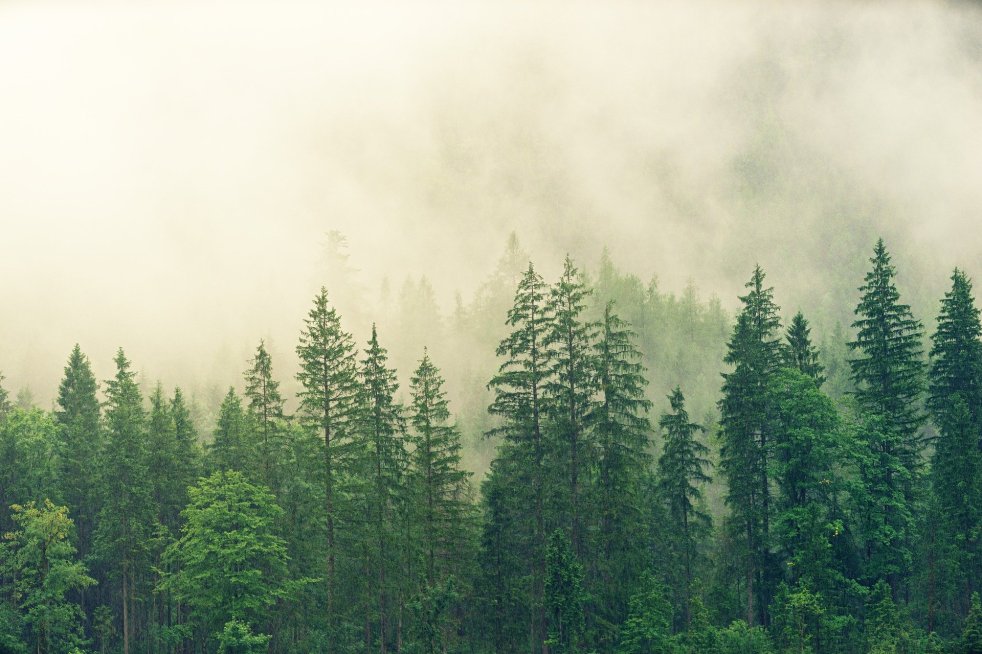
Spruce Folklore and Magical Properties

I’m finally moved, and luckily settled in to a place that my partner and I absolutely love. Seriously — we decided against buying a house right now (it’s very much a seller’s market), and it’s going to take a very special house to get me out of here once we are ready to buy. There are lots of very lovely trees around, from neighborhoods full of crape myrtle and magnolias, to a Kousa dogwood whose fruits tempt me every time I walk past it. (I always have to tell myself no, it’s part of the landscaping, not really owned by anyone in particular, and there’s no way to tell what it’s been treated with.)

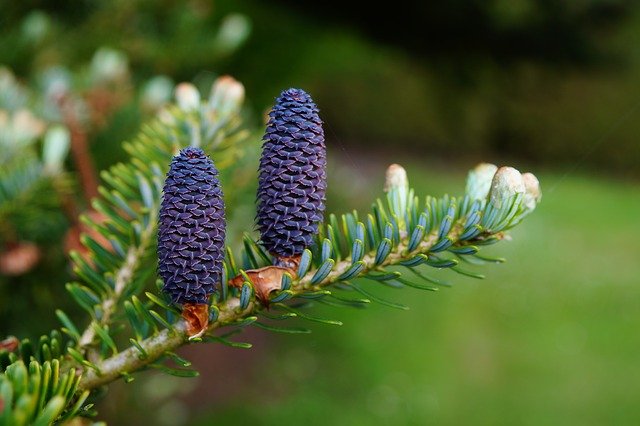
My favorite, however, is a big blue spruce.

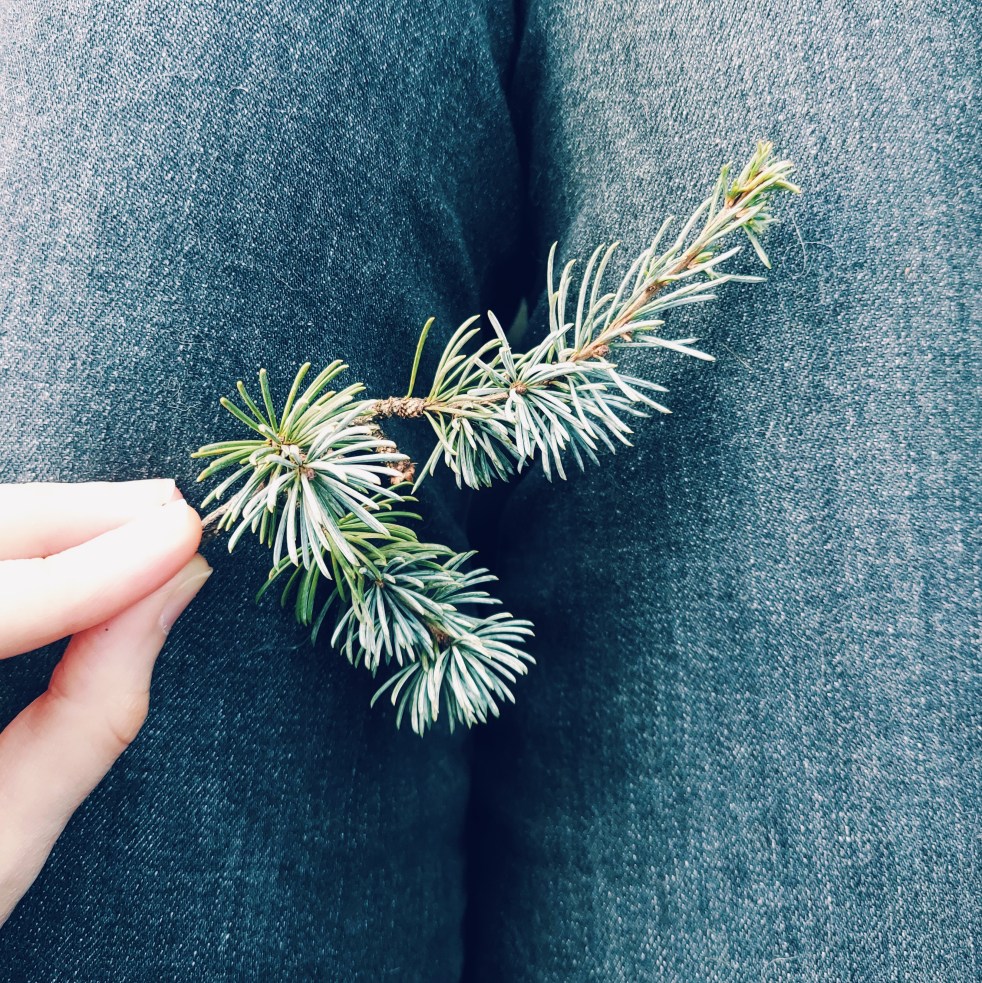
It has a weeping growth habit, so its massive branches of smoky blue needles hang dramatically. It has a really cool energy, too — not necessarily the “loving, supportive, enlightened” feeling a lot of herbal energy guides point to, more like a very old and wise thing who is also very curious about the tiny things around it. I get a gentle amusement from it. It even has a natural face in the bark. I love it.

How to Tell a Spruce vs. Pine vs. Fir

First, the big question: What kind of tree are you looking at? All of these species fall under the general category of conifers, meaning that they are cone-bearing seed plants. Spruce, pine, and fir all produce needles, too, which can make identification tricky from afar. Fortunately, there’s a pretty easy way to tell.

Pine

Are the needles long, thin, and sprout from a single spot in groups? You’re looking at a pine.

Fir

Are the needles short and flat? Pick one up (there’ll probably be plenty shed on the ground) and pinch it between your index finger and thumb. Does it roll easily? If the answer’s no, then you’ve got yourself a fir.

Spruce

Are the needles similar to fir needles, but have a square cross-section instead of a flat one? Try rolling them between your index finger and thumb. If they roll, that’s a spruce.

Spruce Magical Uses and Folklore

In western Sweden, researchers have found a spruce that may be the world’s oldest living tree. It’s nearly ten thousand years old, and has survived by cloning itself via layering.

According to the Hopi people, the spruce was once a medicine man who turned himself into a tree. It’s a sacred plant.

To the A’â’tam, the father and mother of humanity escaped a flood by floating in a ball of spruce pitch.

Northern Algonquian people used it to prevent illness.

One source indicates that blue spruce is a symbol of pure intentions, while, in a more general sense, spruces represent generosity, enlightenment, protection, healing, and intuition.

Using Spruce

Just befriend one. It’s both easier and more difficult than it sounds.

Trees are individuals, so the easiest way to tell if you’re barking up the wrong tree (ha ha) is by sitting near one. They have natural ways to mount a defense against creatures they don’t want around them, so see if you end up covered in ants, breaking out in a rash, or otherwise having a bad time. That’s a sign that this tree doesn’t want to be friends — at least not yet.

On the other hand, if you’re sitting by a tree and smell a sweet fragrance, maybe feel a gentle breeze and the sun on your face, hear the birds singing, get a sense of comfort and acceptance, and otherwise generally feel good, this tree might want to get to know you.

Once you’ve found a tree to be friends with, look at it. Look at it from afar, and examine the bark close up. Let your pareidolia take over, and see what features you can see in the bark. The tree might choose to show you its face to make it easier for the two of you to connect. After all, it’s easier to converse when you can see the other party’s face, right?

Talk to the tree. It doesn’t have to be out loud. Hang out. Make it little offerings, like fresh water or an interesting (and plant-safe) rock. Remember, this is a friendship — do small things to show you’re thinking of it, and don’t forget that, sometimes, the best gift you can give is your time.

The relationships you forge in the natural world are part of the foundation of magic. You’ve gotta learn to speak the language if you’re going to try to ask for help.

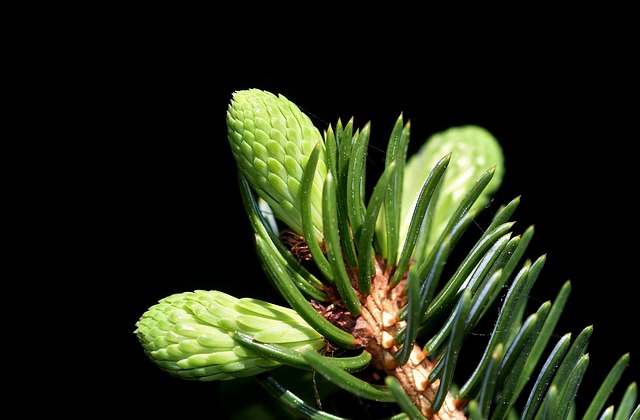
You can also consume spruce buds, as long as you’re sure the tree hasn’t been exposed to a systemic pesticide, industrial runoff, or car exhaust. Spruce buds are high in vitamin C, and have been used for tea, in syrup, and even to make a beer to sustain sailors over long voyages. You can also eat the young buds directly, if you’re into that.

Spruce trees are beautiful things native to the northern regions of the world. I can’t speak for all of them, but the ones I’ve known have been very nice to work with, even if that “work” is just sitting and exchanging energy for a time. If you don’t live in an area with native spruce trees, and you’d like to work with them, consider using spruce bud tea or syrup to experience some of their power.

Blog · life

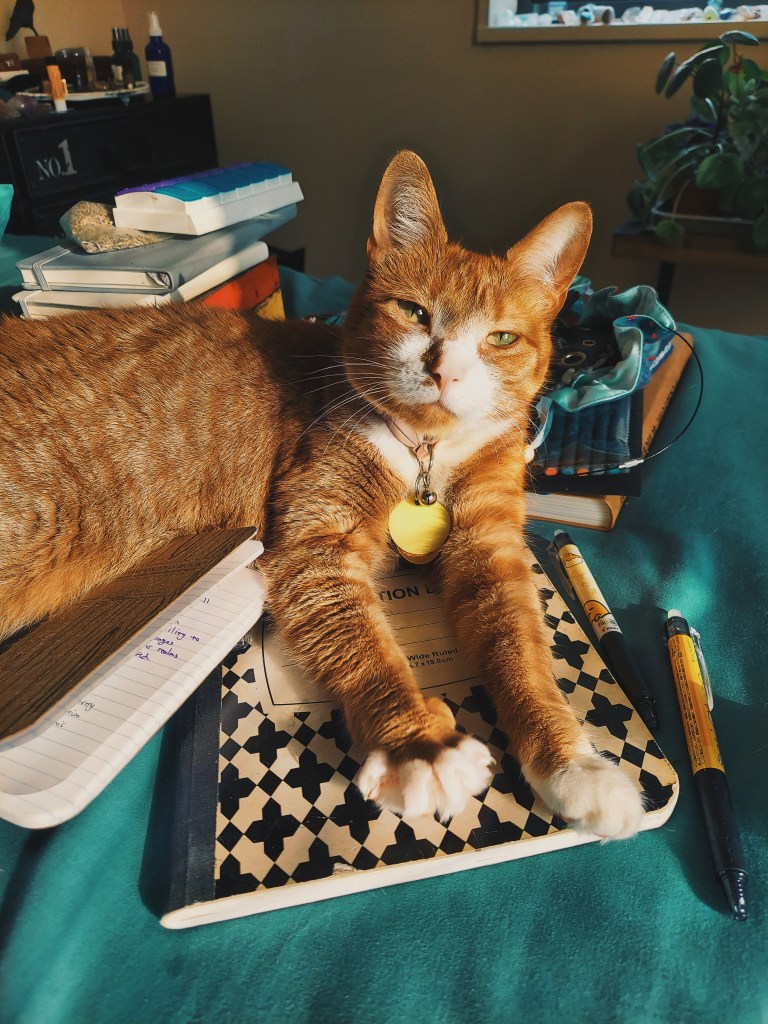
This window’s an entire mood, though.

I feel like I’ve kind of left this blog in the dark lately — as much as I keep intending to come back and write more, I am so damn tired still, my people.

Here’s the teal deer:

  • My partner and I moved. This place is endlessly delightful so far, our new space is pretty much perfect for us, but the whole process of pulling up stakes and going to a new spot is still pretty exhausting. And I say this as someone who enjoys moving!
  • I’m coping with a bothersome and seemingly long-term side effect of the vaccine I chose. I knew I was going to have a rough time, I’m dealing, I’m surrounded by wonderful help, but it’s taking a bit of getting used to. Either way, I will gladly take it over a ventilator or “long COVID” any day and twice on Sunday.
  • My partner recently lost someone very important to him. It’s not my place to go into someone else’s personal tragedy, but it has impacted our family. If you aren’t vaccinated, please don’t put it off. If you can’t be, please take every possible precaution to protect yourself and those around you.
  • I have new clients, and a much heavier workload now than I did before. The money’s awesome, and the work is interesting and right up my alley. It taps me out a lot, though, so by the time I’m done with paid writing I end up coming to my “New Post” page with my brain basically the consistency of custard.
  • I’ve been painting a lot. It’s easier on me, and doesn’t tax my brain, body, and creativity the same way that writing does. There’ll be lots of new prints in the shop, and plenty of originals too!

That’s pretty much it. There are a lot of new developments in my life, but most of them are okay. I’m immensely grateful to my guides, the spirits around me, and the Shining Ones that things have been as manageable as they have.

Did I mention how much I love this window? I do. I really do.

I hope you’re all doing well, too.

Also, as a PSA: Ivermectin does have uses beyond killing parasites. That said, the only information supporting ivermectin as a possible treatment for SARS-CoV-2 involved a) an experiment involving primate kidney cells in a petri dish, not a living human, and b) a cocktail of multiple other drugs, not ivermectin alone, c) in a hospital setting in areas where vaccines and first-line treatments were unavailable. It doesn’t have a studied, documented survival benefit for people with COVID-19, and its uses, dosage, and administration are still in the realm of the theoretical. Despite its promising results in vitro against Zika, HIV, dengue fever, or yellow fever, it hasn’t shown any actual clinical benefit against these viruses, either. Remember: In vitro isn’t the same as in vivo. In vitro studies are barely the first step to demonstrating that a medication actually does anything. A lot of things will kill or inhibit viruses in a petri dish, including bleach and flamethrowers. That doesn’t mean that they’ll do so in a living organism, or that the dosages required to make them do so won’t kill that organism.

There’s a theory that ivermectin might help COVID-19 by acting as an anti-inflammatory, but there are already much safer and already-tested anti-inflammatories on the market.

It’s also important to consider that ivermectin is made to kill parasites, which are eukaryotic organisms. Humans are eukaryotic, too. There are dangers in misusing antihelminthics that do not exist with, for example, antibiotics.

It’s still an interesting drug that does more than act as “horse dewormer.” Let’s not get it confused, though — the ivermectin paste sold at tack shops and Tractor Supply is horse dewormer. It’s compounded with binders, flavoring agents, and other inactive ingredients that very likely haven’t been tested for safety in humans. Those using it are inadvertently submitting themselves for a safety study in whether or not FDA-unapproved artificial apple flavoring causes stomach cancer.

Take it from someone who has absolutely been poor enough to have to resort to animal medication in the past — don’t. If you’re gung-ho about experimental treatments, agree to participate in a clinical trial. If you’re hoping for anti-inflammatory benefits from ivermectin, ask your doctor for a recommendation for an NSAID. If you have worms, send your doctor a stool sample. Until it shows an actual clinical benefit, not just a maybe-promising in vitro experiment, please skip the ivermectin. Look into the history of the people and organizations touting it as a cure. Be at least as skeptical about it as you would be about other COVID treatments or preventatives.

Blog · life · Plants and Herbs

Skyline Drive

I didn’t think much when I posted a picture of a cool rock. (It was columnar basalt, which always reminds me of some surreal, alien landscape out of Kenshi.)

“Hey,” a friend replied in not-those-exact words, “There’s a neat example of that not too far from us.”

“Oh sweet,” I approximately replied, “Where?”

And so that was how my partner and I ended up loaded with snacks and music, navigating our way down a gorgeous scenic drive through Shenandoah National Park. When I say scenic, I’m not messing around, either — it was gorgeous, the kind of beauty that pictures can’t really do justice.

Of course, we tried anyhow.

You know how when the landscape is uninterrupted for far enough, you can see the way the hills fade to blue in the distance, and the shadows of the clouds moving over them? I live for that.

We even stopped for a bit of a hike at Compton Gap, where the columnar basalt was. The entrance to the trail showed a picture of it, but we weren’t able to find the specimen itself — the trail branched, and I think we ended up taking the wrong fork. Not that I minded at all. The air was fresh and sweet, the trail was quiet save for the song of birds and bugs, and everything was a fresh, deep green so intense, it almost didn’t seem real.

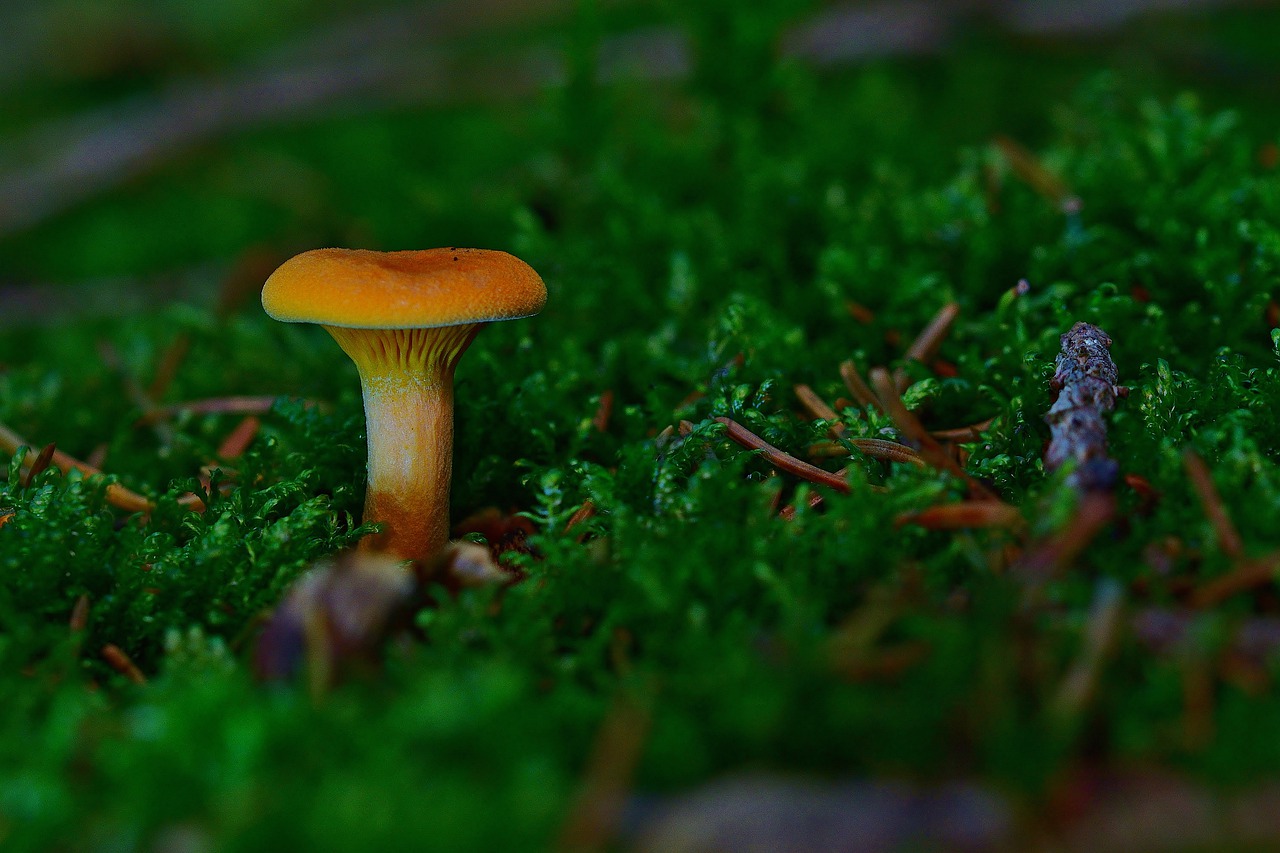
There was a small mushroom friend (a Russula, I think), bright orange trumpet creeper, and some very busy insect buddies — including a spicebush swallowtail and an American bumble bee!

The drive was long enough that we were in the midst of golden hour on our way back. The sun painted the clouds shades of pink and lavender, and the light took on that warm, comforting, well… golden tone. We paused at all of the overlooks to soak it up, relishing the warmth radiating from the granite rocks, and the cool, fresh breezes all around.

We’re planning on going back in the autumn, when the leaves start to change. It should be amazing!

life

I tried so hard, and got so far.

I grew my hair out.

Well, attempted to.

This actually met with some success — I got it to about 3″ long, though it seemed to reject any any all input from paltry things like combs, hair spray, or gravity. Instead, it insisted on sticking straight out from my head like some kind of mutant dandelion.

Alas, my dreams of eventually having hair that did as it was told were not to be. I felt like I found one (1), single, solitary, lone hair of a different texture, which put my brain into some kind of search-and-destroy fugue state. Long story short, I ended up staying up until 6 AM feeling through and plucking hairs until I found it. This resulted in a roughly quarter-sized bald spot, a bit of blood, and an appreciable amount of concern on my partner’s part. It wasn’t the baldness that bothered him, just the fact that I was on edge enough to end up unintentionally hurting myself like that.

Obsessive compulsive disorder: It’s not like they show on TV!

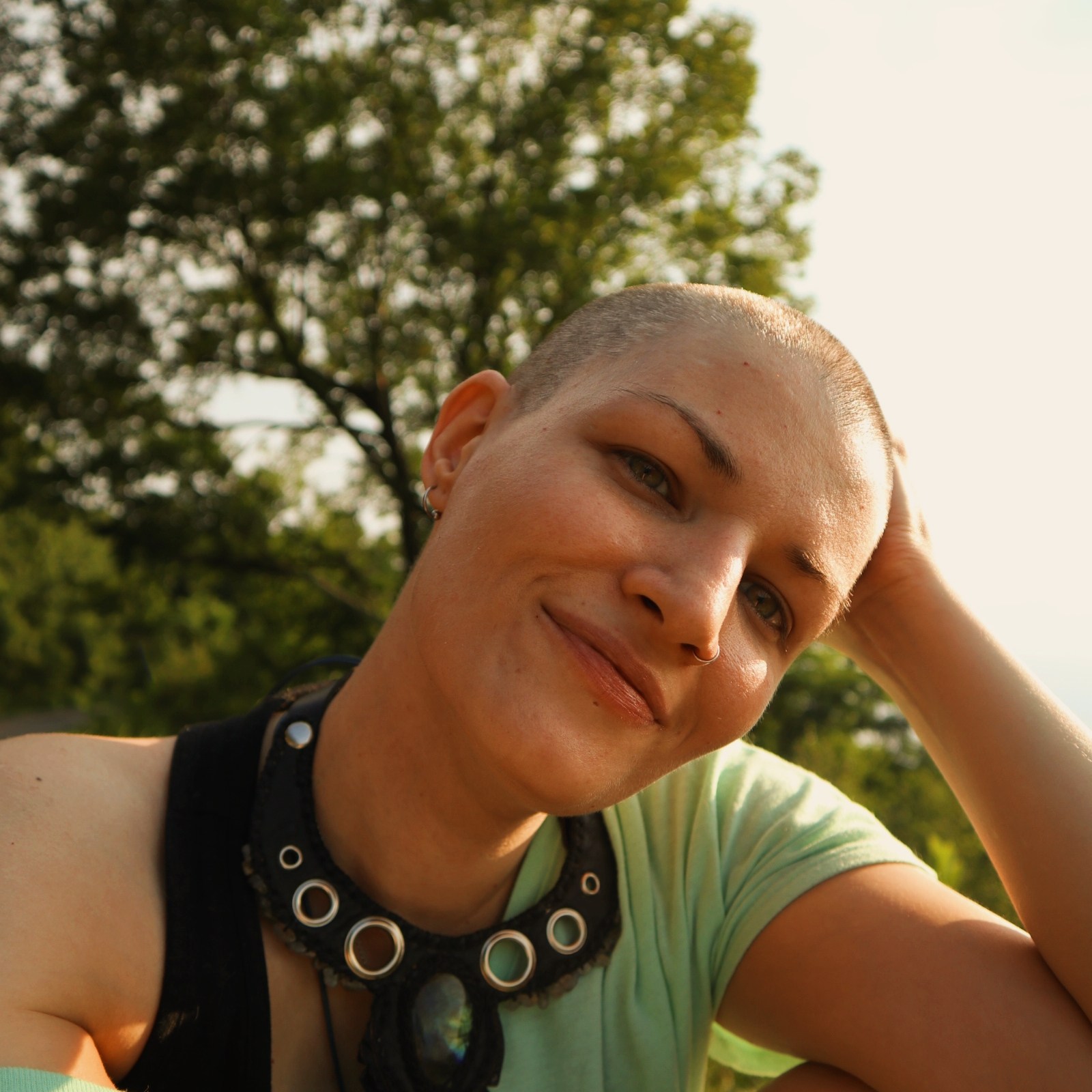
And so, in the grand tradition of getting rid of things that no longer serve me, I busted out the buzzer.

Honestly, I love having a buzzcut. The only reason I had attempted to grow my hair out was for a change of pace, and to see if I could. A buzz is the ultimate low-maintenance hairstyle, and it keeps me cool in the swampy DC heat. Plus it’s just less stressful — I can’t worry about how my hair looks or feels if I don’t have any. Unlike the patchy spots from trichotillomania, there’s no hiding a buzzcut, either. If you’ll pardon the expression, a shaved head dramatically limits the number of fucks I have to give.

Really, I don’t think this whole thing was triggered purely by the existence of one slightly different hair. I mean, I have a scar on my scalp that makes an entire chunk of my otherwise-straight mane grow in a 4c curl pattern. The real culprit?

Houses.

*organ music sting*

I love my apartment, but we’ve outgrown it. The longer we’ve lived here, the more we’ve discovered things that are rapidly turning into dealbreakers. If we owned the place, we could just change them. Alas, we do not.

And so, my partner and I struck out on the journey to homeownership. From what we’ve gathered so far, the process for first-time homeowners goes like this:

  1. Scope out real estate in the area in which you’d like to live.
  2. Call a housing counseling agency.
  3. Go through their first-time buyer educational program.
  4. Make sure you have enough money for a down payment and closing costs.
  5. No, not like that.

Stressful, yeah?

Both of us are almost pathologically afraid of debt. (My credit report looks like a 16 year old’s. I avoided student loans by drawing furry porn to pay my way through college.) The idea of buying more house than we can easily afford is, frankly, terrifying. So, short of trying to find a really good deal on a former meth lab/murder shack, we’re taking a detour.

We’re moving to a different apartment closer to the area we want to buy in. It’ll alleviate some of the pressure we feel living here, give us an opportunity to save more, and let us scope out the local culture and amenities.

Fortunately, since this’s much lower-stakes than house buying, I won’t pluck myself bald within a fortnight. Wish us luck!

life

Pfizer, round two: Fight!

Last month, I wrote about my first bout with the Pfizer COVID vaccine. Things went pretty well, dizziness aside. I anticipated that this time wouldn’t be quite so easy — if the first shot really worked, my immune system should’ve been primed to absolutely lose its shit when it encountered the second shot, right?

Right.

To recap: I have idiopathic intracranial hypertension. In addition to completely sucking in its own right at the best of times, it means that I can’t take a lot of medications, and need special consideration during many medical procedures. You’d be amazed at the sheer number of otherwise-totally-innocuous things that can raise your intracranial pressure. For most people, this isn’t a big deal. If you have intracranial hypertension, it could be the difference between life and death by stroke — or, at least, the difference between life and a sudden and very uncomfortable needle in the spine.

There’s not a lot of info about intracranial hypertension. Before the program discontinued, I actually signed myself up to be a research subject so I could help add to the limited bank of knowledge doctors and researchers have about the condition. That’s why I wanted to record how the vaccination process went for me — so other people with this condition, or who care for people with this condition, might be able to derive some comfort, know what to expect, and be adequately prepared.

Anyhow! The second shot sucked.

I didn’t experience any dizziness, which I thought was a bit odd. It was my primary side-effect the first time around, almost to the point where it was the only indicator the shot was really doing anything. This time, though, I had the whole enchilada: a confirmed fever (about 101°F/38.3°C), joint pain, body aches, insomnia, a very-definitely-vaccine-related headache, nausea, and even some itchy irritation in my lungs. Just like the first shot, the side effects appeared about twelve hours after getting it. Most of them lasted roughly two days.

The first night, I think I managed to sleep a total of forty five minutes, and every one of them was weird. At some point, I sent my partner a garbled and vaguely threatening message about manga, and said my joints felt like they “were made of legos.” Somehow, despite sleeping for less than an hour, I’m pretty sure I had at least six hours of wavering, half-awake dreams. I was so thirsty, I would’ve drunk a mug of ketchup if someone had handed me one.

All told, while things were very uncomfortable for a bit, I’m happy that my immune system reacted the way it did. It recognized the viral DNA, and mounted a defense against it. To be honest, it was at least as fascinating as it was deeply annoying, just knowing that this shot was deliberately triggering disease-fighting mechanisms as old as time. That’s a neat concept!

If you haven’t received your second shot yet and asked me about it, I’d probably give you the following advice:

  • Your side effects might be completely different this go-round. I expected to be dizzy, just more so. I wasn’t dizzy at all — instead, it seemed like I got all the side effects I didn’t have the first time.
  • You’re probably going to want to have the next day off.
  • Acetaminophen (Tylenol) doesn’t list increased intracranial pressure as a side effect. It’s also the drug recommended for dealing with vaccine-related fevers and aches. While I choose not to use any because I’m weird about that, it’s a potential option for other people in a similar position.
  • Have a lot of ginger tea prepped and refrigerated. It’ll help with the heat and nausea.
  • Drink a lot of liquids. They’ll probably tell you to do this when you get your shot.
  • Seriously, drink a lot of liquids. They’re not kidding.
  • Have some extra pillows to support any achy joints/sore arms/etc. during the night. I’m pretty sure my knee pillow was the only reason I got any sleep at all.
life

Intracranial Hypertension and the Pfizer Vaccine

Last Thursday, I received my first dose of the Pfizer vaccine. I chose Pfizer because one source I’d read (and have since forgotten) pointed out that it had a slightly lower instance of headache as a side effect when compared to Moderna. Since I have intracranial hypertension, I figured anything that made me less likely to be in brain-crushing pain was probably the way to go.

I haven’t seen a lot of resources related to how people with IH respond to the COVID vaccine, even in my support groups. This made me a little anxious and hesitant — at first, I wanted to wait to see what other people’s experiences were, even just anecdotally. When a few weeks passed and I hadn’t found any more information than I started with, I figured, screw it. Be the anecdote.

So here’s my totally subjective and not at all scientific experience with getting the Pfizer COVID vaccine.

First, let me begin by saying that I kind of saw this coming. Curious as I was, I did a small Lenormand reading so I could prepare myself. Let’s just say that Tree + Cross is not exactly a recipe for good times. Bummer.

I read advice suggesting to eat something before going in. My appointment was fairly early for my schedule, and I don’t often have much of an appetite most mornings. I drank a cup of soymilk and figured it was close enough.

The shot itself was fine. It didn’t even hurt. I felt slightly lightheaded afterward, which I attribute to anxiety. Since I have other allergies, I had to sit and wait for a half an hour of observation to make sure I didn’t react. Everything was fine.

I went home, still feeling about the same. Drank a can of Olipop (root beer, yessss) and had chicken pot pie for dinner. My arm was sore, and my stomach felt a bit upset. I was also getting itchy, though I didn’t appear to have a rash.

Twelve hours after the shot, however… Hoo boy.

I was dizzy. Very, very dizzy. I’d hoped that a lower instance of headache also correlated to a decreased risk of dizziness, but these hopes were misplaced. Fortunately, the dizziness didn’t seem tied to an increase in cerebrospinal fluid pressure. When my CSF pressure goes up, I get very definite visual signals. This time? Nada. Just dizzy. I also had a bit of a hollow ache in my cervical spine and the back of my head, but not enough to worry about.

I also experienced (more) brain fog. At one point, I forgot how to describe fevers. High? Low? I ended up telling my partner, “I think I have a fever, but not an important one.”

The day after was particularly rough, largely because it coincided with a big thunderstorm. Anyone who’s experienced IH can tell you how the weather impacts everything — we get headaches, neck aches, back aches, visual disturbances, dizziness, phantom smells, the works. Coupled with the post-vax feelings of general crappiness, and I had to strap in for a sucky night.

By Saturday, the headache and dizziness had receded into the background. I felt well enough to go out for a walk by Lake Accotink and a quick trip to Occoquan for Beltane supplies, but I definitely felt things more as the day wore on. Moving around a lot seemed to make the dizziness return, albeit not nearly as bad as the first day. I came home, took a nap, drank a lot of herbal tea, and felt better than evening. I had to put off my Beltane observance for a day, but I think everyone understood.

Ultimately, my experience wasn’t a bad one. For one, things could totally have been worse. Secondly, feeling gross is a sign that my immune system is reacting to the shot. That’s what’s supposed to happen. If I feel crappy, it means its doing something. A robust immune response feels bad, man. As long as I’m not experiencing side effects that aren’t related to my immune response, things are okay.

If I had to offer advice based on this experience, I’d say:

  • Schedule an appointment for when you’ll have some time off.
  • Have a snack before you go.
  • Eat lightly the rest of the day.
  • Stock up on cold ginger ale, ginger tea, peppermint, and other gentle nausea-fighting remedies.
  • Try to schedule your appointment so you can sleep through when the dizziness hits. For me, that took about twelve hours.
  • Have some ice packs ready to go. They’ll help a little with the dizziness and aches.
  • Keep an eye on the weather.
  • Maybe don’t do anything super physical for a few days afterward. Like, don’t plan to start a new gym routine or run any marathons or anything.
Uncategorized

PSA: This is not a water moccasin.

My partner and I were taking a walk through the park after work. The sun was still high in the sky — we had a few hours before sunset — and left bright, warm patches on the path. There was a brisk, chilly breeze that made me thankful for the mask over my mouth and nose. Everything looked like it’d been put through some kind of image filter: impossibly green and saturated blue, reflected in the million tiny ripples and waves in the creek.

It was really nice.

Unfortunately, the way back was less so. Right off the side of the path we saw a snake, flopped over on its back, sides pierced and streaked with blood. It was a recent kill — the body was still in one piece, and it hadn’t even attracted insects yet. Nearby, we could see some broken sticks, likewise spotted with blood.

I made it a slidey image for those who do not wish to see violence.

As much as this scene absolutely infuriated me, I can understand the desire to get venomous snakes away from places where people — especially children — often go. I do. The thing is, if a person takes it upon themselves to kill a snake, they also bear the responsibility of being able to identify that snake. If it isn’t venomous, it’s better to leave it alone and teach children to do the same.

Nature makes it surprisingly easy to identify dangerous things. Some harmless snakes (and caterpillars!) take advantage of this by disguising themselves — compare milk snakes and coral snakes, for example. Even better, this area only has two native venomous snake species.

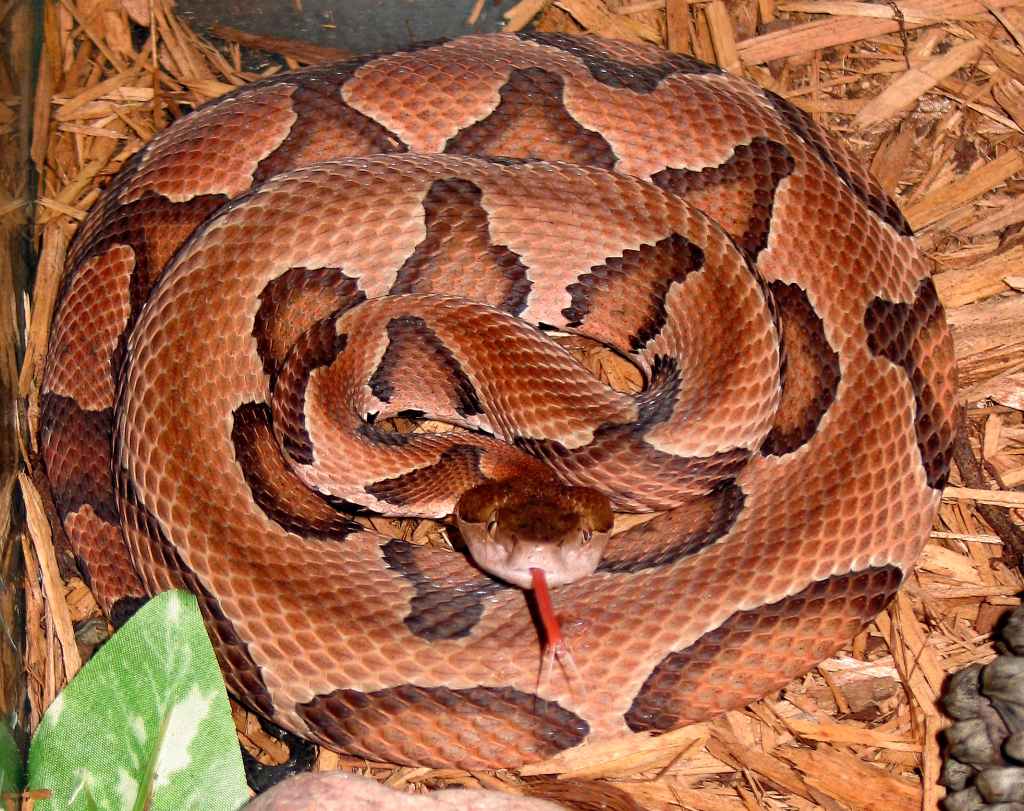
One is the copperhead (Agkistrodon contortrix). It’s easy to identify because it has the typical heart-shaped, chubby-cheeked head of a venomous snake, a coppery head, and markings shaped like Hershey’s kisses.

Not chocolatey or delicious. Public domain picture from the CDC.

The other is the timber rattlesnake (Crotalus horridus). This species has dark crossbands or chevron-like markings that overlay another color, and a dorsal stripe. Their base colors can be light or dark, and the variability in their coloration can make them tricky to identify. They do have rattles, which fortunately tend to clear things up quickly.

Most snakes don’t want to mess with people, because we’re too large to eat, we’re dangerous, and we’re an enormous waste of energy. They’ll put up an aggressive display, but this is always to get people to go away. The problem with copperheads is that they’re ambush predators that do a pretty good job of blending in. They tend to freeze when faced with a threat, relying on their natural camouflage to protect them. This means they often get stepped on, and may try to bite in self-defense.

(Roughly 4 out of 5 venomous snake bites are “dry bites,” meaning that no venom is injected.)

If you see a copperhead or timber rattlesnake, the safest thing you can do is give it a wide berth. It doesn’t want to attack you, it just doesn’t want to get stepped on.

The snake we saw was neither of those. Based on its coloration, markings, absence of a rattle, and the shape of its head, it was an eastern ratsnake. Not only is this species not venomous, it’s beneficial. As its name implies, its diet primarily consists of small rodents — meaning that it keeps rat populations in check. I love rats and think they make fabulous, intelligent, affectionate pets, but I also know that they’re less than welcome in cities. (If you’re in an urban or suburban area and don’t live in a rat-infested building, thank a ratsnake. Seriously.)

Ratsnakes and other black snakes are often confused for water moccasins, which is likely what caused this snake’s untimely death. There’s only one problem: Water moccasins don’t live here.

Like most wild animals, even non-venomous snakes can act aggressively if they feel threatened. The solution is to leave them alone. They don’t want to expend the effort to chase down and attack something they can’t eat, because that’s energy that they don’t get back. Reptiles can’t carry rabies, either. Some people may experience an allergic reaction to proteins in snake saliva, or develop an infection if the wound isn’t cleaned promptly, the same as a bite from any other animal.

For hikers that spend a lot of time in areas populated by snakes, I recommend learning to use a snake hook. Foldable or collapsible snake hooks are the most portable, and therefore likely the best option for people on a trail. While they aren’t as sturdy as solid snake hooks, the foldable snake hook you have with you beats the solid snake hook you left behind for being too cumbersome. If you can get a solid walking stick that doubles as a snake hook, even better!

In the event of a bite from a venomous snake, there is no substitute for the ER. Never attempt to suck venom out by mouth. Some places sell “venom extraction kits” that purport to safely remove snake venom, but these don’t actually work the way they claim to. In many cases, they just cause bruising and other tissue damage without removing venom, which may make the situation worse and complicate the healing process. There’s even some evidence to suggest that they may make more venom stay in the body by preventing it from oozing out of the wound.

The majority of snakes aren’t just harmless, they’re beneficial. They keep fast-breeding rodent populations in check, which likewise keeps rodent-borne diseases down. Before going into places where snakes live, familiarize yourself with their patterns, behavior, and habitat.

As for people who can’t see a snake without wanting to kill it? Stay home.

Blog

I’m rethinking my feelings about spring.

Hi, sorry, I was asleep for the past few months.

(This is not code language.)

So, spring marks the start of some really lovely weather here — the cherry trees blossom, the weather warms up, and the world seems to come alive with birdsong:

Unfortunately, it’s also the start of allergy season. Since my body interprets perfectly normal Earth conditions as some kind of hostile invading force, I have to take antihistamines every day. Not most normal ones, either. There’s exactly one type I can take, and it causes drowsiness. I’m on sertraline, which also causes drowsiness. I also have intracranial hypertension. One of the chief symptoms of which is tiredness. See where this is heading?

(It is heading to take a nap.)

It’s nice to be able to get out more. My partner and I have been spending more time outdoors as more people get vaccinated and the threat of COVID-19 becomes a little less dire. But man, sometimes I get to the end of a walk and want to curl up in the moss for two or three hours.

I’ve honestly really missed writing here. Between paid writing work and tiredness, it’s often hard to find the energy — but I’m trying.

Environment · Plants and Herbs

Aloeswood Folklore and Magical Properties

I always have a tough time writing this time of year — there’s just not much going on. This is especially true this year, for reasons I probably don’t have to elaborate on.

So, I did what I often do. Before I went to sleep, I asked for inspiration. Something to write about. Anything.

I had a dream of holding a piece of wood that wept golden tears. I held a flame to the raw, jagged edge of the wood, and it released a fragrance that I have trouble describing — woody, of course, but indescribably sweet, floral, and fruity. A mélange of beautiful scents that seemed to come together and complement each other in a way that even the most expert perfumer couldn’t hope to achieve. The dream was so vivid, I could almost feel the textures and scents still lingering in my senses when I woke up.

So today I’m gonna write a thing about aloeswood.

First, Aloeswood vs. Aloe

Aloeswood, also called agarwood, wood aloes, gharuwood, oud, or any number of other names, is not related to aloe vera. Aloe vera is a succulent in the Aloe genus. Aloeswood comes from trees of the Aquilaria genus. It also doesn’t have anything to do with agar, despite the name agarwood. Agar is the jelly stuff used in petri dishes, and is extracted from algae. (It might have sheep or horse’s blood added depending on what microorganisms are being cultured, but no Aquilaria.) Their similar names are just one of those quirks of etymology.

Aquilaria wood does not automatically equate to aloeswood. For the wood of an Aquilaria tree to become aloeswood, it needs to be injured somehow — usually by a boring beetle that digs into its roots or trunk. This injury allows the tree to become infected by Phialophora parasitica, a parasitic fungus. In response, the tree produces a fragrant resin and darker, denser wood. This dark, dense, resin-saturated wood is aloeswood.

Needless to say, there’s a lot of dominoes that have to fall perfectly in place for wood to become aloeswood. First, you need the right kind of tree. Then it needs to get all bit up by a beetle. Then it has to get infected. Then the infection has to be serious enough to warrant a large-scale immune response by the tree. Trees can’t produce aloeswood on a continuous basis, either — it comes from plants that are infected and dying.

It’s probably not hugely surprising that aloeswood is extremely rare. It’s also incredibly expensive. Part of this rarity is due to overharvesting (which is also not surprising), but habitat loss is also a contributing factor. Some varieties of aloeswood are illegal to sell because they come from endangered trees, which has increased the rarity — and therefore desirability — of the stuff that does make it to market.

Sometimes, you can find less expensive aloeswood. This is usually a product of deliberately injuring and infecting trees with fungus. It is also generally not as fragrant or desirable as the naturally-formed variety, and is given a different grade. Natural aloeswood is designated with a #1. Cultures aloeswood is designated with a #2.

Aloeswood Magical Uses and Folklore

Aloeswood is so precious, particular specimens have actually achieved fame. The Ranjatai is the most notable. Its full history is a bit long to get into here, but this particular piece of aloeswood has even shown up in popular culture. Two episodes of the anime series Mononoke (which is visually gorgeous and definitely worth watching) focus on it.

This incense is referred to in ancient Vedic texts for its physical and mental healing properties. Some Ayurvedic medicine for cough and difficulty breathing calls for blending agar powder with honey. When the wood is distilled into oil, the resulting hydrosol is an antacid. A tea made from the leaves — not the wood itself — is said to be very nutritious, relaxing, and helpful for managing blood sugar.

Aloeswood’s scent is said to be an aphrodisiac, and it is included in traditional sexual tonics. Burning a tiny bit on charcoal during sex is believed to improve performance for everyone involved.

In Islam, oud is traditional. It has also been used in Buddhist practices, Christian meditation, and Zoroastrian rituals. It is a spiritually uplifting aroma that releases negativity, soothes stress, raises vibrations, and brings healing.

In ancient Egyptian and Semitic practices, it was used to prepare bodies for burial.

Aloeswood is considered to be ruled by Mars or Jupiter, depending on whom you ask. In western magic practice, it’s generally held to be akin to a “power herb” (like many herbs of Jupiter) and used for boosting the power of any working in which it is used. In the Key of Solomon, is it used to summon good spirits.

Using Aloeswood

Considering its history and primary virtues, using aloeswood in any way that doesn’t allow the practitioner to experience its scent would be a waste. High-grade aloeswood can even release its fragrance through indirect heating, and doesn’t need to be burned completely.

If I were in possession of aloeswood, I wouldn’t add it to anything. As part of an incense burning ritual, I would place a small amount on charcoal, by itself, prior to burning any other incense. Only when the scent has dissipated would I burn anything else. This allows the aloeswood’s full potential to be released, and lets you take advantage of its space-clearing and energy-enhancing powers.

Some modern perfumes contain aloeswood, like Tom Ford’s Oud Wood. These could make a suitable scent for anointing during ritual or meditation.

Aloeswood is a rare, treasured thing, more valuable than gold. It has been regarded as sacred by virtually every civilization that experienced its fragrance — out of a sick, dying tree comes a precious, fragrant wood.

Like sandalwood, this sacred wood is in danger. Ethically-harvested, regulated sources of aloeswood command high prices, but they’re worth it. It would be wrong to obtain a sacred scent through environmentally harmful means. Just like crystals, bones, sandalwood, or any other magical ingredient, make sure your aloeswood comes from ethical sources.