
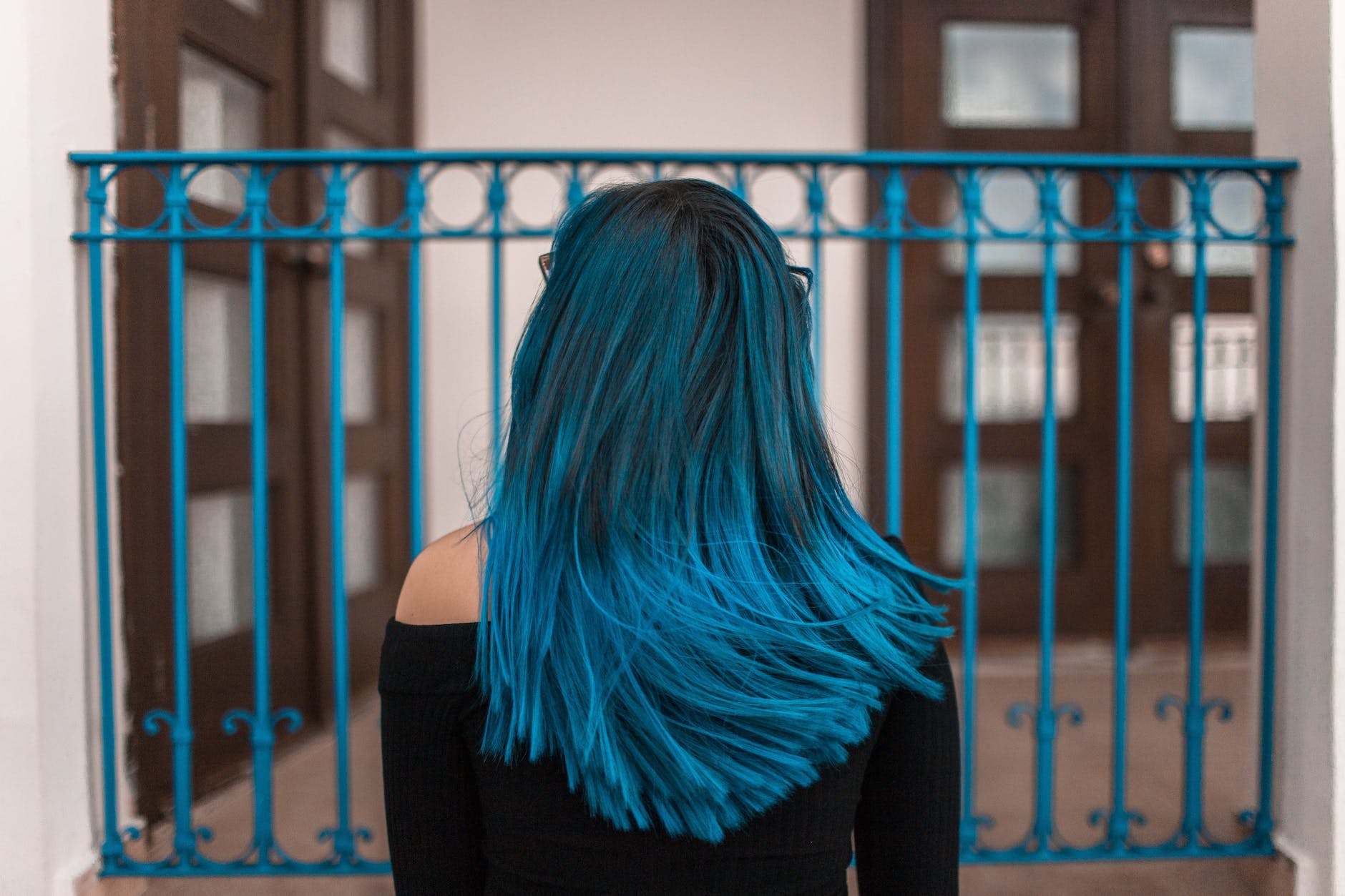
If you’ve followed me on Instagram, you probably know that I’ve had a shaved head for years at this point. A few months back, I decided to experiment with letting some of my hair regrow. This was mainly a test to see how much of my particular case of trichotillomania is an ingrained habit, versus a deeper issue. Half of my head is currently almost shoulder-length, while the other half is still shaved.
Recently, this all got me thinking — out of all of the things I’ve tried to beat this, which ones actually seemed to help? Trichotillomania is commonly regarded as a kind of obsessive-compulsive disorder. Believe it or not, pulling out the “right” hairs (usually ones that are of a different texture than the others) can give a dopamine rush, while failing to do so can cause feelings of anxiety and an intense compulsion to find and pull the offending hair. It’s not the kind of thing you can sort out just by switching shampoos.
With that said, here are the things I tried… and how well they measured up against my apparent desire to destroy my own head:
1. Tea tree shampoos and conditioners
These feel nice. They’re supposed to help with itching and give the scalp a cooled, refreshed feeling. This is all very temporary, however. A couple of hours after a wash and condition, the desire to pull is back.
2/10
2. Fidget toys and objects that mimic hair pulling
These might work for some, but they didn’t really do it for me. The problem here is that the feeling of needing to pluck my hair doesn’t really feel like it originates in my hands, so keeping them busy doesn’t get rid of the tickle in my scalp or the feeling that there’s a weird hair I need to get rid of.
A lot of the objects geared toward people with trichotillomania also aren’t refillable. You could end up going through multiple vinyl plucking toys per week, and what do you do with all of them afterward?
Fidget objects that mimic hair pulling or skin picking are also somewhat controversial. For some people, they can help redirect the behavior to an object. For others, they may just reinforce the undesirable picking/plucking.
1/10
3. Smoothing hair products
Ugh, no.
My thought was that, since the desire to pluck starts as a subtle tickling sensation on my scalp, which progresses to me finding a hair that’s grown in with an odd texture, smoothing products would help. This was not the case. In fact, they either didn’t make any difference at all, or made my hair feel oilier and itchier. No. No, thank you.
0/10
4. Essential oils
Like the tea tree oil shampoos and conditioners, these helped for brief periods. The oils I used were chiefly rosemary and cedar, both credited with helping to regrow hair and improve hair and scalp health in general. They smelled nice. They felt nice. They made my scalp feel better, but they didn’t last very long.
4/10
5. Head massagers
These things look a bit like metal spiders with a wooden handle. You hold the handle and use the spidery bit to massage your scalp. They feel nice, they help temporarily increase blood flow to that area, but they don’t really get rid of the urge to pull.
3/10
6. Hair serums
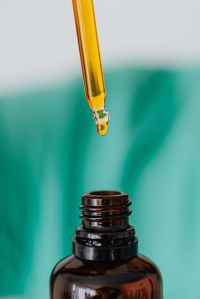
These are often either witch hazel based, or castor oil based. You find castor oil in formulas to moisturize the scalp and promote hair growth and witch hazel in ones for scalp health. Like other topical treatments mentioned here, these serums seemed to fall into one of two camps. They either 1) felt soothing for a couple of minutes, or 2) just made me feel stickier/greasier and itchier. The cooling sensation of some non-oil-based serums did seem to make a difference, but they needed to be reapplied frequently. The oil-based serums did seem to help regrow hair, but they were also a lot heavier. but weren’t soothing.
5/10
7. Gloves
Like a parent trying to keep a kid with chicken pox from scratching, I tried sticking gloves on my hands. “Maybe,” I thought, “if I just make my hands worse at pulling my hair, I’ll eventually stop.”
The trouble is that the things that it harder to pull at my hair also made it harder to do absolutely everything else. There was zero incentive to keep gloves on, and very easy to forget them somewhere after cooking, washing up, etc. While this solution might work for kids, or people who don’t need to perform a lot of hands-on tasks, it didn’t for me.
3/10
8. Self-hypnosis
People have used self-hypnosis to help with all kinds of addictions and bad habits in the past, so why not this? I mean, I have a vivid memory of being a tiny child, sitting on the couch while my mother watched a self-hypnosis video to quit smoking. (It didn’t work and I felt like I was in a Twilight Zone episode, but I still figured this was worth a shot.)
It didn’t work, and I felt like I was in a Twilight Zone episode. Other people have used self-hypnosis with success, but it definitely fell short for me here.
1/10
9. Anxiety medication
OCD is connected to anxiety, so anxiety medication is sometimes used to help relieve the negative feelings connected to the obsessive-compulsive behavior. Unfortunately, trichotillomania is notoriously difficult to medicate. While anxiety medication did help tremendously when it came to controlling my panic disorder, it didn’t really do much for the hair pulling.
3/10
10. Cognitive behavioral therapy
I’ve written before about how CBT was less than helpful for me. In this case, it failed at lessening my trichotillomania because it relies on reasoning. You can’t reason yourself out of something you didn’t reason yourself into.
While it might help some people deal with feelings of anxiety and shame surrounding the behavior or the effect that it has on their appearance, it didn’t seem to touch the root cause of trichotillomania itself.
0/10
10. Hair vitamins

What if the weird hairs and tickly feeling of needing to pull were the symptoms of some kind of weird deficiency? What if I just wasn’t growing healthy hair, and my scalp was irritated because of it? What if I just straight-up ran out of other things to try?
So, I tested out multiple brands of “hair vitamin.” These are multivitamin and mineral supplements that focus primarily on hair and skin health. If you aren’t experiencing a deficiency in any of the vitamins and minerals in them, however, they’re primarily a fast way to give yourself nausea and neon yellow urine. They did not, unfortunately, help suppress the urge to pick at my hair.
1/10
11. Shaving it off and letting it grow back

It takes a while to break a habit. I figured that, if I couldn’t suppress the desire to pull, I could get rid of my hair. Without weird hairs to pull out and reinforce the behavior (and addiction dynamic), maybe my brain could sort itself out.
I kept my hair buzzed for a few years. The trouble is, as soon as it’d start to grow back to a pluckable length, I was right back to hunting for weird hairs to yank out.
However, keeping my hair short and unpluckable did give my scalp a chance to recover, and that’s important.
5/10
12. Shaving it off, but strategically
Since shaving it completely and letting it grow back didn’t work the way I wanted to, I hit upon another potential solution: What if I just shaved the areas that I plucked the most? I wouldn’t have to commit to a full buzzcut if I didn’t want to, but I still wouldn’t be able to pull at the areas that I used the most.
Lo and behold, this finally seemed to work. Right now, I’ve got hair down to my shoulder on one side, and a full shave on the other. I make it work.
This might not be a great option for people who chiefly pluck from the crowns of their heads, but can definitely be a useful tool for those who pluck from the sides or bottom. For me, it’s been working very well.
9/10
Trichotillomania sucks, to be blunt. It’s hard to treat and can be a source of deep shame (particularly for women from cultures who highly value hair). It’s also not good for you, since it can damage your scalp and eventually cause your hair to stop growing back. There are a lot of options out there to help with the symptoms, but almost no effective permanent solutions. This is what worked and didn’t work for me, but you may find that your results are different. The important thing to remember here is that your hair doesn’t determine your worth as a person — whatever helps you live without anxiety, shame, and physical pain is worth pursuing, even if it isn’t a perfect solution to trichotillomania.
 Marble Crow