Plants and Herbs

Apple Folklore and Magical Properties

As I write this, the results of the US presidential election are being calculated. I’m trying to do anything other than be uselessly anxious about that all night, so I figured I’d write about a cozier topic to get my mind off of it.
Hence: Apples.

Apples are a traditional food for Samhain. This year, I had originally hoped to save at least an apple or two for us. I went out, covered about half of the young fruits with organza bags I had left over from gifts, and thought I was good to go. There were some for me, some for the local fauna, and everyone should’ve been fine. Then there was a spell of dry weather.
Anyhow, I got no apples, and also the squirrels stole all of my bags.

Then, at Mabon, we were working on masks and costumes for the Council of All Beings. Someone found a dropped googly eye, and I made a joke about them not having natural predators. That’s when it hit me — what if I put googly eyes on the apples?

“They might just attack the apples from the side without eyes,” a friend of mine said.

“I’d put them all around,” I explained. “Biblically accurate apples.”

Anyhow, as the time for various delightful apple dishes approaches (like my favorite, cornbread stuffing with sage, onions, and apples), I figured it’d be a good time to look at their folklore, mythology, and metaphysical aspects.

Jokes about Biblically accurate apples aside, the forbidden fruit of Christian mythology most likely wasn’t a member of Malus domestica. While apples are cultivated all over the world, they originate from Central Asia. The Bible also doesn’t mention the fruit by name — it’s just commonly depicted as an apple as a kind of visual shorthand.
(It’s also a fun bit of wordplay. In Latin, the worlds for both “an apple” and “an evil” are written as malum. Pronounced with a long a, it’s apple. With a short a, it’s evil.)

Photo of an apple and a knife on a blue cloth.
Photo by Ylanite Koppens on Pexels.com

In China, apples are also a source of a bit of wordplay. The funny thing is, it’s almost exactly the opposite to Latin. The word for apple (苹果) and peace (平安) both start with the same sound in Cantonese and Mandarin. As a result, apples are associated with peace.

Apples have a long and varied history in Germanic Paganism. The Norse goddess Iðunn is the keeper of golden apples that give the gods eternal youth. The Poetic Edda details eleven golden apples given to the jötunn Gerðr, as a gift from the god Freyr. In the Völsunga saga, the goddess Frigg sends King Rerir an apple as he prays for a child. Rerir’s wife eats the apple and conceives Völsung. This demonstrates a connection between apples, youth, fertility, and life.
Interestingly, the skald Thorbiorn Brúnarson also mentions “apples of Hel.” Scholar H.R. Ellis Davidson points out that this may indicate that apples were considered the “life-giving fruit of the other world.”

Three striped apples on a branch.
Photo by Julian Kirschner on Pexels.com

There is a similar connection between apples and the Otherworld in Celtic mythology, as well. Manannán mac Lir’s domain, Emhain Abhlach, translates to Isle of Apple Trees and is said to be a place where there is nothing but truth and disease and decay are absent. (Emhain Abhlach may also be where Avalon ultimately derives from.)
In the tale Echtra Cormaic, Manannán gives Cormac mac Airt gifts including a silver branch with apples of gold. This branch made magical music that was said to lull anyone suffering from sickness, injury, or childbirth to sleep.
Another tale tells of Connla, the son of Queen Aife and King Connaught. A fairy woman gives him an apple that, once eaten, becomes whole again. Infatuated with the fairy woman, Connla allows her to take him to the Otherworld where the fruit grows. The otherworldly apples give him everlasting youth, but for a great price: Connla can’t return to the land of the living.

Apples also have a lot of representation in Greek and Roman legend. The most infamous example is probably the Apple of Discord. When the Goddess of Strife, Eris, wasn’t invited to the wedding of Peleus and Thetis, she decided to start some trouble. She threw a golden apple inscribed “For the most beautiful” into the wedding party. Hera, Aphrodite, and Athena all claimed the prize, so Paris of Troy was tasked with selecting a winner. Each goddess offered him a bribe to choose her, but only Aphrodite’s bribe appealed to him — she’d give him the most beautiful woman in the world for a wife.
There was only one problem.
That woman was Helen of Sparta.
And she was married.
Whoops.
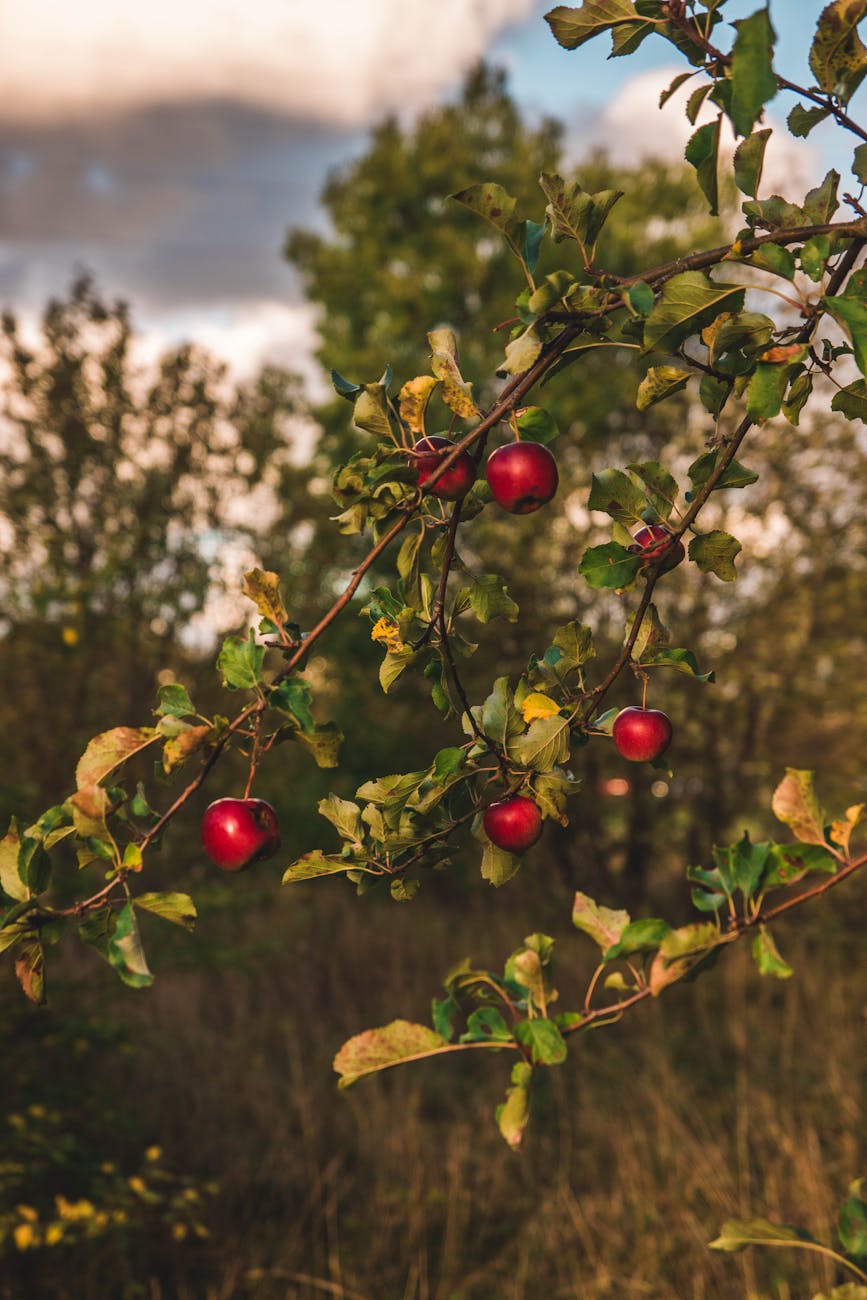
close up photography of apple tree
Photo by Kristina Paukshtite on Pexels.com

Apples were then considered sacred to Aphrodite and were even used as declarations of love. In the story of Atalanta and Hippomenes, Atalanta challenged all of her prospective suitors to races. If they could beat her, she’d marry them. (Since she was unbeatable, this seemed like a safe bet for her.) Hippomenes knew he’d never be able to outrun her, so he distracted her with three golden apples. With both his speed and his cunning, he barely managed to beat Atalanta and win her hand in marriage.
One of the labors of Hercules also involved retrieving golden apples from the Tree of Life in the Garden of the Hesperides, which creates another link between apples and life.

So, why are these fruits so deeply connected with life? Why do they come from the gods or Otherworld? Part of this might be because they literally came from afar — the ancestor of most of our modern apples came from Central Asia, so it would’ve traveled a great distance to reach the Mediterranean and Northern and Western Europe.
They may be deeply connected with life because they’re honestly pretty durable. They’ve got firm flesh and can last a long time when properly harvested and stored. That makes them an important staple in areas that experience cold winters — you could grow a bunch of apples, keep them in a cold, humid area with good air circulation, and they could last you all winter. Having a source of fresh fruit during the depths of winter could be the difference between life and death.
This may also be part of their connection with fertility. The fruit remains good in storage all through winter, when everything else withers. As a source of food when food is at its most scarce, those who have access to apples would likely experience better fertility than those who didn’t.

If you slice the fruit in half horizontally, the seeds form a pentagram.

Apple wood is considered a good material for tools for working with the fae and the Otherworld.

In modern European-based witchcraft, apples are used for fertility, healing, divination, wisdom, and knowledge. In some traditions, they are used for ancestor veneration and workings related to the dead.

They are said to be associated with the element of Water.

The simplest way to use these fruits is to eat or cook with them, first asking their help with whatever your goal or intention may be. Make your favorite sauce or pie recipe, tell each of the ingredients what you’d like them to do, thank them, and add them to your dish. Stir it clockwise with your dominant hand, serve, and enjoy.

Pies over wooden boards on the ground.
Photo by KATRIN BOLOVTSOVA on Pexels.com

You can also bury apples or place them on an ancestor altar as an offering.

Apples are frequently used for love divination. One old method involves peeling an apple in one continuous piece, then tossing the peel over your shoulder while saying, “Saint Simon and Saint Jude, on your I intrude, with this paring to discover, the first letter of my own true lover.” Look at the shape of the peel when it falls to see your true love’s initial.
Another love divination involves cutting an apple into nine equal pieces and eating them while mirror-gazing. Pierce the last piece with a knife and hold it over your shoulder, and an apparition of your true love may just appear in the mirror to take it.

When it comes to using apples for love magic, the blossoms are usually the best. (They have an amazing fragrance.) They’re seductive, but not overtly so — think of it as a sensual invitation rather than a command. They’re a great addition to a love-drawing bath, as well as baths for success, peace, and relaxation.

Apples aren’t just delicious; they have a lot of magical tradition behind them. They’re the food of the Otherworld, sustenance through the cold of winter, and a fruit of boundless fertility, youth, and eternal life.

animals · life

We found a bunch of little guys in the woods.

Saturday, part of the Druidry group took a walk in the woods. It was a silent, contemplative walking meditation, initially meant to observe and enjoy the first frost. However, since this area hasn’t really had a legit frost yet, it was mostly about observing the changes that autumn has brought.

It was a little disheartening to have such good weather. It should be cooler this time of year. I shouldn’t be comfortable in a tank top and a thin jacket in November. I found a woolly bear caterpillar the other day, and its stripes forecast a mild winter, too. Winter precipitation is so important for avoiding droughts later in the year, and I worry about it. There was a serious drought when I lived in California, and I don’t want to go through that again.

Still, part of a walking meditation is about being present. Not to worry about next summer, but to appreciate this autumn as it is. There hasn’t been much rain, but the early evening sky is beautiful, and the bare, dark branches and golden leaves make it look like stained glass. There’s the sweet smell of decomposing leaves, and their satisfying rustle and crunch underfoot. The leaves aren’t all brown yet, so the entire trail is carpeted in gold, deep crimson, and salmon pink. Some of the leaves are multicolored, like they’ve been ice-dyed in shades of red and green.

Also, we found a bunch of little guys.

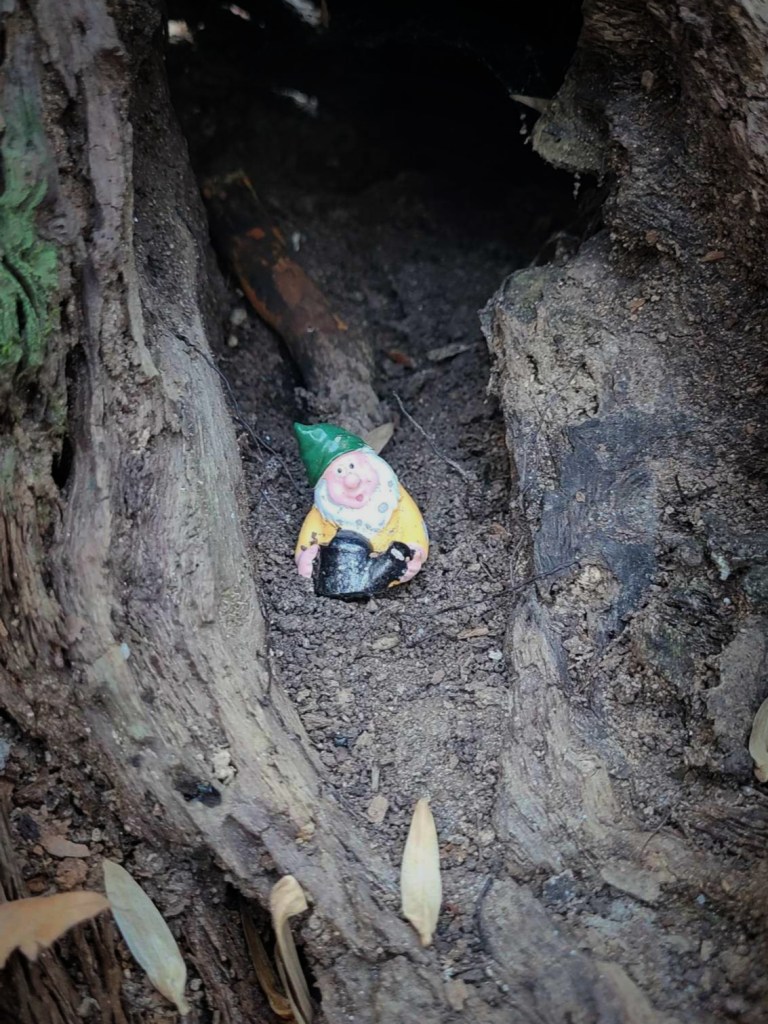
The first one, I found under a small pile of debris in a crevice of a fallen tree. (I always look in gaps and holes in trees — I found some really amazing eyelash mushrooms in one once, so now I check every time I see one.) It looked like a child’s discarded toy, covered in debris and with chipping paint. I felt bad about leaving him, so I picked him up.

A small gnome figuring with a yellow shirt, red pants, and blue hat, sitting in a crevice of a tree.

Then I found a broken bottle. I didn’t have gloves or a bag for trash picking, so I initially left it where it was… but I only made it about twenty feet before I felt too badly and had to go back for it. I piled the pieces into a sort of avant-garde trash sculpture and continued on, gnome in one hand and broken bottle pile in the other.

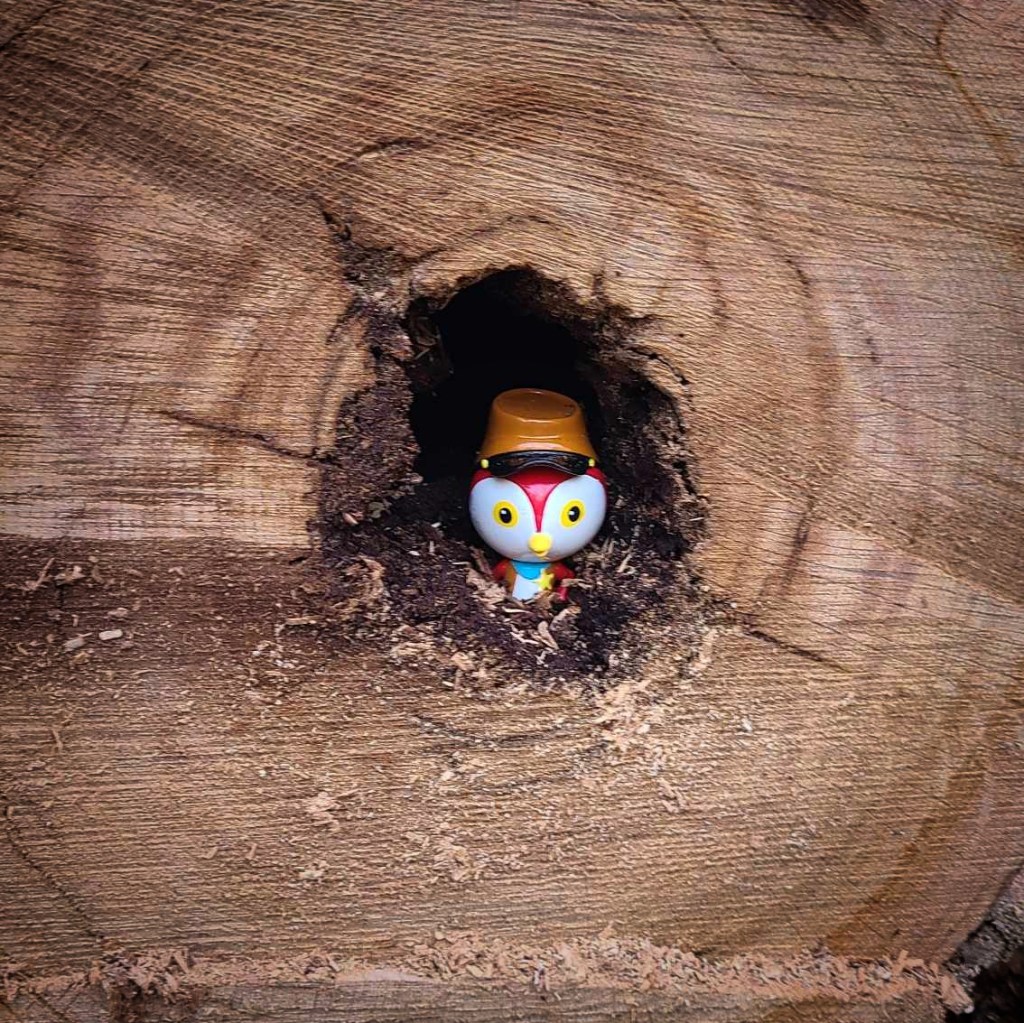
A little further onward, we found a red woodpecker with a sheriff’s badge. His placement was intentional and whimsical, so I left him where he was to be a surprise to another trail-goer. (And kept my eyes peeled for other little guys.)

A toy red woodpecker with a brown cap, blue bandanna, and yellow sheriff's badge., tucked into a hole in a felled tree.

Then there was a blue elephant. Since we were walking in silence, my Handsome Assistant and I have a series of hand gestures we use when we want to point out things to each other. Mushrooms, particularly interesting sticks, small blue elephants…

A goggle-eyed blue elephant keychain, tucked into a hole in a tree.

And then there was another gnome.

A toy gnome with a yellow shirt, green cap, and black watering can, sitting in a hole in the base of a tree stump.

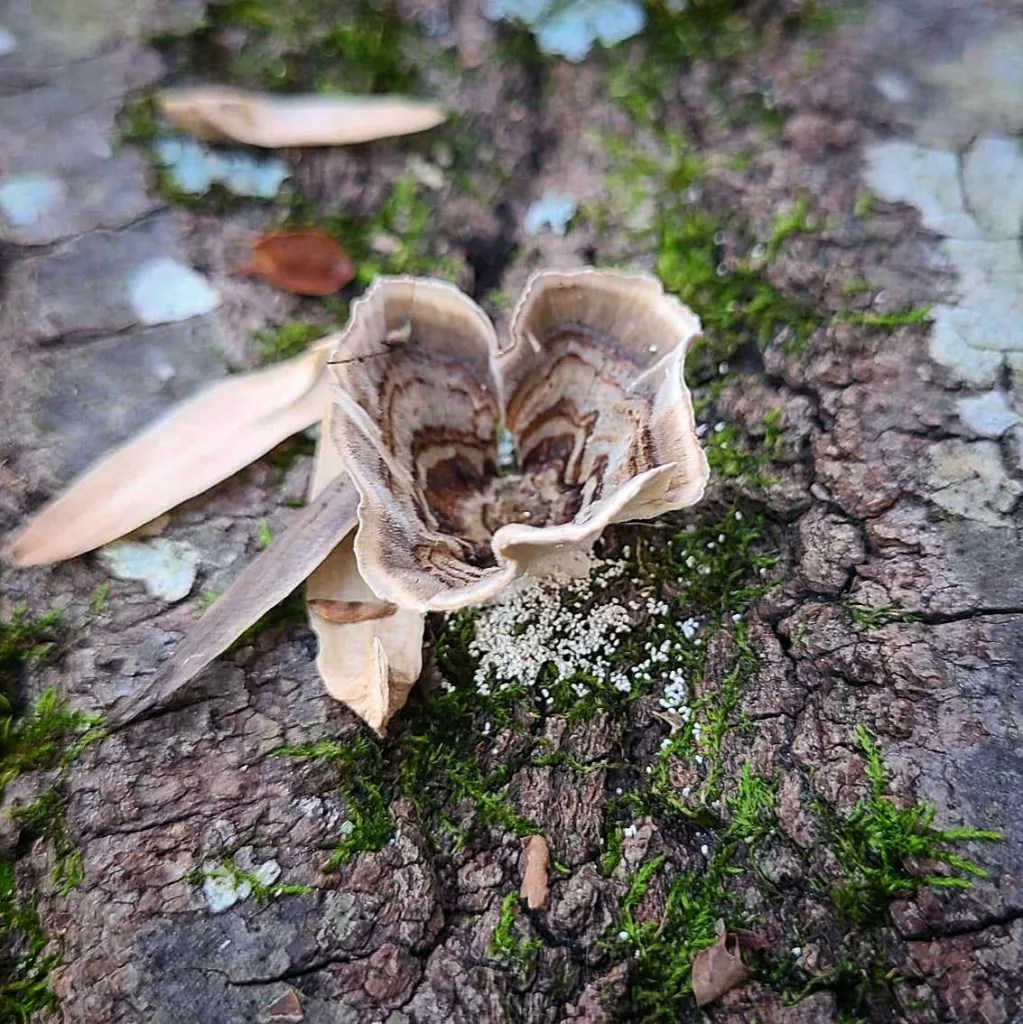
Despite the lack of rain, there were also loads of mushrooms. Striped turkey tails, unfolding like flower petals. Round puffballs like dollops of meringue. Clusters of other fungi, nestled amid fallen leaves, ferns, and small groundcover plants.

As we said our goodbyes to each other and left, we also spotted a chubbly little squirrel absolutely gruffling some gourds. Occasionally, he’d dart away from the sidewalk as people passed, but he’d always go back and resume snacking — thoroughly engrossed, thoroughly enjoying himself, absolutely without a fuck to give.

I could say I want to be more like this squirrel, but I don’t really. I don’t think I really can stop worrying about the future. I like to think this makes me conscientious, but maybe I’m just more anxious than I need to be. Either way, I hope the snow comes soon. In the meantime, I also hope all of the squirrels get their fill of gourds.

Plants and Herbs

Garlic Folklore and Magical Properties

Have you planted any garlic yet? I’ll admit it — I haven’t. The weather has been so weird here lately that I wasn’t sure if it was a great time to do it. (For real, we currently have one very lonely and confused violet in the front yard.)

Still, it’s good to get garlic in the ground in autumn in temperate areas. This ensures that it’ll be one of the first things to pop up in spring and will be mature and ready for harvest in summer. Since its garlic planting time, I figured it’d also be a good time to explore the magical and folkloric uses of garlic.

Garlic is probably best known as a way to repel vampires. Some believe that eating it can also help keep mosquitoes, ticks, and other blood suckers at bay. However, research has shown that it actually seems to attract leeches.

In China, garlic was one of the ways to repel the jiangshi (僵尸), a kind of undead, vampiric creature that moves primarily by hopping.

This herb is also well known for its medicinal properties. It has naturally occurring antibacterial, antifungal, and antioxidant compounds. It’s sometimes used to treat various types of infection, high blood pressure, arterial plaque formation, and as part of a general health tonic. However, taking medicinal quantities of it can be contraindicated in some instances, so it’s important to discuss using supplements with your doctor.
(True story: I used to habitually eat so much garlic that, when combined with some very necessary medications, I ended up with bleeding/bruising problems.
It was a truly bonkers amount of it, though.)

Garlic on white ceramic plate decorated with cats.
Photo by Cats Coming on Pexels.com

Garlic was very important in Egypt. This herb was a key part of the rations given to pyramid builders. When they threatened to abandon the project, they were given more garlic.
Pliny claimed that people in parts of Egypt invoked alliums as deities. He’s an outside source, so this should be viewed with some skepticism, but he also had a high opinion of garlic’s virtues. In Natural History, he offers a very long list of situations that call for it as a remedy.

Alexander Neckam, a 12th century English poet, theologian, and writer, recommended garlic as a remedy for the heat of the sun during hard labor.

In some traditions, garlic is considered an aphrodisiac and a charm for a happy wedding night. In India, it’s highly praised in the texts of the Ayurveda. However, those following ascetic paths avoid it, since it’s a food that increases sexual desire.
(Interestingly, some of the main causes of penile erectile dysfunction are high blood pressure, narrowed arteries, and high cholesterol. The clitoral bulbs also have erectile tissue. As an herb with cardiovascular benefits, the idea of garlic promoting/improving sexual desire and performance has credence.)

The Hindu texts Ashtanga Hridaya and Ashtanga Sangraha talk about how a rakshasa (essentially a demon) took a seat among the gods and received a sip of nectar from Vishnu. When Vishnu saw this, he cut off the demon’s head. The head fell to the ground, mouth open, spilling the nectar the demon had taken. From this spot, garlic sprang up. Since it comes from sacred nectar, it is a powerful remedy. However, since it also came from the mouth of a demon, some (especially Brahmin people) choose not to eat it.
On the other hand, the Bhavprakash nighantu, verse 217-220, says that garlic was created when Garuda stole the nectar of immortality from Indra. As he fled, some drops spilled on the soil and grew into garlic.
I think the most interesting aspect here is that, despite their very different origins and viewpoints about this plant, both of these stories acknowledge its sacred and powerful origins. In one, the plant is “defiled” by being tainted by the mouth of a demon. In the other, it isn’t. However, both see garlic as arising from a sacred source.

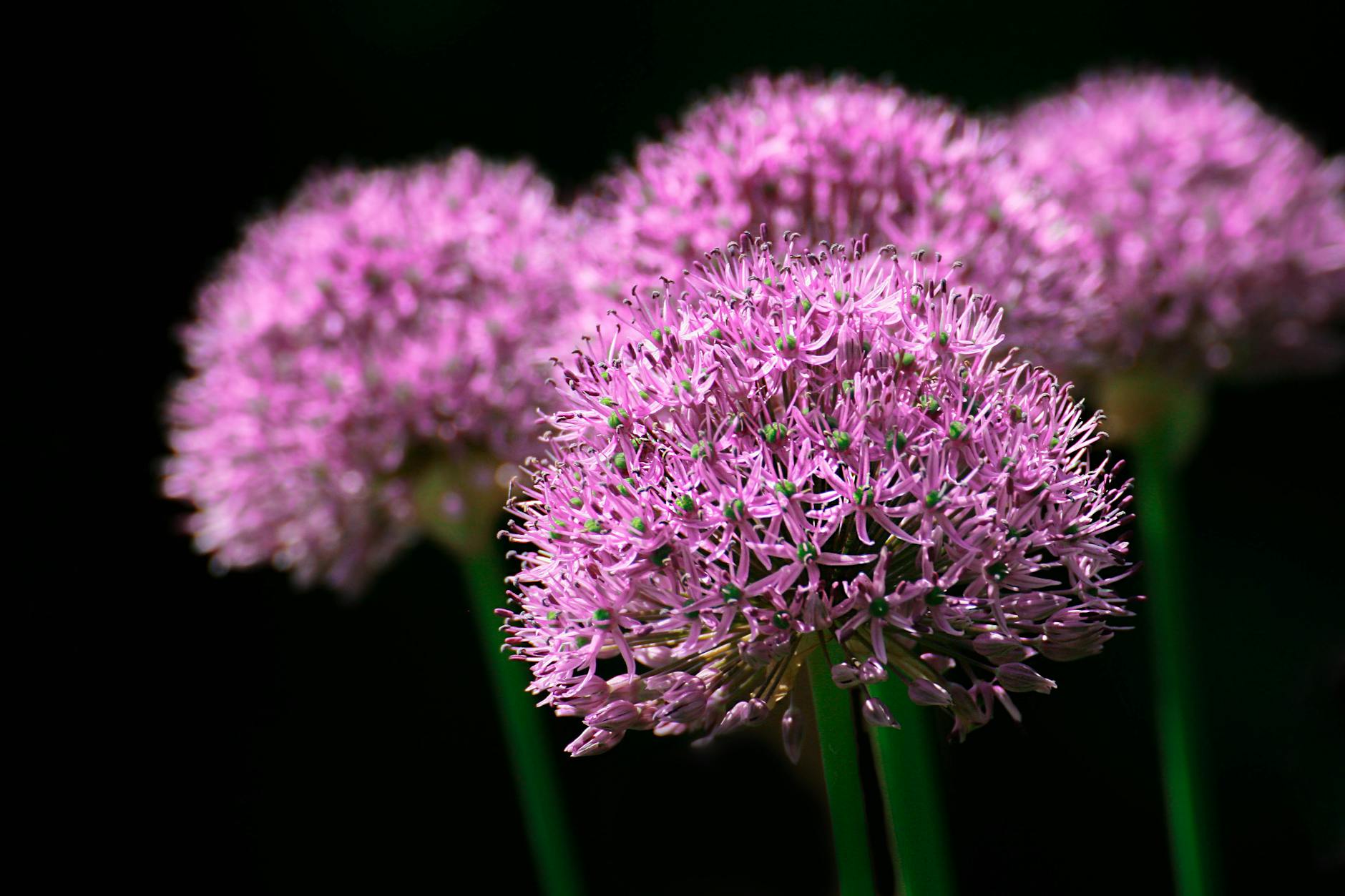
Selective focus photo of purple allium flowers.
Photo by Pixabay on Pexels.com

In The Schools’ Collection, an archival record of folk remedies, garlic is mentioned as a cure for multiple ailments. However, most of these are respiratory in nature. There are methods for treating tuberculosis, asthma, influenza, and the common cold, among many others. These range from boiling it in donkey’s milk, to keeping a piece in your shoe.
In China and Japan, it was used for digestive and intestinal complaints, as well as as an antiparasitic.

In central and western Europe, garlic is typically regarded as an herb for protection. The bulbs or flowers could be worn, hung in the home, or placed/rubbed on doors and windows to keep out malevolent spirits or repel the effects of the Evil Eye.

Though garlic is native to northeastern Iran and Central and South Asia, Roman armies were responsible for spreading the plants everywhere they went. Soldiers would eat it before battle, believing that it filled them with courage. They also planted it everywhere, so they’d always have access to it and that courage would be symbolically transferred to the battlefield.

In modern witchcraft, which is typically derived from European traditions, garlic is a protective and banishing herb.
In Hoodoo, which arose from the African diaspora, it is used to ward off evil and protect.

According to Culpepper, garlic is ruled by Mars. It’s considered an herb of Fire.

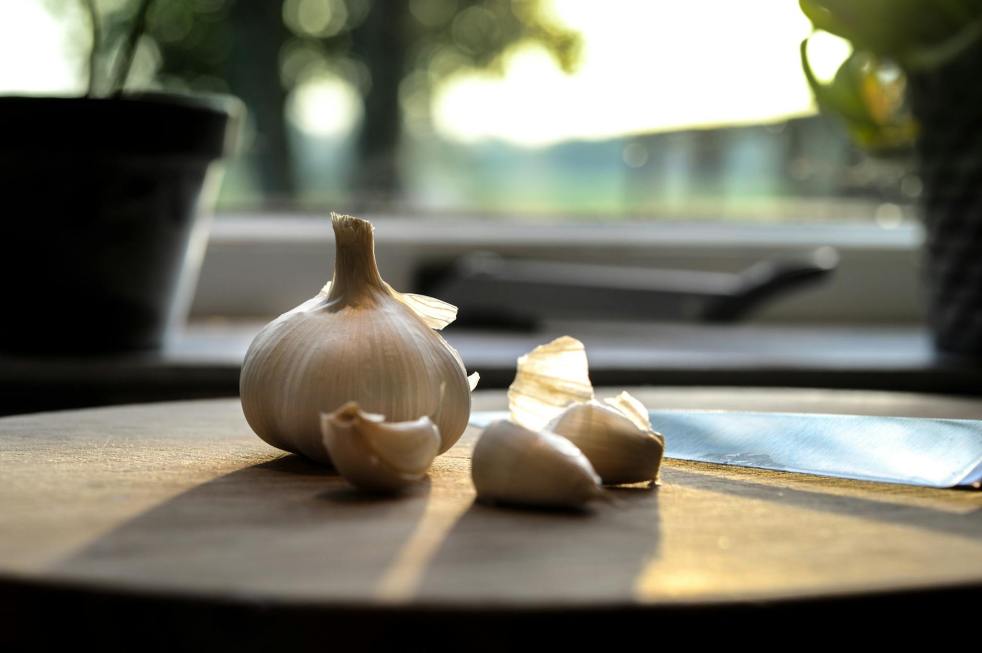
The easiest way to use garlic is in kitchen witchery. Before chopping, mashing, or otherwise adding it to foods, hold a clove in your dominant hand and ask the garlic to assist you. Include it in dishes when you need a little extra courage or protection from malevolent energies or envy.

You can also tap into garlic’s banishing properties with little more than a whole clove of it, a pot of soil, a slip of paper, and a windowsill. Write down the name of a bad habit that you wish to be rid of (nail biting, smoking, et cetera). Dig a small hole in the pot of soil, and place the slip of paper at the bottom. Plant the garlic clove over it and tend to it the way you would any other plant. As the garlic sprouts and grows, it’s said to help you overcome the habit.
This is a pretty old charm that uses both the herb’s reputation as a banishing and purification plant, and a bit of sympathetic magic. As the garlic grows, so, too, does the planter’s resolve and distance from their bad habit.

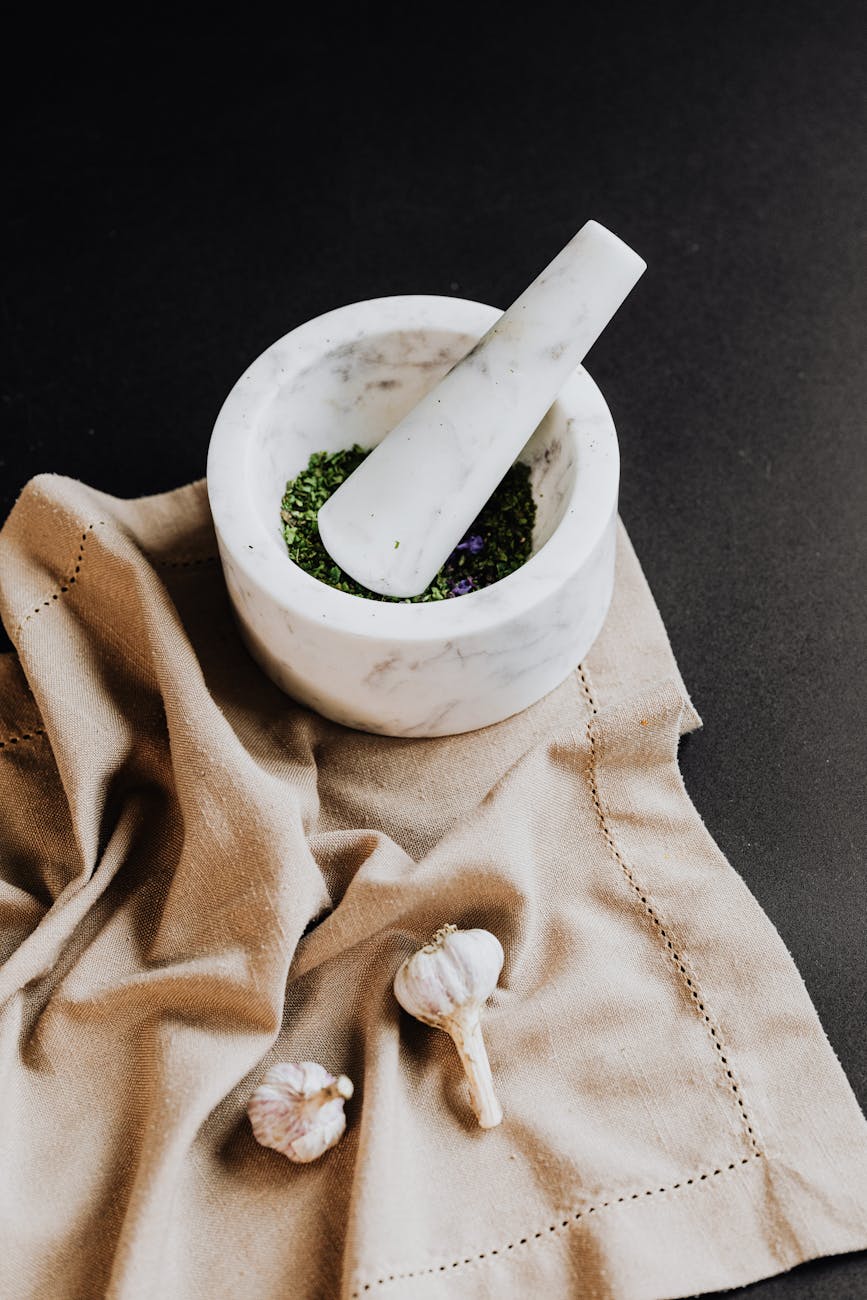
Close up shot of mortar and pestle near garlics.
Photo by Photo By: Kaboompics.com on Pexels.com

It’s also useful in salts or powders to protect an area. Mix dried, powdered garlic in black salt (or regular table salt) and sprinkle it in the corners of a room you wish to ward. If you want to use it outdoors, skip the salt and combine it with other protective herbs.
If you have pets, be aware that too much garlic can cause a condition called Heinz body hemolytic anemia. If you’re trying to ward a room that cats or dogs frequent, either skip the garlic and salt and go for pet-safe herbs or keep the animals out until you feel the herbs and salt have done their job and then sweep and vacuum the area thoroughly.

You can also decorate with garlic bulb wreaths/ropes, or even vases of the fresh flowers. Place them in any room you wish to keep clear of bad vibes. (Kitchens are typically considered the “heart” of a home, so they’re the perfect place for this. Also, you can pull off a fresh bulb to use whenever you need one).

Garlic is more than delicious — it’s healthful and powerfully protective. It’s also surprisingly easy to grow and harvest, making it a very useful addition to any magical or mundane home garden.

Plants and Herbs · Witchcraft

Wormwood Folklore and Magical Properties

Wormwood (Artemisia absinthum) is an African/Eurasian herb and relative of mugwort that’s widely grown in Canada and the US for its ornamental, medicinal, and even magical uses. It’s also a key ingredient in genuine absinthe, and is purportedly why the drink was rumored to cause hallucinations (but more on that in a bit). While the medicinal properties of A. absinthum have since been superseded by other herbs and pharmaceuticals, it’s still a powerful magical ingredient and a beautiful ornamental plant.

Wormwood is a very bitter herb, so much so that it’s been used over and over again in literature as a metaphor for bitterness. Shakespeare mentioned it. The Bible mentioned it.
This bitterness may, in part, be a source of its hepatoprotective properties: Bitter herbs are said to trigger the release of gastric juices, including bile from the liver, which helps sort of flush things out. This is why herbal digestifs and digestive bitters became a thing. There’s not a lot of peer-reviewed research on the subject, but bitters have a very long history of safe use as digestive aids.

Wormwood is also one of those magical plants that doubles as a pest repellent. This is something we see pop up over and over. There’s a logical progression from “herb that keeps disease-carrying pests away,” to “herb that keeps all unwanted influences at bay.” This makes wormwood valuable for protection and purification.
Interestingly, I have also seen wormwood listed as an ingredient for spirit calling. I don’t know if I’d use wormwood alone for this, but it certainly seems like it’d be a useful ingredient to make sure you’re calling the right spirits.
(I see parsley mentioned with wormwood pretty frequently, which is funny because it’s another weird one for spirit work. It is listed both as a spirit attractant and repellent, go figure.)

Leaves of a wormwood plant in close up photography.
Photo by Veronica on Pexels.com

This herb also plays a protective role in Slavic lore. The rusalka is an entity, said to be the spirit of a young woman who died by drowning, who is associated with life-giving rain… and, after the 19th century, with madness, death, and trickery.
Carrying wormwood was a way to guard against rusalki. They are said to target young men, so guys were told to carry a sprig of wormwood with them wherever they went. A rusalka would inevitably ask if they were carrying wormwood, or parsley. Say “wormwood,” and she’ll scream and try to flee, at which point you must throw the herb at her eyes. Say “parsley,” and she’ll ensnare, drown, and/or tickle you to death.
(As someone who is a) ticklish, b) hates it, and c) was frequently tickled against my will as a child, I think I’d rather drown.)

Wormwood is also connected to divination. It’s a relative of mugwort and has many similar properties. The two aren’t entirely interchangeable, but you can often substitute one for the other in certain situations. Wormwood’s focus seems to be more connected to protection and purification, while mugwort is more psychic and divinatory.
This herb is sometimes used in love magic, but not as an attractant — its main virtue seems to lie in love divination. There are multiple recipes and instructions for tying wormwood leaves to one’s forehead, placing them under a pillow, or brewing them with other herbs and honey and anointing oneself in order to get a vision of one’s future spouse.

Wormwood is tenuously connected to the Greek goddess Artemis (and Roman goddess Diana) through its name. However, the genus name Artemisia may be a reference to Artemisia II of Caria, and not Artemis directly.
In practice, this herb is considered to be ruled by Mars and Mercury, while Artemis and Diana are Lunar deities.

Wormwood is associated with Fire (which I can certainly see, as it’s a Mars-ruled herb that likes sunny spots and dry ground), but I’ve also seen it listed as an Air plant.

Contrary to popular depictions, absinthe wasn’t some kind of magic hallucination juice. Genuine absinthe does use wormwood, which contains the compound thujone. Thujone can, in concentrated form and large doses, cause hallucinations, convulsions, and death, but is present in absinthe in such tiny amounts that it doesn’t really do a whole lot. (Ironically, the compound absinthin is an anti-inflammatory and doesn’t have much to do with any of that.)
Absinthe’s hallucinatory effects have more to do with its high alcohol content (the stuff is about 50-75% ABV), the power of suggestion, and the fact that unscrupulous absinthe makers started adding copper salts as an artificial green coloring around the late 19th century.

Assorted liquor bottles.
Photo by Chris F on Pexels.com

During its heyday, absinthe was also much enjoyed by counterculture movements. This led to it being vilified by social conservatives, who had every motivation to hype up its “dangerous, toxic, and hallucinatory properties.”
So, what do you get when you mix an herb that might, potentially be toxic in specific circumstances, a buttload of alcohol, a bunch of bohemians, cheap absinthe full of poisonous colorants, and a bunch of social conservatives? You get a liquor with a legendary reputation as a toxic hallucinogen, and an unfair ban.

You can grow Artemisia absinthum fairly easily. Like mugwort, it grows in bright, dry, disturbed soil. It also self-seeds readily, so be prepared to either keep it confined to an area where it can’t do that (like a pot on a patio), deadhead the flowers, or keep up with rigorously removing new baby wormwoods as they pop up.

While wormwood isn’t as dangerous as popular depictions would have you think, it’s still a plant with toxic components that should be treated with respect.

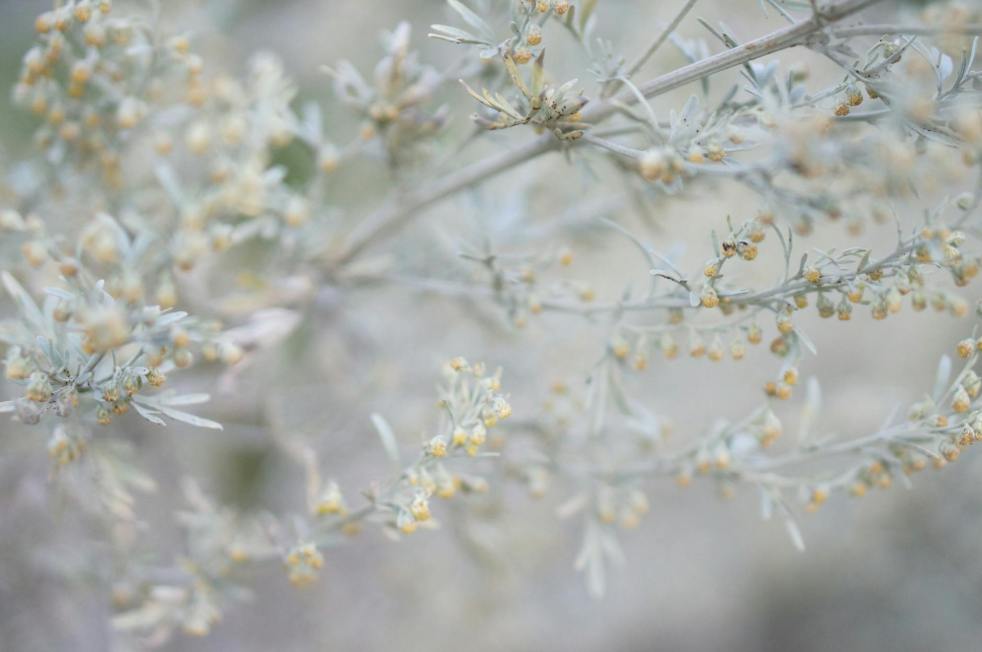
Close up of common wormwood.
Photo by Jeffry Surianto on Pexels.com

Wormwood has historically been used as a flavoring herb. If you want to use wormwood internally, do so under the guidance of a qualified herbalist. There are multiple health and pharmacological contraindications at play here, so it’s important to be careful.

Otherwise, dried wormwood makes a wonderful addition to protective bottles, sachets, and other charms. You can:

  • Grind it into a fine powder and sprinkle it on or around anything you wish to protect.
  • Burn it and waft the smoke around an object or area you wish to purify.
  • Keep some dried wormwood (perhaps with its cousin, mugwort) with divination tools to keep them cleansed and ready for use.
  • Soak it in water and asperge spaces, objects, or people to cleanse them.
  • Soak or steep it in water and use the resulting “tea” to wash your front and back doors for protection.
  • Grow wormwood near doors for protection against malevolent energies, entities, or bugs. (For real, a lot of what we consider pest insects really don’t seem to like it.)

These aren’t the only uses for this herb, of course, but they’re probably the ones most in wormwood’s wheelhouse. You can also use it for love divination or spirit work, but this may depend heavily on your specific tradition, techniques, and situation.

Wormwood is a beautiful, interesting, complex, and contradictory herb. It’s a poisonous healer, a repeller and attractor of spirits, and an invaluable addition to a magical herb collection.


life

Henna Headache: Why it happens, and how to stop it.

Do you ever experience the dreaded “henna headache?”

In my case, I switched to botanical hair color from synthetic hair color because I wanted something that’d cause less irritation, have fewer fumes, and have a lower risk of sensitization. Imagine my devastation when I realized that I experienced awful migraines from what was supposed to be “safe, natural” hair color. Online research wasn’t much help in the matter, either — some people reported consistently getting headaches from using henna, but there didn’t seem to be a solid reason people could really point a finger at.

After years of experience and experimentation with a variety of dye plants, I’ve managed to narrow henna headaches down to a few common triggers. If any of these seem to match with your experience, there are ways to mitigate your discomfort and still end up with beautiful hair.

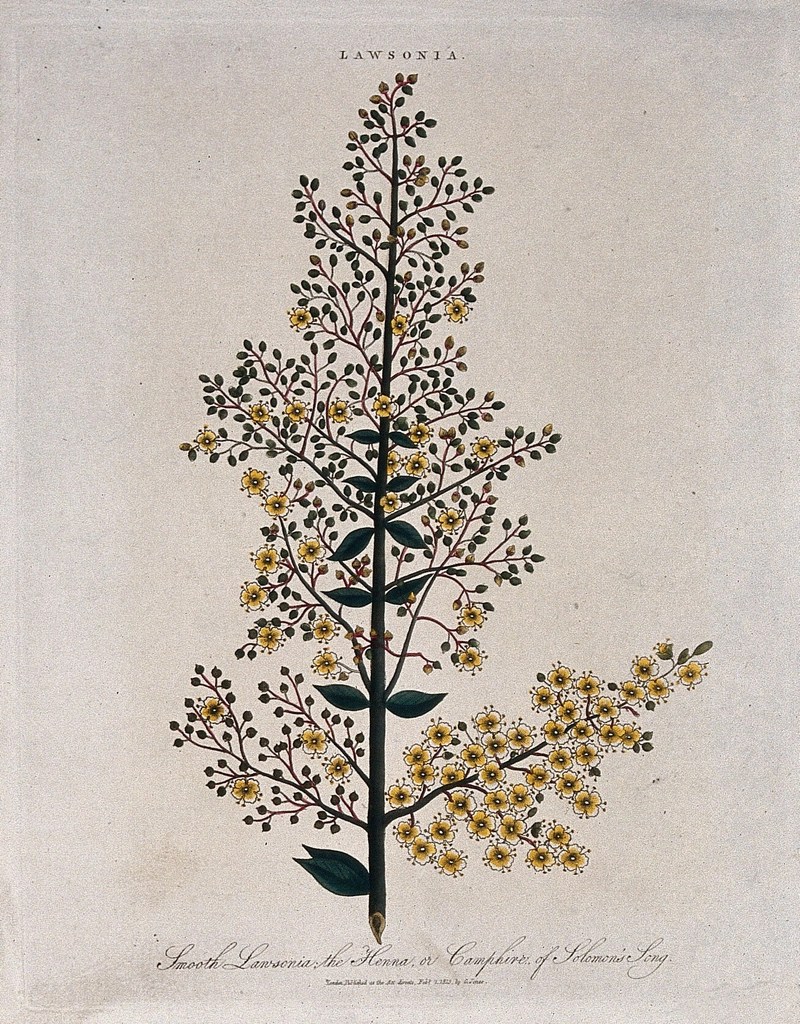
Henna plant (Lawsonia inermis): flowering

Not all henna is henna. A fair amount of the henna creams and dyes on the market are what’s called compound henna, which may be henna (Lawsonia inermis) based, but also contain other botanical dyes, metallic salts, and even synthetic colorants. Compound henna is why so many hair colorists don’t want to work on hair that’s been treated with henna — they have no way of knowing if you’ve used henna, or “henna.” The metallic salts in compound henna can react violently with some of the chemicals used in salon coloring. Some of the other components of compound henna can also cause headaches, just like synthetic colorants may.

If you’re using a henna dye that’s any color other than reddish orange, you may be using compound henna.

Even if a product isn’t compound henna, it may not be pure Lawsonia inermis. In my case, I was using a combination of pure powdered henna, and pure powdered indigo. This gave me a very nice, deep brown color. Seems safe and natural, right?

A lot of things are natural, like stonefish, nightshade berries, and manchineel fruit.

person holding a wet fabric with indigo dye
Photo by Teona Swift on Pexels.com

Indigo doesn’t start out looking the way one might assume. It’s not actually blue, for one — blue is actually the least common color in nature. It starts as a colorless precursor, indican. When this is soaked in water, it gets hydrolyzed and produces indoxyl. After the indoxyl ferments for several hours, it yields leucoindigo. When leucoindigo oxidizes, it becomes the blue indigo we’re all familiar with. Indigofera tinctoria and other members of the Indigofera genus are complex, fascinating plants with a long history of use in dyes, paints, and even medicine.

However, they also carry the potential for toxicity. If you’re using a mixture of henna and indigo powder under the assumption that it’s safe because it’s all-natural, but you’re still experiencing a henna headache every time you use it, indigo may be the culprit. In my specific case, switching from henna + indigo to just henna solved my problem entirely.

Flowering stems indigo plant (Indigofera tinctoria)

Does this mean you can’t wear your favorite dark-dyed jeans? Not at all. Just maybe avoid eating or drinking indigo or leaving it on your skin and hair for hours at a time. If you regularly work with or use indigo and find that you have a lot of otherwise-unexplained headaches, maybe try reducing your contact with it and see if it makes a difference.

Have you ever gotten a headache from going quickly from one temperature to another? You might notice it on a hot summer’s day, when going from the sunny outdoors to a chilly, air-conditioned building, or even in the depths of winter when you go from the heat to the bitter cold. Kicks my butt every time.

One headache remedy even involves using temperatures to normalize blood flow in your brain, by keeping your feet warm and your head cool.

If you apply henna paste, wrap it up, and keep your head warm while the color develops, you may inadvertently be exposing yourself to a headache trigger. Try keeping your feet warm as well, and maybe put a cool compress on your forehead.

Henna paste is pretty thick. If you have a lot of hair to color, covering every inch of it in henna paste can add a lot of weight to your poor head and neck. This extra weight can put more strain on your neck, leading to tension headaches. Unfortunately, I don’t have a good solution for you here — if at all possible, wrap your hair up in a way that’s evenly balanced, at least, to make it a bit easier to deal with. Remain sitting with your head resting comfortably on something for as long as you can. A gentle massage and a cold compress can help deal with inflammation in your neck

Henna paste dries out very easily. It’s why it needs to be kept wrapped up — it takes a long time for the color to develop well, and, if you leave it exposed to the air, the paste will dry out long before it has a chance to be effective. If your hair isn’t well wrapped up, the paste may start to dry and create a pulling sensation on your hair and scalp.

If you’ve ever worn a tight ponytail or tight set of braids and ended up with a sore, tender scalp or a headache by the end of the day, you know how much that pulling feeling can suck. In this case, the solution is pretty simple: Make sure your henna pasted hair is kept well covered and not allowed to dry out. (I use a waterproof shower cap.)

Say you’re using pure henna. You have short hair, so it’s not too much weight. You have it wrapped up well, but not too much, so it stays moist without making your head too hot. What else could it be?

Sometimes, it might be the way your hair’s wrapped up. If you use a cap that’s too tight, or wrap your hair in plastic too snugly, the pressure can cause some soreness and headaches. Experiment with different materials and wrapping techniques until you find one that’s both effective and comfortable for you.

Henna is a very safe ingredient. Pretty much all of the results that come up for “henna toxicity” deal with compound hennas — like black henna containing lead and PPD. Safety aside, allergies and sensitivities can happen to anyone, with pretty much anything.

If you’ve gone through the list and eliminated all of the other factors, it may just be that Lawsonia inermis doesn’t agree with you. You can try other botanical-based colorants, or consult with a professional colorist to find a gentle synthetic dye or a way to revert to your natural color.

It’s easy to assume that natural products are always safer and better than their synthetic alternatives, but that’s not always true. Just because a substance is (or claims to be) natural doesn’t mean that it doesn’t have the potential for harm. If you get a henna headache every time you color your hair, there may be a variety of root causes stemming from specific compounds within the dye, or even the coloring technique itself.

Plants and Herbs

Nepenthes (Pitcher Plant) Folklore and Magical Properties

Now that I’m home, I’ve been spending the day unpacking, straightening up the house, taking care of my cats and plants, and eating pho. It didn’t take me long to notice some new… uh, additions.

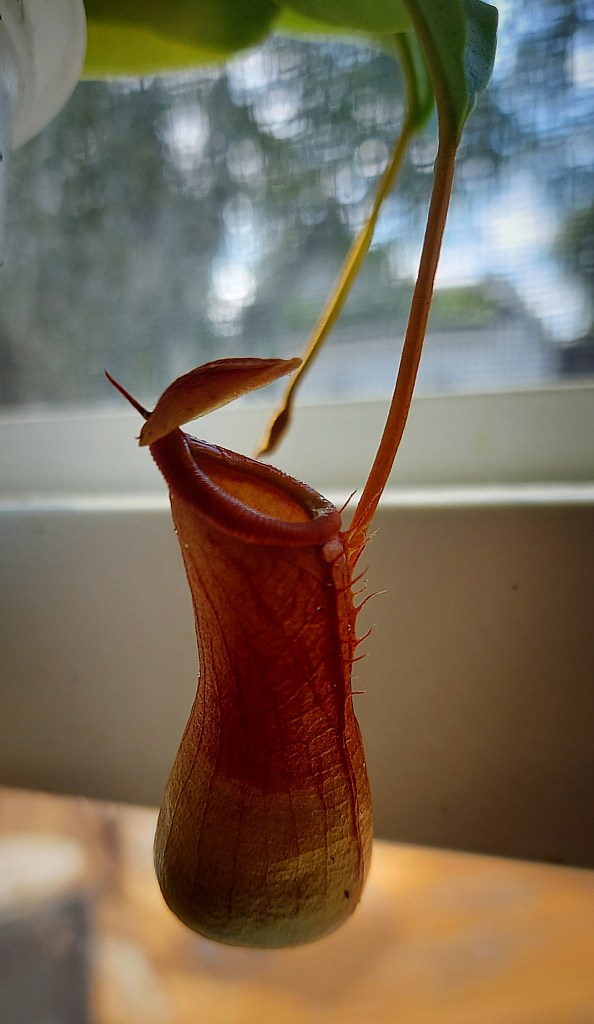
A close-up of an N. ventrata pitcher.
Audrey’s newest pitcher.

This is Audrey. Every so often, especially if she’s gotten plenty of humidity, she puts out gorgeous little pitchers. I reward her by hand-feeding her dried black soldier fly larvae.

A close-up of another pitcher on the same plant.
Another pitcher on the opposite side.

Since she seemed to be in particularly good humor when I came home, I thought now might be a good time to take a deeper look at the folklore and magical properties of the beautiful, unique, profoundly strange Nepenthes.

The plant genus Nepenthes is named for nepenthe, an ancient medicine said to heal sorrow and induce forgetfulness. It’s mentioned in ancient Greek literature, and is typically depicted as originating in Egypt.
It also appears in the Edgar Allan Poe poem “The Raven”:

Respite—respite and nepenthe, from thy memories of Lenore;
Quaff, oh quaff this kind nepenthe and forget this lost Lenore!”
Quoth the Raven, “Nevermore.”

An image of an open pitcher plant, displaying the "lid," slender neck, and round belly of the pitcher.
Photo by Phoebeud83dudc1f on Pexels.com

Nepenthes consists of numerous species. In garden centers and plant nurseries, you’re most likely to encounter N. x ventrata — a hybrid of a N. ventricosa and N. alata.

Pitcher plants prey on insects by providing sugar and water to lure them into their pitchers. Their leaves have nectaries — special glands that secrete sweet nectar — and their pitchers contain water and digestive enzymes. Insects are attracted to the presence of food and water, and end up caught in the pitchers where they eventually drown and get digested.
(They’re pretty much Hotel California for bugs.)

However, not all pitcher plants feed on insects. N. lowii, a species native to Borneo, is known for its… rather unique shape.
Toilets.
The pitchers look like toilets.
Not only do they look like toilets, they are toilets.
N. lowii has an interesting relationship with a local shrew species. As with insects, the shrews are attracted to the pitcher plant’s nectar. While they’re there, they generally end up crapping directly into the conveniently toilet-shaped pitchers. The shrews get free nectar, and N. lowii gets free nutrient rich shrew leavings.

A close up of the mouth of N. bicalcarata, showing the pitcher's "lid" and two pointy "teeth."
Nepenthes bicalcarata, known for its two pointy “teeth.” It has a mutualistic relationship with a species of carpenter ant that makes nests in the plant’s tendrils. The plant benefits by receiving nutrients in the form of dead ants and ant feces. Photo by Yufan Jiang on Pexels.com

Other pitcher plants have symbiotic relationships with frogs. The frogs hang out in the pitchers, just under their “lids.” They eat insects that are attracted to the plant, and, as with the shrews, leave their nutritious little doots behind. They help dispose of pest insects that are more likely to harm the pitcher plant than to feed it, and the plant still gets a boost of nutrients.

One other pitcher plant species, N. rajah, has pitchers large enough to snare rats. It’s a particularly visually striking species.

In pitcher plants’ native areas, they’re often used as a source of clean water. When the pitchers initially form, they come complete with a little bit of water in their bellies to dilute the plant’s digestive enzymes to a usable level. People will sometimes crack open a fresh pitcher and drink the water inside. The trick is to use a very fresh, young pitcher — once the pitcher has opened itself, and its “lid” is raised, it may be contaminated and is no longer safe to drink.

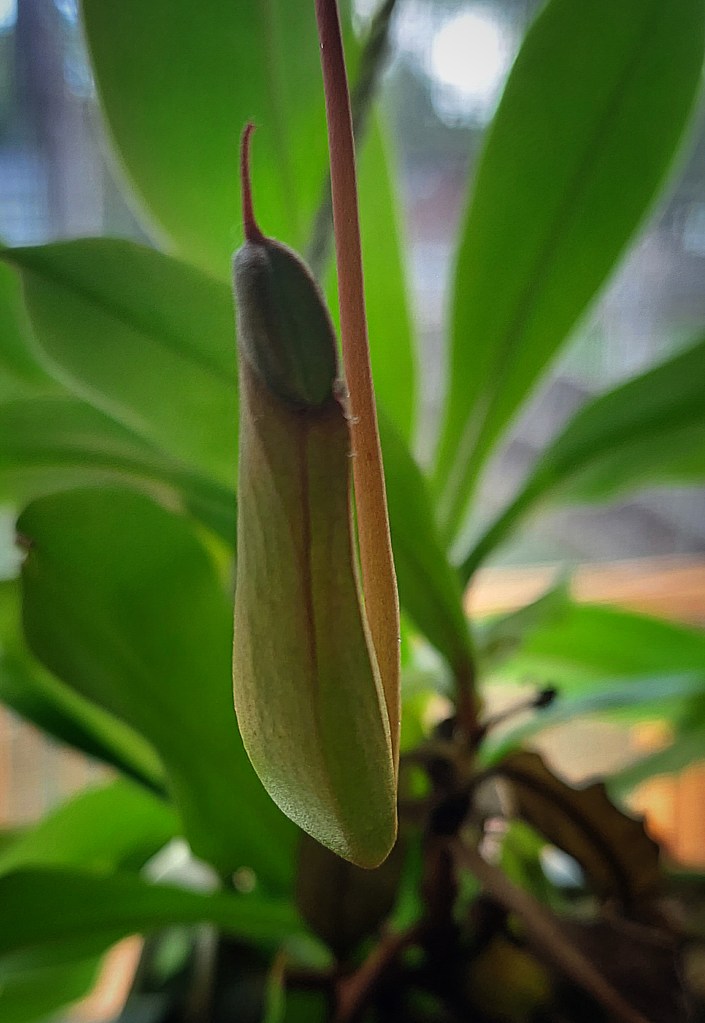
A close up of a young pitcher, with its "lid" still sealed.
This is an earlier image of the first pitcher pictured in this post. Notice how it’s greener, slimmer, and its “lid” hasn’t opened yet. Even in this state, it has a generous amount of liquid in the belly of the pitcher. At this stage, the pitcher hasn’t yet come into contact with any insects.

Interestingly, this water is more than just a refreshing drink on a hot day. It’s also used as medicine. Nepenthes water has been used to treat digestive issues and constipation (which makes sense, considering it’s just water and stuff that helps digest things), as well as urinary tract infections.
An extract of the plant is also used to prevent scar formation.

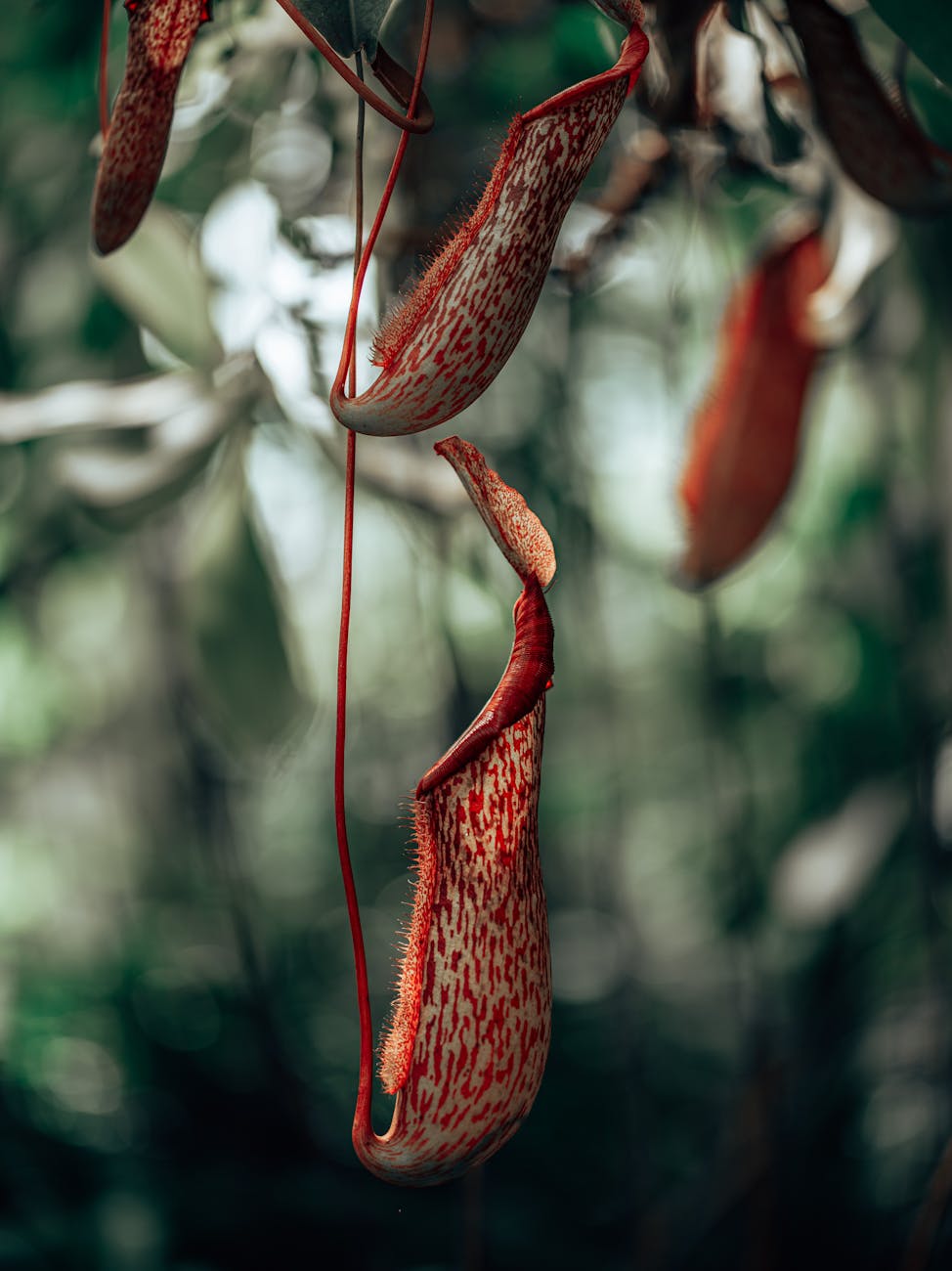
A view of particularly striking Nepenthes pitchers, with bright red hairs and streaks on their otherwise-green pitchers.
Photo by Egor Komarov on Pexels.com

There aren’t a whole lot of resources for those looking for typical European-based magical uses for Nepenthes species. From my own experience, these plants seem to be very useful for attraction. Just be warned — while they’re effective, they aren’t quite as docile and well-intentioned as something like rose or lavender. (All things considered, this probably isn’t too surprising for a carnivorous plant!)
They’re also helpful for defense and healing.
Lastly, Considering the enormous crossover between “plants that repel or get rid of pests” and “plants historically used for purification,” it may be worth experimenting with pitcher plants as a potential purification herb.

Elementally, pitcher plants are associated with Water.

If you have access to fresh pitchers, you can add the water to a ritual bath or window, door, and floor wash for attraction. Just make sure that these are fresh, unopened pitchers. You really don’t want to be dumping partially decayed bug soup into your bath.

If you don’t have access to them, then you can also use dried pitchers. Like any other part of a plant, they don’t last forever — the pitchers have a lifespan and naturally dry up and fall off after a while. Just make sure that whatever pitchers you use are cleaned up, free of insect parts, and completely dried.

Dried pitchers are suitable for container magic like jars, sachets, or spell bottles. They also look really cool when they’re pressed in a book or between glass.

I love carnivorous plants, but it’s not always easy to find resources for using them in western magic. Since I’ve begun keeping them and developing a close relationship with them, I’ve found that they have a wonderful variety of potential magical (and even medicinal) uses. Pitcher plants don’t just help keep homes bug-free, they’re also incredibly interesting and versatile friends to have!

Plants and Herbs

Lemon Verbena Folklore and Magical Properties

I wrote a post about vervain a while ago, which I chose to limit to Verbena officinalis and V. hastata. Today, I wanted to revisit this subject with a post on a vervain relative: Aloysia citrodora, lemon verbena.

Lemon verbena is native to South America, and was introduced to Europe in the 17th century. It’s a member of family Verbenaceae with a bright, citrusy odor (hence it’s name, citrodora). It has a long history of use in cooking and, while it was only introduced to Europe fairly recently, it has made a name for itself in various systems of European-based folk and ceremonial magic.

Within its native range, lemon verbena seems to be primarily used as a medicinal and food ingredient.

Medicinally, lemon verbena appears to boost sleep quality. Lemon verbena is also used as a digestive aid, and has demonstrated very interesting antioxidant and antitumor properties. There are mixed messages about its toxicity — while it’s generally regarded as safe for humans, some sources say that it’s toxic to animals.

Historically, lemon verbena was used to treat gout, as a diuretic, and to treat inflammation of the spleen or liver.

A blend of dried herbs in a teacup, against a white background scattered with more herbs.
Photo by lil artsy on Pexels.com

Putting a sachet of lemon verbena under one’s pillow is said to keep away bad dreams.

Lemon verbena is a pretty traditional luck herb. It’s said to convert misfortune to good luck, and is useful for cleansing, protecting, uncrossing, love magic, and attracting what you want. It also acts as a strengthening herb, meaning that it adds power to anything to which it is added, so it’s a good addition to herbal formulas for positive effects.

Interestingly, lemon verbena is yet another cleansing/protecting type herb that crosses over into a natural pest repellent. It’s often grown and used to keep mosquitoes away (possibly because its strong, lemony aroma covers up the natural scent of carbon dioxide that female mosquitoes use to detect people).

Lemon verbena is typically associated with the planet Mercury.

The easiest way to use lemon verbena is by steeping it. Get some of the dried herb and brew it like you would a tea. Strain out the plant matter, and use the liquid as an offering, drink it, add it to floor, door, or window wash water, you name it. Brew it with intention, stir it clockwise using your dominant hand, and visualize it filling with energy as you do.

While this herb has a very pleasant, citrusy scent and has been used in perfumes in the past, this is no longer advised. Natural components of lemon verbena essential oil are photosensitizing. So, if you’re looking for something to add to, say, an anointing oil, maybe give lemon verbena oil a miss. It’s fine for aromatherapy uses, but shouldn’t be placed on skin. If you have sensitive skin, I’d avoid adding lemon verbena tea to ritual baths, too.

Bottles of oils on a wooden tray, set on a wooden counter in a very modern-looking bathroom.
Photo by Pixabay on Pexels.com

As a tropical plant, lemon verbena isn’t the easiest to grow outside of that zone. It seems to have limited invasive potential in most of the US because it doesn’t get very large here, doesn’t proliferate very readily, and dies at the first sign of a freeze. In warm, moist areas (like Florida, for example), lemon verbena has an easier time self-seeding and expanding via root suckers. Plant with caution.

Lemon verbena is a beautiful, interesting herb with some fascinating properties. It’s easy to come by anywhere teas or dried herbs are sold, and very easy to use. (Just don’t get the oil on your skin and then go in the sun!) For many modern magic practitioners and herbalists, it’s a staple ingredient that it always pays to have on hand.

Plants and Herbs · Witchcraft

Myrtle Folklore and Magical Properties

So, something funny happened.

Two years ago, I purchased a set of three elderberry starts. (Not quite saplings, since they were still very tiny.) I planted them, looked after them, and then pretty much let them do their thing once they got established. When I noticed buds on one, I was very excited — it was a little early for a baby elderberry to put out flowers, but so what? Elderberry flowers!

Except…

A close-up of a cluster of hot pink crepe myrtle/crape myrtle flowers.

Don’t get me wrong. They’re beautiful and vibrant. They’re just also extremely not elderberries.

Couldn’t be farther from elderberries, actually. This small tree is a stunning example of a Lagerstroemia — also known as the crape (or crepe, or crêpe) myrtle.

While I was looking forward to experiencing my first home-grown elderberries this year, I am willing to settle for a very pretty crape myrtle. This tree isn’t native to this area (in fact, there are no Lagerstroemia species native to the US), but it’s very common in the southeast and the seeds have become a food source for birds like goldfinches, cardinals, and dark-eyed juncos, among others. While I’m far more in favor of planting native plants, the fact that many native species of birds have shifted to using crape myrtle seeds as a winter food source is a very big (and legitimately fascinating) deal. If left unchecked, crape myrtles can produce a lot of seeds and will multiply prolifically. If native bird species are taking to crape myrtle seeds as a winter food source — and even seemingly preferring them to commercial bird seeds — that’s a good thing. It allows these birds to take the place of their natural predators and may keep volunteer crape myrtles from becoming a problem.

But enough about my myrtle problems. Here’s some more neat stuff about myrtles in general.

Crape myrtles (Lagerstroemia) are native to parts of Asia, Australia, and the Indian subcontinent, and they’re somewhat distantly related to what we usually consider myrtles (Myrtus). Same with lemon myrtles (Backhousia citriodora), which are found in Australia.
Myrtus species can be found in the Mediterranean, western Asia, India, and northern Africa. Lagerstroemia, Backhousia, and Myrtus are genera in the order Myrtales.

There are also bog myrtles (Myrica gale), which are found pretty much anywhere in the northern hemisphere where you can find bogs, and bayberries (like Myrica pensylvanica, M. carolinensis, M. californica, and a whole bunch of others). These are wax myrtles, part of the order Fagales, and are actually more closely related to beech trees.
(Vinca, also known as “creeping myrtle” or “lesser periwinkle,” is not related to myrtles. It’s also a bit of an invasive nightmare here.)

For the purpose of this post, I’m going to focus on members of Myrtaceae.
(Wax myrtles, you’ll get your turn. Promise.)

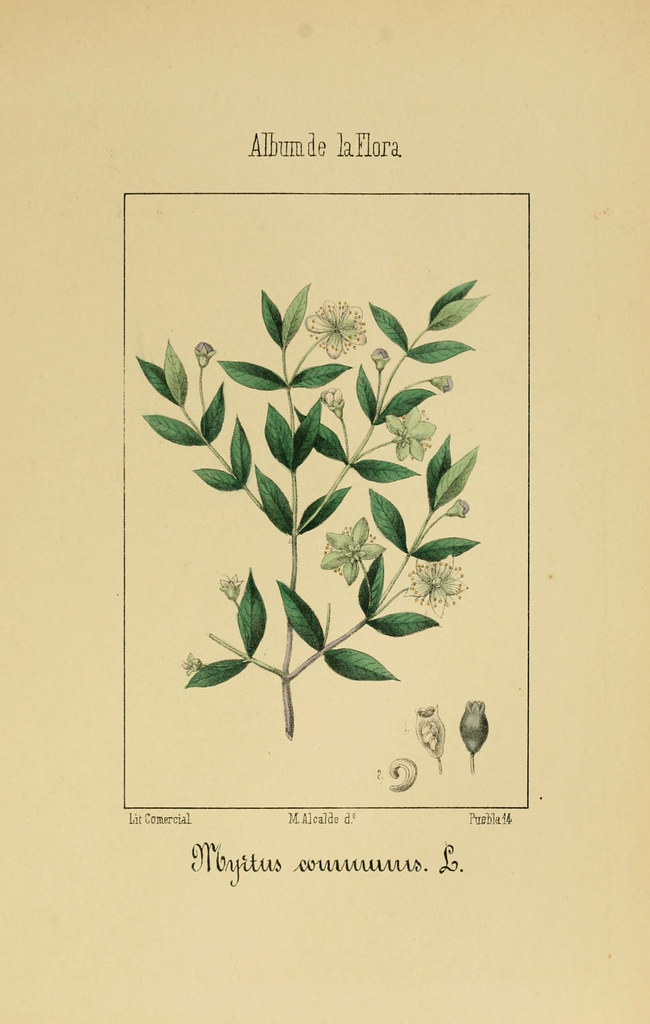
A botanical illustration of Myrtus communis, the common myrtle.
n208_w1150 by BioDivLibrary is licensed under CC-PDM 1.0

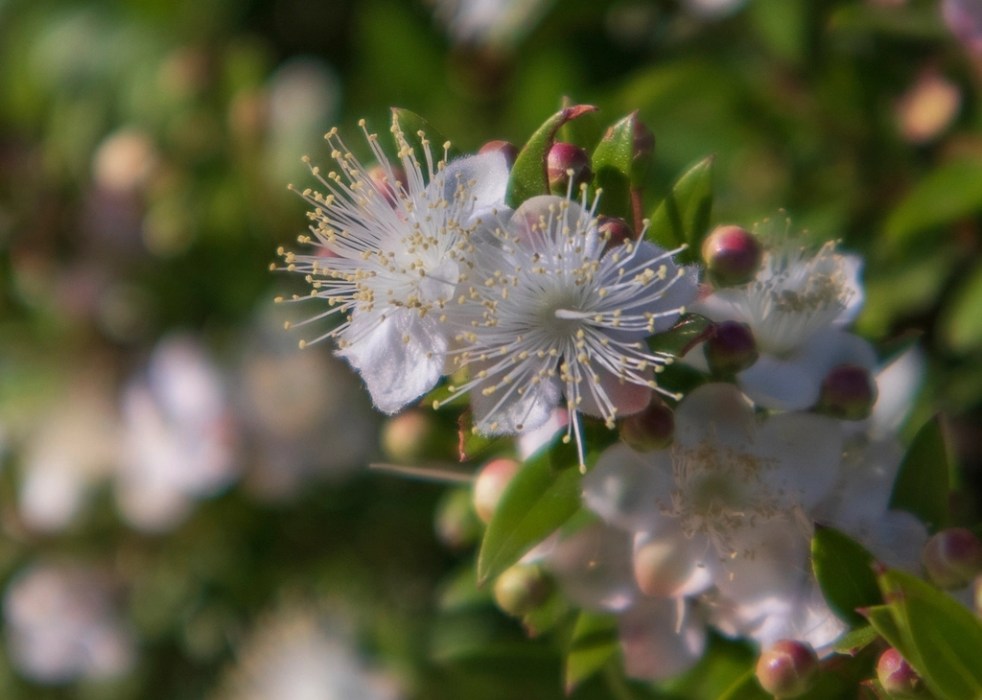
Common myrtle (Myrtus communis) is used as a culinary herb and medicinal plant. Figs, threated onto a myrtle skewer and roasted, acquire a unique flavor from the essential oils present in the wood. The seeds, dried and ground, have an interesting, peppery flavor often used in sausages. As a medicinal plant, it’s been used to treat scalp and skin conditions, to stop bleeding, and to treat sinus problems. (Unfortunately, there’s limited evidence that myrtle really does much for that last one.)

Lemon myrtle (Backhousia citriodora) is also a culinary and medicinal plant. As a culinary herb, it’s used to flavor any dish you might flavor with lemon: desserts, fish, poultry, or pasta. It’s especially useful for flavoring dairy-based dishes, since the acidity of actual lemon juice tends to ruin the texture of milk products.
Medicinally, the oil has some pretty significant antimicrobial activity. The leaves themselves are also very relaxing.
(I’ve had the dried leaves in tea, where I find it really shines — it’s got a delightful citrusy flavor with a bright, subtly sweet taste, and it absolutely knocks me out.)

In ancient Greece, the myrtle tree was a sacred tree for Aphrodite and Demeter. Seeing one in a dream or vision was considered good luck if you were either a farmer or a woman. It was also connected to the minor deity Iacchus, for whom there isn’t really much information — he was often syncretized with Dionysus, and Dionysus was all about wreaths and garlands. He could also have been a son of Dionysus, a son of Demeter, or a son of Persephone.

There are also three ancient Greek origin stories for the common myrtle. In one, an athlete named Myrsine outdid all of her rivals. In retaliation, they killed her and the goddess Athena turned her into a beautiful myrtle tree. In another, a priestess of Aphrodite broke her vows to get married (either willingly or unwillingly, depending on the version). Aphrodite then turned her into a myrtle tree, either as a punishment (for willingly breaking her vows) or as protection (against the husband who abducted her to marry). In the third version, a nymph turned herself into a myrtle tree in order to avoid Apollo’s unwanted advances.

Pink crape myrtle flowers on the branch.
Photo by Griffin Wooldridge on Pexels.com

In Japan, crape myrtles are known as sarusuberi (百日紅). Their striking flowers are often found in traditional artwork and make very striking bonsai.

Crape myrtles don’t have much history in old grimoires or European magical systems, purely because they weren’t really around centuries ago. When you’re reading about largely European folk magic, ceremonial magic, mythologies, or herbal medicine, they’re going to be talking about Myrtus species, not Lagerstroemia. That said, crape myrtle flowers are associated with general positivity, love, and romance.

Lemon myrtles don’t have much history in European magical systems, either. Like crape myrtles, this doesn’t mean that they don’t have value. In modern western magic, lemon myrtle is usually considered a solar herb and all of its attributes: purification, positivity, luck, and protection.

As a plant of Aphrodite and Demeter, common myrtle makes a good offering for either of these deities. (This isn’t always the case — sometimes, when a plant is sacred to a god, it means don’t touch that plant.) Since these goddesses are shown wearing wreaths of myrtle, it’s not a terrible idea to weave a myrtle wreath and either wear it while doing devotional work, or place it as an offering to one of them.

A hand holding a sprig of myrtle, showing the plant's leaves and berries.
Photo by Furkan Films on Pexels.com

Common myrtle is also very strongly associated with love and marriage. In Eastern Europe, myrtle wreaths were held over the heads of a marrying couple (now, people use crowns instead). All the way across the sea, in Appalachia, one method of love divination involves throwing a sprig of myrtle into a fire. If you watch the smoke closely, it’s said to form the shape of your true love’s face.

Myrtle is more than a love and marriage herb, however. It’s also considered protective. As mentioned in myrtle’s Greek origin stories, two of them describe women turning (or being turned) into myrtle trees in order to escape men. In England, it was also thought that blackbirds used myrtle trees to protect themselves against malevolent sorcery.

Common myrtle is associated with Venus and the Moon. Lemon myrtle is associated with the Sun.

If you have access to dried common or lemon myrtle as a culinary spice, you’re in luck — these are ideal ingredients for kitchen witchery. Combine them with other ingredients that match your intention (for example, make a delectable chamomile and lemon myrtle tea for luck, just be ready for a nap first), ask the herbs for their help, and you’re good to go.

Lemon and common myrtles have a high concentration of essential oils, so they’re good for infusing. Place some of the dried leaves in a carrier oil, like sweet almond or jojoba, and allow them to sit in a warm, dark area. Shake them regularly, and decant or strain the oil after a month or so. You’ve made an oil you can use for anointing, dressing candles, you name it.

If you want to use common myrtle for love divination, brew a cup of myrtle tea and read the leaves. You can also toss a branch of fresh myrtle into a fire and read the smoke.

I wouldn’t recommend planting myrtle trees if you live outside of their native range, but, if you’re in the southeastern US like me, you probably have access to loads of them anyway. You can find lemon myrtle in tea and spice shops. Same with common myrtle. Crape myrtle grows by the roadsides here as a landscaping plant. (If you’re me, you might even think you’re planting an elderberry start and end up with a crape myrtle instead!)

Even if you can’t grow myrtles yourself, I recommend experiencing their delightful colors, flavors, and aromas at least once. Each myrtle species and relative has their own fascinating folklore and history of use,

Plants and Herbs

Ivy Folklore and Magical Properties

Ah, ivy.

In the US, few outdoor plants are as divisive. There’s the very romantic ideal of an old, ivy-covered brick building in the Northeastern US, but also English ivy is invasive here. It’s a low-maintenance ground cover, but will also crowd out just about everything.

I wrote about vines in general a little bit ago. As I write this, I’ve just come back indoors from taking a walk around the yard and checking on how my plants’re doing. I was scoping out the raspberry canes when what to my wondering eyes should appear by a sneaky tendril of English ivy, creeping its way under the deck. With those two things in mind, I figured now might be a good time to do a deeper dive into one very specific vine: Ivy.

The ivies make up the genus Hedera. There are 12-15 distinct species within this genus, all native to Europe, eastward to Asia, and southward to northern Africa. The one that most English-speaking people think of when they hear the word “ivy” is common or English ivy, Hedera helix. (Pothos, Epipremnum aureum, is sometimes called “devil’s ivy” but is not related to Hedera. Neither is poison ivy, genus Toxicodendron.)

A dense growth of ivy covers a wall, surrounding a green door.
Photo by Pixabay on Pexels.com

In the Ogham alphabet, the few ᚌ (gort) is said to represent ivy. The Bríatharogaim for gort is “sweetest grass,” “suitable place for cows,” and “sating of multitudes.” The word “gort” also stems from a Proto-Indo-European root meaning “enclosure.” Some Ogham readers interpret gort as “field,” rather than “ivy,” which seems to be closer to its traditional sense. When the Ogham is conceptualized as a purely tree alphabet, gort becomes ivy. This few is associated with growth, prosperity, and the winding path toward enlightenment. On the flip side, it’s also connected to the word “gorta,” meaning “hunger” or “famine.”

In Irish folk stories, ivy is often described as surrounding the entrances of caves or secret doorways. Interestingly, in this context ivy is concealing these entrances from the outside world — either as a narrative flourish to give the text some more flavor, or as a deliberate guardian and barrier between the Otherworld and this one. In some tales, ivy is a protective plant against the fae.

In ancient Greece, ivy was connected to the God of wine, frenzy, and agriculture, Dionysus. He’s often pictured with a crown of ivy as a representation of his exalted and immortal status. In one tale, it’s said that he wore an ivy wreath to curb the effects of drinking wine — while grapes are a summer vine, ivy is a cooling, wintery evergreen. Thalia, the muse of comedy, was also depicted as wearing an ivy crown.

In Egypt, ivy was a sacred plant to Osiris. Similarly to Dionysus, ivy was connected to the concepts of immortality and rebirth.

The idea of buildings covered in ivy comes from the belief that this plant could protect one’s home and family from evil, as well as bring in good luck. This belief is also where ivy door wreaths come from.

While people often overstate the effectiveness of using indoor plants to remove pollutants from the air, research has shown that ivy may help reduce numbers of airborne mold spores. More study is needed to determine how effective this would be in the average home, as well as how many plants it’d take to cause an appreciable drop in mold spores.

English ivy is considered toxic, and consumption can cause gastric upset, pain, and vomiting. Some people are allergic to ivy, and may experience severe reactions. That said, this plant has historically been used medicinally to treat respiratory issues and extracts can still be found in some modern cold and cough remedies.

As an evergreen, ivy is often used for decoration during the winter holidays. It has a perpetual connection to the sun and springtime since it never loses its color, even during the depths of winter.

Magically, this plant is associated with fertility, abundance, protection, and good fortune. Some also use it to enhance divination or improve psychic abilities.

If you’re in the US, do not grow English ivy outdoors. If you’re going to grow it, pot it and keep it inside. While English ivy can be controlled with careful pruning, it can easily get out of hand and grow prolifically enough to starve and weaken trees by weighing down their limbs and blocking sunlight from reaching their leaves. It also has a habit of escaping and ending up where there isn’t anyone around to keep it pruned, damaging native forests. IWithin its native range, ivy provides food, shelter, and an increase in the biodiversity of forests. Outside of that range, it is mainly a way to slowly kill trees and turn every available surface into more ivy.

Ivy growing on a tree trunk.

If you really, really want to grow ivy in your garden, look for varieties that are considered non-invasive where you live.

Historically, the easiest ways to use ivy have been to have it near or on your front door, or even just to wear or carry a sprig. You could do this by tucking a fresh sprig in a pocket, a buttonhole, or even a hair clip whenever you go to do something that requires some extra luck and protection.

Traditionally, ivy was used to protect against supernatural entities and malevolent witchcraft. This makes it a good candidate for including in any spells, jars, or sachets intended to break or protect against hexes, jinxes, or curses.

If you do decide to keep English ivy in your home, whether live and potted or fashioned into a wreath or garland, keep it away from pets. While it does have medicinal properties, this is only when properly prepared by a skilled herbal practitioner. Otherwise, it’s considered toxic to dogs, cats, and humans.

Ivy is a beautiful little plant with a long history of symbolism behind it. As with many plants of considerable power, it needs to be treated responsibly — stay mindful of ivy’s place in (or outside of) your local environment and build a relationship with it accordingly. Whether you’re able to safely grow ivy outside, or must keep it confined to a pot indoors, this plant is a very handy and capable magical ally.

Plants and Herbs

Lemon Folklore and Magical Properties

Lemons have a rich history of folklore and magical use. In the US, it’s one of the quintessential summer fruits — owing, at least in part, to its cooling properties.

A lemon hanging from a lemon tree branch.
Photo by Samer Daboul on Pexels.com

Lemons can do more than cool you down on a hot day, though. They’re also integral to the “lemon cure” that made its way around Pinterest and other social media spaces. This involved cutting a lemon into slices, salting it, and placing it in your home to (depending on the source) remove or detect negative energy. This idea didn’t come out of nowhere, either. Lemons have historically been used to counteract evil, fight disease, and much more.

Nobody knows for sure where lemons (Citrus x limon) came from. Experts theorize that the first lemons were grown in India, and genetic studies show that they’re a hybrid between citron (Citrus medica) and bitter orange (Citrus x aurantium). Bitter oranges, in turn, are likely a cross between pomelos (Citrus maxima) and mandarins (Citrus reticulata). The name “lemon” stems from the Persian word “līmūn,” which referred to citrus fruit in general.

In American folklore, lemons were (and are) considered fruits of positive energy and purity. There are tales of lemon trees that would only bear fruit when a pure-hearted soul approached or cultivated them, and hanging a lemon above one’s front door is touted as a way to keep evil at bay.

In India, shopkeepers would hang lemons, chilis, and charcoal above their shop doors. This is a specifically designed to repel Alakshmi, a deity of misfortune and poverty. She is a dualistic figure to Lakshmi, and represents the fall that comes after pride, or the negative force that comes after increasing wealth. Her presence is said to cause malice, jealousy, and ruin.

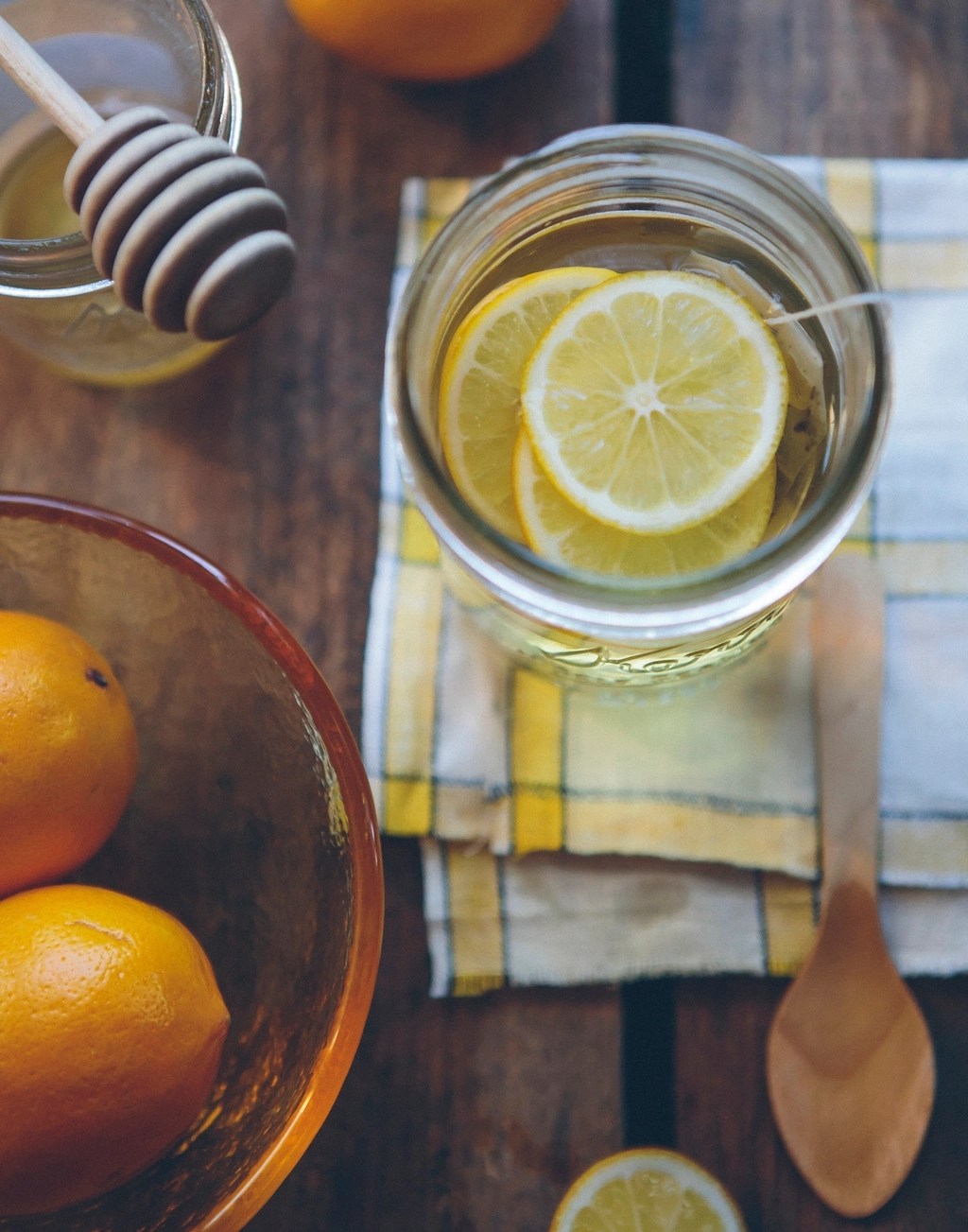
A jar of lemon tea, sitting atop a yellow and white napkin on a wooden table.

Meanwhile, in Greece and medieval Europe, lemons were associated with luxury — after all, they had to travel a long way to get there and required very specific conditions to grow. This gave them additional connections to abundance and prosperity.

Medicinally, lemons have been used to combat illnesses like sore throats and upper respiratory infections. Historically, their juice and preserved peels were used to aid digestion.

Today, lemons are commonly used as the base for the citrus pomanders commonly seen in the US around the winter holidays. Take a lemon, stud it with dried clove buds, and there you go — a pretty, festive, and wonderful-smelling pomander. These objects weren’t always holiday decorations, however.
Their origins are quite a bit darker.
Before the germ theory of disease was developed, people believed in miasma theory. Bad smells were thought to be the culprit when it came to all kinds of sickness, and people would wear or carry pomanders to ward them off. These were usually little sachets, rings, or metal cages containing fragrant ingredients that the user would hold up to their nose in order to keep from breathing in bad odors.
While citrus pomanders are often associated with Colonial-era crafts, few American colonizers would have been able to afford to wear or decorate with perfectly good food. Decorations like this were really more of a thing around the 1900s. Some confusion arose in the 1930s, when the Rockefellers helped restore parts of Williamsburg, Virginia. The residents were told that, to preserve the town’s Colonial-era museum-like quality, they weren’t allowed to decorate for the holidays since this wouldn’t be period-appropriate. Residents eventually struck a compromise in which they were allowed to decorate in a turn-of-the-century style that used fruits and greenery instead of blinking lights.
Hence, the citrus pomander as a questionably-authentic Colonial-era holiday decoration.

Overall, lemons are strongly associated with cleansing or repelling evil and attracting prosperity. The concept of prosperity is often expanded to include all good things, including fertility. Lemons are also frequently employed as catalysts in luck formulas. Lemon blossoms, in particular, are considered a powerful attractant for positive things.

Interestingly, lemons are somewhat contradictory when it comes to love — lemon blossoms are generally a romantic ingredient, and there are also traditions that involve using lemons to secure a partner. (For example, one Sicilian-American tradition involves a woman stealing a lemon from a St. joseph altar in order to get a husband.) On the flip side, as a sour fruit, lemons are used equally as often to end a relationship and drive away an unwanted suitor. Lemons are also used for mental clarity, which is generally an antidote to the twitterpated feeling of being in love!

A lemon cut into thin slices, sitting on a wooden cutting board.
Photo by RDNE Stock project on Pexels.com

One of the easiest ways to use lemons is in the lemon energy cure, as described at the top of this post. Take a good, firm, fresh lemon, and cut it into slices no more than a quarter inch thick. Sprinkle these slices with salt, and place them in the most high-traffic areas of your home — places like living rooms and dining rooms. Give the lemon a few days, then give it a look over. If it’s neatly dried, then all’s well. If it’s soft, mushy, discolored, bad-smelling, or moldy, repeat the process with a fresh lemon.

Some practitioners don’t even bother with the whole cutting and salting thing. Instead, they place whole lemons wherever necessary. If the lemons dry up, everything’s good. If they mold or decay, it’s time for a thorough cleansing and some new lemons.

Lemons are also good to add to floor, door, and window washes to remove bad or stagnant energy. Squeeze the juice of a fresh lemon into a bucket of fresh washing water and mop your home from back to front. Give your doors and windows a wipe down with the water as well.

In general, lemons are a good thing to keep around where people (especially guests) congregate. You never know what kind of energy other people are bringing in, so keeping some fresh lemons where you usually socialize is a good way to counteract any kind of negative energy that pops up. Pick up a pretty bowl from a thrift shop, add some bowl fillers and a few lemons, place it somewhere inconspicuous, and nobody’ll be the wiser.