life · Neodruidry · Witchcraft

A very happy Samhain!

Despite popular depictions of Samhain/Halloween, it’s not really a major holiday for me in a religious sense. It’s more or less New Year’s. There are some events here and there — workshops on ancestor veneration, dumb suppers, and such — but it’s not quite as big for me as the solstices and equinoxes are (especially Mabon).

This year, we had tentative plans to have dinner and watch movies with friends, but that fell through. Instead, it was handing out candy to trick-or-treaters, doing small, homey things, and holding a spirit feast.

Elegant dinner table with floral centerpiece
Photo by Alina Skazka on Pexels.com

Dumb suppers are a traditional way to celebrate Samhain and involve sharing a meal in silence with the ancestors. Spirit feasts are a bit different — they’re not necessarily silent, and there are a lot more invitations to go around.

Dumb suppers tap into a kind of sacred silence that’s part mourning, part veneration, part listening and being receptive. The intention is to pay attention to the spirits of the ancestors, rather than the noise of living beings. Sometimes, people use this as a time for divination by listening for the voices of the dead.

Close up photograph of two lit sticks of incense.
Photo by Abhas Jaiswal on Pexels.com

When I conduct a spirit feast, on the other hand, it’s more like a party. Deities, spirits of nature, spirits to whom I may owe a debt, and spirits of ancestors (blood-related or otherwise) are all invited. I may offer food (this year, for example was fresh-baked biscuits with peach honey butter). I usually also offer incense, candles, liquor, tea, flowers, honey, and/or perfume. I play music (usually the lyre or dulcimer guitar). I read poetry. I tell stories or jokes. I put new artwork on my altar.

The atmosphere and focus are a bit different. It’s less about communing with the dead, and more about offering the best of what I have to all of the people, animals, plants, elements, places, and gods that have made me who I am.

I do this year-round, but Samhain makes it a bit more special.
Plus, it’s easier for everyone to attend.

This year, I’m honestly looking forward to winter. I have a lot of small-scale stuff to do to prepare for spring and summer, and I’m excited to get to it. I have art to make, wood to prepare for wands, trees to prune, and areas of the garden to set up for vegetable and herb beds. Honestly, I’m almost more eager to do that than I am to see the payoff later on.

I’ve built up a pretty good stock of art, wands, and jewelry. I’m starting to study incense making and botanical perfumery. I’m super stoked to find actual markets to vend at next year, so I can expand beyond just selling things online. It’s a little scary, but even more exciting.

No matter whether you celebrate Samhain or not, here’s hoping all of you have had a peaceful, happy October 31st and are looking forward to the months ahead!
animals · life

Pagan Pride 2024! (In which I meet some very handsome lads.)

This past Saturday was Pagan Pride at the Unitarian Universalist Congregation of Frederick. If you’ve never been, I highly recommend it — there’s live music, workshops on a variety of subjects, food, and tons of vendors of all kinds of cool stuff!

(I, personally, came away with a mug, some artwork, a mushroom-shaped incense holder, a pin, a set of earrings, dried organic lavender, magnesium butter, a really cool jar shaped like a skull, a hand-dyed and block printed bandana, and a display of a mossy log set with three corked test tubes. The stump in the front yard has been putting out a ton of interesting mushrooms lately, and I’ve been dehydrating what I can identify. I’m looking forward to displaying them once they’re done!)

This year, I decided to skip the workshops in favor of hanging out with friends (actually, many of the friends that I just saw at the Mabon celebration), listening to music, and eating delicious sorbet. The Street Cow‘s Cowabunga sorbet pop is non-dairy, real fruit puree, and awesome.

An image of a series of moon-shaped suncatchers. They're all made of copper wire, decorated with gemstones, brass charms, and crystals.

Also, I met some very handsome lads.

This is Spectre.

An image of a snowy owl, with his beak agape.
Spectre is fine, it was just toasty out and he is a young boy who is very excited to see new things.

He was part of Avian Encounters, a group of falconers who provide people with the chance to learn about and see raptors close up. These are all trained birds, kept by licensed professionals who know how to properly feed, care for, and mentally engage them. Getting to see birds like this up close is a rare and fascinating experience.

They also had a little screech owl, an American kestrel…

And (oh, be still my heart) a gorgeous African pied crow.

A close up of an African pied crow, showing their distinctive white chests and backs. They look like black crows that are constantly wearing little white sweater vests.

“May I take a picture of him?” I asked, barely able to contain my excitement.

“Sure! If you make a donation, you can also hold him and take a picture.”

!!!!

A photo of the author with the pied crow perched on their arm.

Needless to say, I did. He sat still for a short video (the picture to the right is a still), before hopping back to his handler. The whole time, I gushed to him (like a starstruck dork) about how pretty he is.

Human celebrities are all well and good (I saw one of my favorite musicians not long ago and managed to be surprisingly normal about it). A really cool bird or bug, though? I will absolutely lose my mind.

Pagan Pride is delightful every year, but this year was particularly special. I really hope Avian Encounters is there next year, too — the birds are all beautiful, alert, and well cared-for, and it’s a great opportunity to learn more about them and get some close-up reference photos for paintings.

life

On the importance of the Third Place.

There’s a concept called the “third place.”

This is a place where people congregate, distinct from their homes and workplaces (first and second place, respectively). This can be a pub, or a community center, or a church, or salons and barber shops.

For much of the Pagan community, metaphysical shops hold the distinction of “third place.” They’re more than a place to buy candles and incense. They’re where you attend events. Classes. Opportunities to socialize with and learn from other people like you. A place to find community.

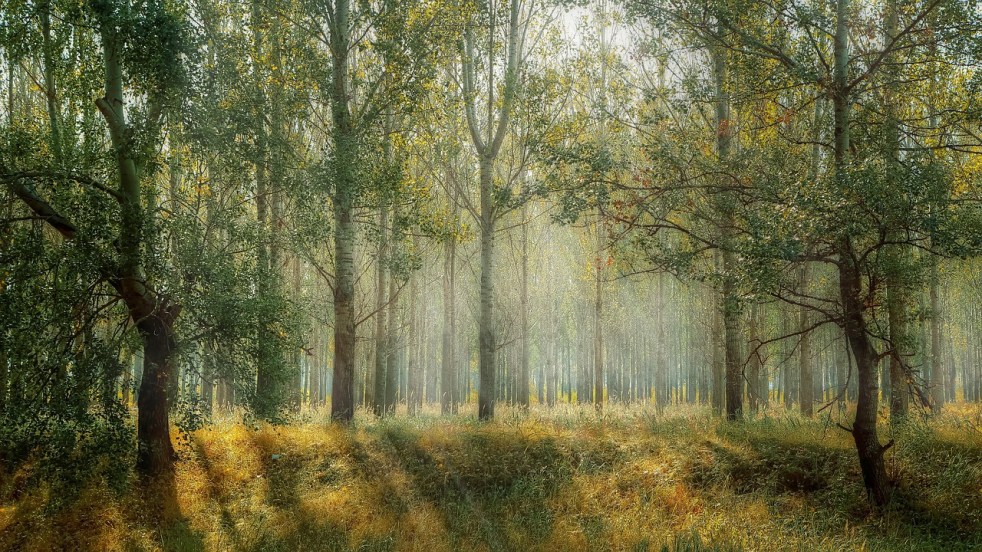
A picture of a tranquil stream wending through a forest.
I’m fortunate in that, as part of a group of Druids, many of my community meeting spaces are forests. Even so, natural meeting spaces can be taken away, too. Photo by Ian Turnell on Pexels.com

Not long ago, I found out about the closing of a metaphysical shop near me which I loved dearly. A week or two ago, I found out about the closing of another. The owners had been looking to retire and sell their business, but the ownership of their location changed hands. The new owner opted not to renew their lease, leaving them without much choice other than to close the business.

A lot of metaphysical business owners and event coordinators are older, and there haven’t yet been enough people to take their place. I wish I could, but money is often the obstacle to doing so. I’ve donated money to ongoing efforts, supported businesses, reached out to figure out what I could do as far as vending, teaching, or anything else, but the problem is usually much, much bigger than I am.
Every time we lose a shop, a group, or a festival, it’s like losing a friend.

Whether you’re Pagan or not, the third place is important. For many people, it’s life- and mental health-sustaining. Don’t take your third place for granted — there are a lot of things that can take it from you. Support the local businesses that matter to you, even if they’re more expensive than big box stores. Attend community events. If you have a skill or craft to share, see what you can do to become a part of things. If you have the means, consider creating or contributing to a third place for your people.

Sacred Circle, in Alexandria, VA, will be closing at the end of the month. In the meantime, they’re having a sale with deep discounts on everything. Books, journals, candles, herbs, crystals, musical instruments, you name it.

Neodruidry · Witchcraft

Beltane with Frederick CUUPs

This past Saturday, my Handsome Assistant and I went to celebrate the first of the fire festivals with the Congregation of Unitarian Universalist Pagans. It was a bit rainy, so outdoor bonfires were out, but they managed to make even an indoor-only Beltane a ton of fun!

There was lots of food, drumming, dancing, and a maypole. When we arrived, we were asked to write a message on two pieces of ribbon — one was a wish for ourselves, the wider community, or the world. The other was a specific wish for an anonymous person in the community.

The first ribbon was tied to the longer ribbons streaming down the maypole. The as the dancers dipped and wove around each other, these ribbons were all beautifully interwoven together in a powerful representation of community, togetherness, and cooperation.

A different maypole, pre-dancing. Photo by Sandeep u2736 on Pexels.com

The second ribbon was placed in a basket, for another attendee to select at random. (The one I picked simply said “joy,” which is a succinct and delightful thing to wish for another person. I tied it to my backpack, and it makes me smile every time I see it. Sure, the person who wrote it doesn’t know me, and the wish wasn’t for me in particular, but the idea that someone out there hopes that a stranger is happy is still a sweet notion.)

I also brought my big tongue drum. I wasn’t sure how it’d fit with the rest of the percussion, but it was fine. A bit challenging to keep up the tempo of the drumming, since tongue drum notes are meant to be sustained, and not very loud, but still lots of fun to play — and my first time playing it at a public event.

I danced a little in the beginning but couldn’t really take part in the maypole dancing. I’m still coming off of spraining my ankle, and, with everything else this weekend held, I knew I had to pick my battles. So, drumming and socializing it was!

After the ritual, I was carrying my drum back to the car when I was sidetracked by an adorable tiny child in a skeleton costume. Said tiny child came up and began bapping at the top of the drum, in the absolutely fearless and unselfconscious way of tiny childs, so I set it down on the floor, sat next to them, and let them play. I showed them how the small metal tongues make the high notes, and the larger ones make the low, and they seemed to have a blast making all kinds of sounds.

The ritual was beautiful, the drumming was high-energy and exciting, and everyone there was delightful and welcoming. It was great to see friends I hadn’t seen in some time (some since the Mabon camping trip) and make new ones. 🧡

life · Neodruidry · Witchcraft

Frederick Pagan Pride 2023

It’s just this past Saturday, and my Handsome Assistant and I pull up to the Unitarian Universalist Church in Frederick, MD. The friendly young people attending the lot tell us there aren’t any parking spaces left. We’ll have to go to the lot a mile down the road, they direct us, and take the shuttle.

Personally, I’m shocked. It’s only a quarter past ten, how could the lot be full already?

A rustic pendant made of copper, quartz crystall, and azurite malachite on a copper chain.

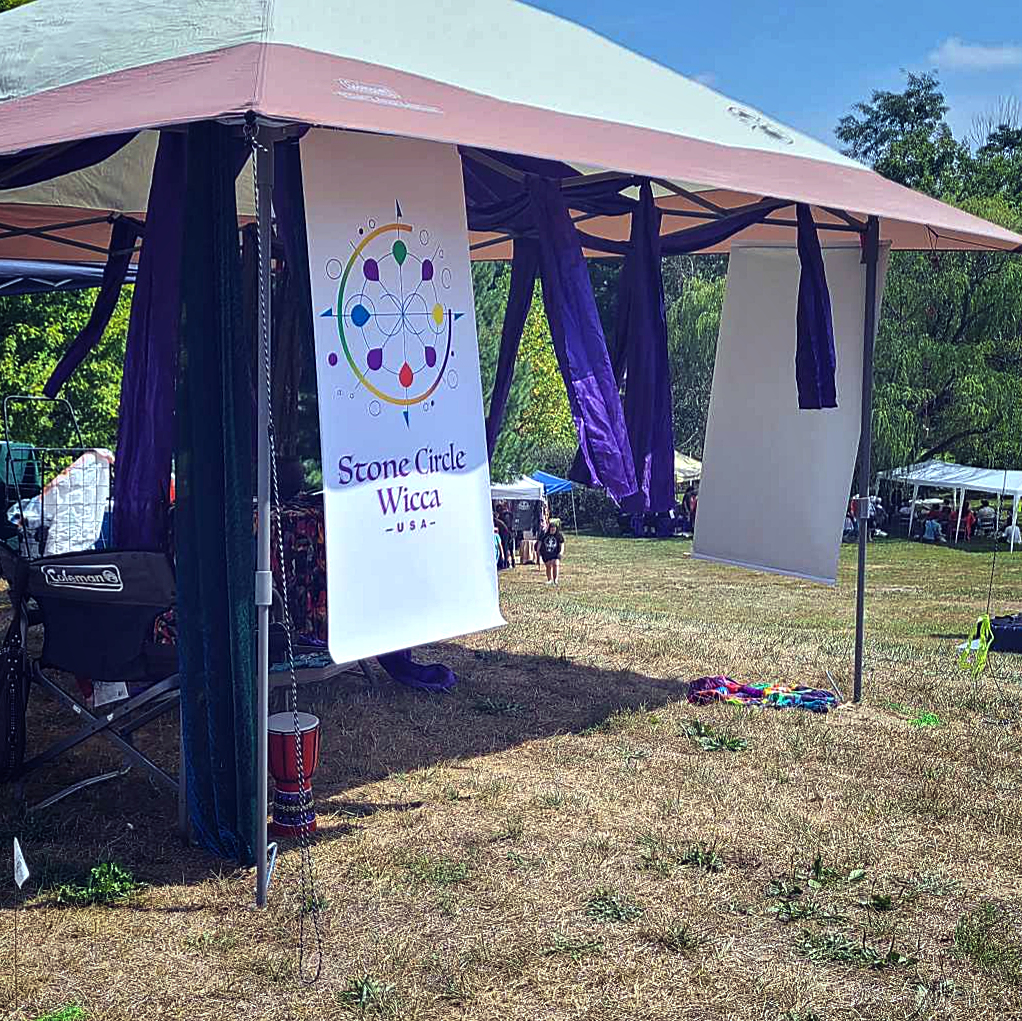
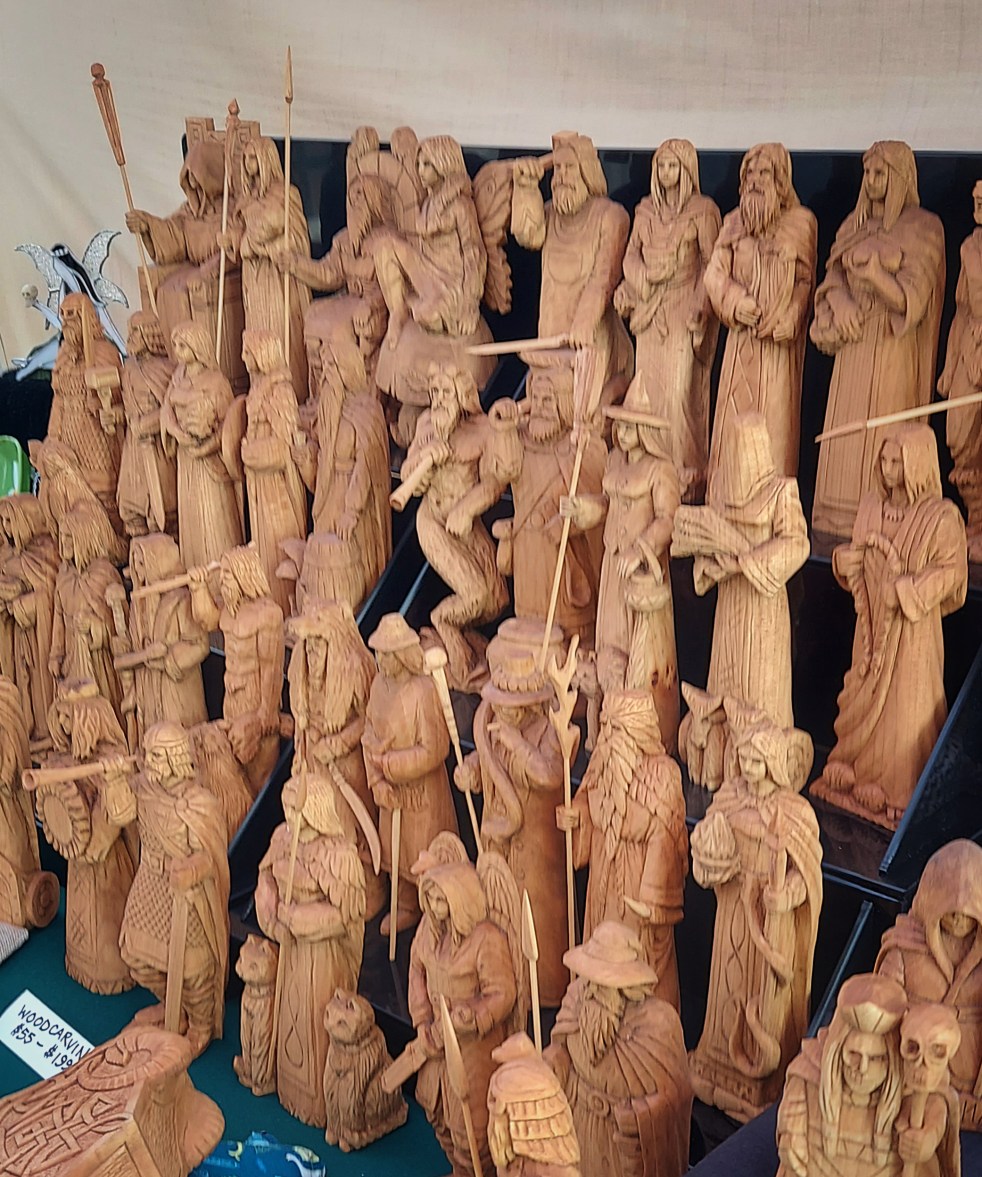
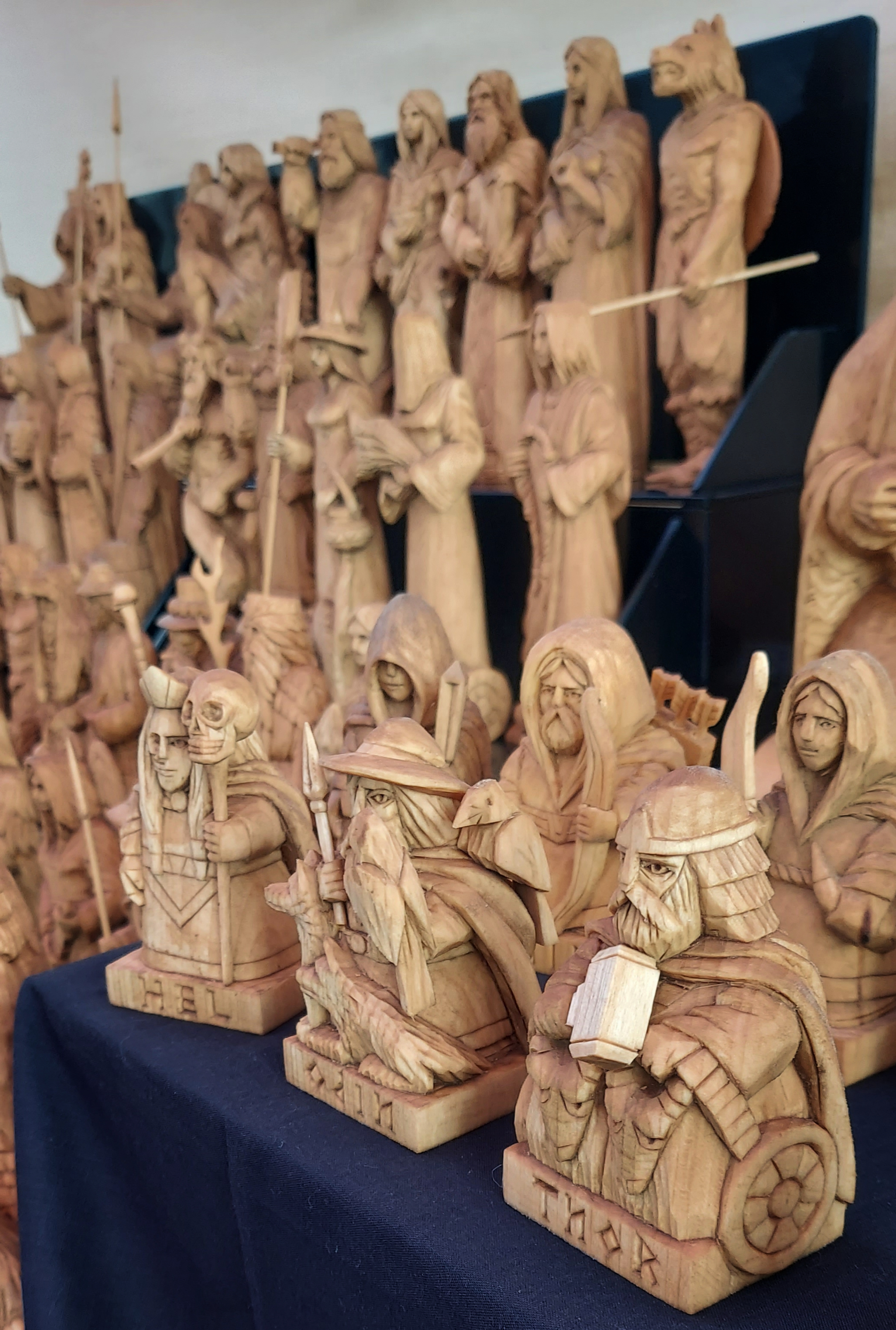
They weren’t kidding, though. Even the other lot was filling up, and the shuttle was almost completely full as we rode back. The grounds themselves were ringed with vendors, information booths, and more — there was Tempered Raven, who hand-forges beautiful blades There were so many booths of jewelry (I bought a beautiful quartz, azurite malachite, and copper necklace from Unclaimed Treasures). There were herbs, incenses, soaps, pottery, handmade brooms and whisks, woodcarvings, altar supplies, and amazing desserts. There was even free coffee, tea, and cold brew from the awesome people at Stone Circle Council (check them out — they do some very cool things).

A handmade ceramic watercolor palette with eight wells.
I also picked up a handmade palette. It’s intended for watercolor, but I’d like to see how it does with casein. Casein paint dries out so fast and softens up with a bit of water, so working with it is a bit more like gouache than acrylic. I’m thinking a glazed surface will be perfect!

There were also loads of workshops and live music. It was busy, it was vibrant, it was great. I always regret not taking more pictures of the event itself, but I always feel a bit odd about snapping pics of people unaware. (Sure, there’s no expectation of privacy in public, but something being legal doesn’t preclude it from being a bit of a dick move, you know?)

The busyness was at once a wonderful sign, and an unfortunate one.

On the one hand, it’s great that events like this are attracting a bigger audience. Aside from vendors of beautiful crafts and delicious food, there are lots of tables for different Pagan, metaphysical, and mystical organizations. If you’re looking for a path to call to you, or people to network with, this is the place to find that thing. In an era where social media has allowed — even encouraged — the proliferation of misinformation that’s unhelpful at best and dangerous at worst (and don’t get me started on AI generated books), it’s really nice that there’s still a wonderful variety of actual organizations dedicated to study and practice.

Last year, I got a little emotional about how events like Pagan Pride make me feel about community, aging, and tradition. It’s a feeling I hope everyone gets to experience at least once.

On the other hand, a big part of the reason for this large audience is that two other Pagan Pride events — the one in DC, and one in Manassas, VA — effectively no longer exist. A friend pointed out that they’d even contacted the coordinators of the DC pride event and hadn’t heard anything back at all. As if the email address was going unchecked. I looked up information on Manassas everywhere I could, but it was pretty scarce. The last event seemed to be in 2019, and the 2022 event was cancelled. According to their Facebook, they weren’t able to hold one in 2023.

A lot of Pagan community organizers seem to be either getting burned out (with everything else going on right now, who can blame them? Add the often-thankless work of organizing to the struggles everyone else is dealing with right now, and it’s completely understandable) or just aging out of their roles. All of the organizations I know, even the ones I’m a part of, operate on budgets that would make a shoestring look luxurious by comparison.

It’s something I’d love to help with, but I’m not really sure where to start. I’ve often said that, if I were handed enough money to live off of for the rest of my life, I’d put it into a small house on a large piece of property. I’d rewild as much as I could and put it under a conservation easement. Some, I’d want to guide into operating as a permaculture food forest (I have tiny fantasies of adopting a rescue donkey or small pony, having them carry a basket, and walking around with them to pick fruits and vegetables). The rest, I’d want to make into an event space for musicians, dancers, and events like Pride. I have no heirs, so, when I died, I’d will it back to whatever Indigenous group formerly held it. In the meantime, I’d want it to be a place for community members to interact — flora, fauna, and human alike.

I mean, I feel like I’m basically describing a two-person commune, but I feel like you get the gist.

I suppose what I’m saying is that it’s a shame that the world has done us up all wretched, and I wish I knew how to take on some of the burden of organizing and setting up events like this with the resources that I already have. (A tiny yard, most of which is steeply uphill, an even tinier bank account, and massive social anxiety).

In the meantime, support your local Pagan organizations and artisans, yeah?

life · Neodruidry

Letting my mind and spirit free.

I’m writing the after a soak in loads of epsom salt. My muscles are sore and tired, but the kind of “vacation” sore and tired you get from a day of activities you’ve long looked forward to.

Can I tell you how much I love Pagan Pride Day? In the past, it was just nice to go to a place where I felt less isolated. This year, my partner and I were able to go, hang out, and just enjoy the company of good people from the Druid group I’m involved in.

We sat under the spread of an oak tree that occasionally dropped a gentle rain of acorns on us when the wind blew right, eating fruit, shaved ice, and very good Filipino food (provided by Rollz On Wheelz). There was music and dancing, and friends and acquaintances who passed by, stopped for a chat or an introduction, then drifted back into the crowd. My partner and I walked by all of the vendors, secretly pointing out what we’d bring home that afternoon and what we’d hope to see next year.

I picked up handmade soap, Florida water, supplies for offerings, a beautiful devotional bracelet to my patron deity, and a horseshoe for the front door. I also obtained a large, crocheted axolotl, and the seller and I laughed about his adorably wonky eye — as it turns out, we’re both people who gravitate toward things that are slightly off. Not always things in need of repair, but things that are a little out of the norm and likely to get overlooked. He was the last one of his kind, and I knew that leaving him behind was going to eat at me. He’s also made of very, very soft chenille, is delightful to hug, and I apologize to no one for my strange sympathies for inanimate objects.

Admittedly, the event had a strange kind of melancholy for me, too. I was talking to two people about the generational differences between witches and Pagans, open and closed practices, gatekeeping, “Witchtok,” and the seemingly shrinking role of elders in the ever-expanding online community. The internet has provided more interaction and connectivity than ever seen in history, but at a cost — the wisdom of experienced people is easily drowned out by teachings that can be inaccurate at best, and dangerous at worst.

I say it was melancholy for two reasons: For one, I feel a pain in my heart for people looking for a place for themselves. I was one for a long time. I was happy with an eclectic practice, but opportunities to learn from experienced practitioners were few and far between. I kludged together what scraps of information I could get but becoming part of a more organized tradition gave me something that eclecticism and patchwork internet teachings didn’t. This won’t be the case for everybody, but damn do I wish that people had access and opportunities that would let them discover and decide for themselves rather than feeling like their only options are books and social media. I know I would’ve loved to have had that opportunity years ago, even if I might’ve turned it down at the time. At the very least, I wish I had been free to make that choice for myself when I was young.

For two, I feel melancholy because it was a bit of a memento mori. Every day brings me closer to being an elder, or a spiritual ancestor. The idea of mortality isn’t really what bothers me — I more than made peace with that a long time ago — but the feeling of ever-plodding obsolescence is. It’s like a sense of loss for something that isn’t gone yet. I don’t really know how to describe it.

So I guess all of this is to say that I love feeling like I’m in a place I belong. It reminds me of the warm, vibrant, thrumming dance of life, with all of its sweetness and bitterness and joy and sorrow and love and loss. I love the drums and the hum of insects. I love the smells of incense and late summer wind through oak leaves. I love the candy sweetness of syrupy ices and the coolness of Florida water on my temples. I love the warmth of tree-dappled sunlight and the smooth coolness of polished bone.

Arright, I’m gonna go before I get more emotional. I need to get the cabbage butterflies off my broccoli anyhow.

Here ’til the lettuce peeks to see the salad dressing,

j.

life · Witchcraft

Rosemary for Remembrance

My family has a long history of military service stretching back on both sides — all the way back to the soldiers in Acadia and beyond. I don’t know the names of my ancestors who died in war, though I’m sure there must have been some. Monday was Memorial Day, so I thought I’d do a Witchcraft Wednesday post on a ritual for memorializing the departed. Even if your Memorial Day plans don’t include rituals or spellwork, or you usually perform your remembrance work around Samhain (when the veil between worlds is thinnest), this is a good, simple working for this time of year.

All you’ll need are:

  • A white (or natural beeswax) candle
  • Rosemary oil (optional)
  • Sprigs of fresh rosemary
  • A piece of string or ribbon
  • The names, photos, or even just visualizations of your departed ancestors
  • Other herbs or woods associated with remembering or honoring the dead, like marigold. Oak is symbolic of strength, vitality, and victory, and is often a motif on military headstones.

Begin by anointing the candle with rosemary oil, if you wish. Next, fashion the rosemary into a wreath and tying it with the string or ribbon. If it is large enough, place it around the base of the candle. If not, place it before it. Inhale the sweet green aroma, as rosemary is the herb of remembrance. Let whatever memories or images it conjures up for you flow.

Fresh herbs.

If you have photos or belongings from the deceased, or even just other herbs, leaves, or flowers, arrange them how you wish. There is no right or wrong way.

You can say a few words acknowledging your lost ancestors’ bravery or sacrifice, if you wish. This is a complicated time for many people, and that’s okay. Many people choose military service as a way for them or their families to escape poverty, which is a terrible choice to have to make. Even if you are a pacifist, or are against the wars that they fought, you may wish to acknowledge the courage it took to go into the battle that claimed their lives.

Light the candle.

Say,

“The ones you left behind mourn you, but you are beyond pain and fear. You did not return home, but you are alive in our hearts and minds. Be at peace.”

If your belief system includes reincarnation, now is a good time to visualize your ancestor as they might have been reborn — free and happy, in a healthy, uninjured body. You can add some words to that effect, if you wish.

Allow the candle to burn. Dispose of the ritual remains in a manner appropriate to your tradition.

Though Memorial Day is for honoring the fallen, there are those still living who have sacrificed their well-being. The Wounded Warrior Project has a variety of veteran programs designed to help them move forward with mental and physical wellness, career and VA counseling, and more. If you can, please consider donating.

Books · Neodruidry

Let’s Read: A History of Pagan Europe

Note: This post contains affiliate links to the book(s) I mention. These allow me to earn a small finder’s fee from Wordery.com, at no cost to you. Thank you for helping to support writers, publishers, and this site!

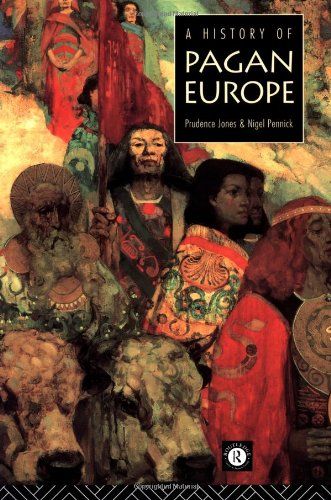
Prudence Jones and Nigel Pennick’s A History of Pagan Europe was originally recommended to me years ago, and I pretty much just read it for the fun of it. When it popped up on the approved reading list for the ADF dedicant path, I realized it’d probably be a good time to give it a closer look. It’s a rather dense read (though still an enjoyable one), and, considering the subject matter, it takes a couple of passes to really absorb all of the information presented.

paganeurope

Jones and Pennick do an excellent job of connecting dots between disparate cultures, explaining each area’s stages of religious development in easy-to-understand terms. (The convergent evolution of the concept of sacred wells/trees/etc. between Mediterranean and Celtic cultures was especially interesting.) I particularly enjoyed the analysis of Celtic culture pre-Roman contact. There’s really a dearth of information available on this period — it seems like a lot of what we know is via the Roman conquest itself. Because of Rome’s relatively relaxed attitude toward outsider religions, many aspects of Celtic religion were preserved (albeit in an altered form) through syncretism with the dominant religion of Rome. The Druids disappeared. Their symbols, deities, and sacred sites, however, survived.

(Ultimately, it was this attitude that led to the persecution of monotheists — Rome didn’t particularly care what religion anyone was, so long as every citizen honored the ruler’s personal deity. It was believed that this helped preserve the state itself, and thus failing to do so was tantamount to treason.)

A History of Pagan Europe is a bit dry, as many books of this nature are, but it’s a book I find myself returning to now and then. There’s a lot to take in, and, as a Pagan, I feel that sources like this are important — simple, factual, without a lot of the editorializing you find in books geared toward a new-age or Pagan audience.