

life

Which trichotillomania remedies actually work? (Or, Hair: A Retrospective)

If you’ve followed me on Instagram, you probably know that I’ve had a shaved head for years at this point. A few months back, I decided to experiment with letting some of my hair regrow. This was mainly a test to see how much of my particular case of trichotillomania is an ingrained habit, versus a deeper issue. Half of my head is currently almost shoulder-length, while the other half is still shaved.

Recently, this all got me thinking — out of all of the things I’ve tried to beat this, which ones actually seemed to help? Trichotillomania is commonly regarded as a kind of obsessive-compulsive disorder. Believe it or not, pulling out the “right” hairs (usually ones that are of a different texture than the others) can give a dopamine rush, while failing to do so can cause feelings of anxiety and an intense compulsion to find and pull the offending hair. It’s not the kind of thing you can sort out just by switching shampoos.

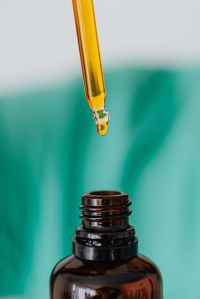
Photo by Luis Quintero on Pexels.com

With that said, here are the things I tried… and how well they measured up against my apparent desire to destroy my own head:

These might work for some, but they didn’t really do it for me. The problem here is that the feeling of needing to pluck my hair doesn’t really feel like it originates in my hands, so keeping them busy doesn’t get rid of the tickle in my scalp or the feeling that there’s a weird hair I need to get rid of.

A lot of the objects geared toward people with trichotillomania also aren’t refillable. You could end up going through multiple vinyl plucking toys per week, and what do you do with all of them afterward?

Fidget objects that mimic hair pulling or skin picking are also somewhat controversial. For some people, they can help redirect the behavior to an object. For others, they may just reinforce the undesirable picking/plucking.

Ugh, no.

My thought was that, since the desire to pluck starts as a subtle tickling sensation on my scalp, which progresses to me finding a hair that’s grown in with an odd texture, smoothing products would help. This was not the case. In fact, they either didn’t make any difference at all, or made my hair feel oilier and itchier. No. No, thank you.

Like the tea tree oil shampoos and conditioners, these helped for brief periods. The oils I used were chiefly rosemary and cedar, both credited with helping to regrow hair and improve hair and scalp health in general. They smelled nice. They felt nice. They made my scalp feel better, but they didn’t last very long.

These things look a bit like metal spiders with a wooden handle. You hold the handle and use the spidery bit to massage your scalp. They feel nice, they help temporarily increase blood flow to that area, but they don’t really get rid of the urge to pull.

Photo by Karolina Grabowska on Pexels.com

These are often either witch hazel based, or castor oil based. You find castor oil in formulas to moisturize the scalp and promote hair growth and witch hazel in ones for scalp health. Like other topical treatments mentioned here, these serums seemed to fall into one of two camps. They either 1) felt soothing for a couple of minutes, or 2) just made me feel stickier/greasier and itchier. The cooling sensation of some non-oil-based serums did seem to make a difference, but they needed to be reapplied frequently. The oil-based serums did seem to help regrow hair, but they were also a lot heavier. but weren’t soothing.

Like a parent trying to keep a kid with chicken pox from scratching, I tried sticking gloves on my hands. “Maybe,” I thought, “if I just make my hands worse at pulling my hair, I’ll eventually stop.”

The trouble is that the things that it harder to pull at my hair also made it harder to do absolutely everything else. There was zero incentive to keep gloves on, and very easy to forget them somewhere after cooking, washing up, etc. While this solution might work for kids, or people who don’t need to perform a lot of hands-on tasks, it didn’t for me.

People have used self-hypnosis to help with all kinds of addictions and bad habits in the past, so why not this? I mean, I have a vivid memory of being a tiny child, sitting on the couch while my mother watched a self-hypnosis video to quit smoking. (It didn’t work and I felt like I was in a Twilight Zone episode, but I still figured this was worth a shot.)

It didn’t work, and I felt like I was in a Twilight Zone episode. Other people have used self-hypnosis with success, but it definitely fell short for me here.

OCD is connected to anxiety, so anxiety medication is sometimes used to help relieve the negative feelings connected to the obsessive-compulsive behavior. Unfortunately, trichotillomania is notoriously difficult to medicate. While anxiety medication did help tremendously when it came to controlling my panic disorder, it didn’t really do much for the hair pulling.

I’ve written before about how CBT was less than helpful for me. In this case, it failed at lessening my trichotillomania because it relies on reasoning. You can’t reason yourself out of something you didn’t reason yourself into.

While it might help some people deal with feelings of anxiety and shame surrounding the behavior or the effect that it has on their appearance, it didn’t seem to touch the root cause of trichotillomania itself.

Photo by Polina Tankilevitch on Pexels.com

What if the weird hairs and tickly feeling of needing to pull were the symptoms of some kind of weird deficiency? What if I just wasn’t growing healthy hair, and my scalp was irritated because of it? What if I just straight-up ran out of other things to try?

So, I tested out multiple brands of “hair vitamin.” These are multivitamin and mineral supplements that focus primarily on hair and skin health. If you aren’t experiencing a deficiency in any of the vitamins and minerals in them, however, they’re primarily a fast way to give yourself nausea and neon yellow urine. They did not, unfortunately, help suppress the urge to pick at my hair.

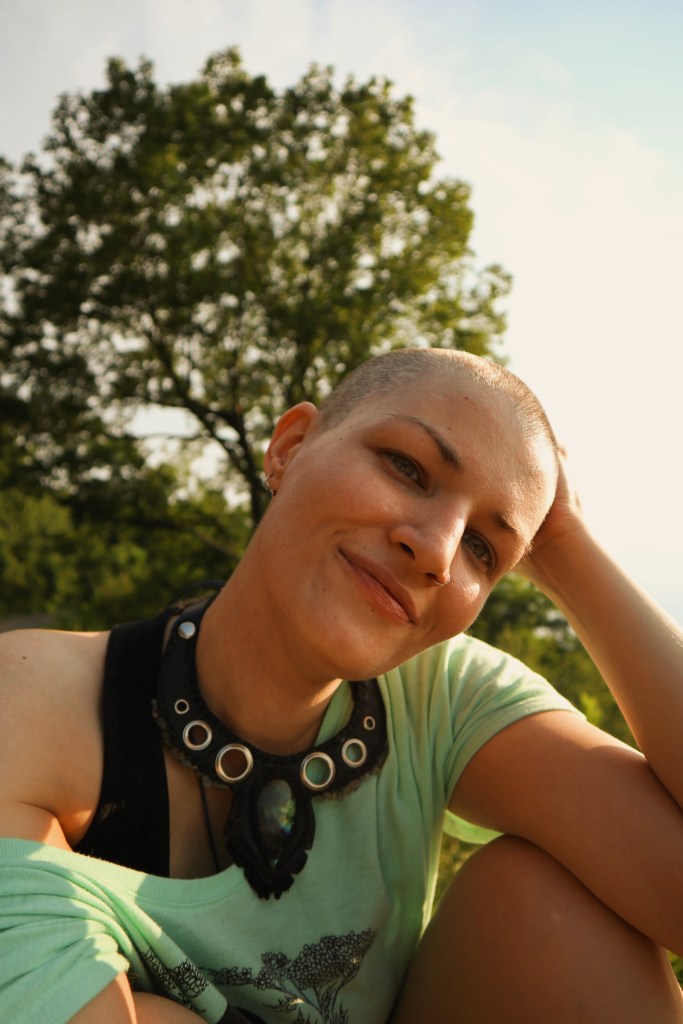
A photo of me, sitting in front of a tree. My head is completely shaved.

It takes a while to break a habit. I figured that, if I couldn’t suppress the desire to pull, I could get rid of my hair. Without weird hairs to pull out and reinforce the behavior (and addiction dynamic), maybe my brain could sort itself out.

I kept my hair buzzed for a few years. The trouble is, as soon as it’d start to grow back to a pluckable length, I was right back to hunting for weird hairs to yank out.

However, keeping my hair short and unpluckable did give my scalp a chance to recover, and that’s important.

Since shaving it completely and letting it grow back didn’t work the way I wanted to, I hit upon another potential solution: What if I just shaved the areas that I plucked the most? I wouldn’t have to commit to a full buzzcut if I didn’t want to, but I still wouldn’t be able to pull at the areas that I used the most.

Lo and behold, this finally seemed to work. Right now, I’ve got hair down to my shoulder on one side, and a full shave on the other. I make it work.

This might not be a great option for people who chiefly pluck from the crowns of their heads, but can definitely be a useful tool for those who pluck from the sides or bottom. For me, it’s been working very well.

Trichotillomania sucks, to be blunt. It’s hard to treat and can be a source of deep shame (particularly for women from cultures who highly value hair). It’s also not good for you, since it can damage your scalp and eventually cause your hair to stop growing back. There are a lot of options out there to help with the symptoms, but almost no effective permanent solutions. This is what worked and didn’t work for me, but you may find that your results are different. The important thing to remember here is that your hair doesn’t determine your worth as a person — whatever helps you live without anxiety, shame, and physical pain is worth pursuing, even if it isn’t a perfect solution to trichotillomania.

Neodruidry · Witchcraft

Traditional Healing Chants (also my blender tried to kill me)

Hello! I haven’t been around for like two weeks. Originally, I did plan to take a couple of days off for Yule, however one of my household’s Yuletide gifts was a hugely upgraded blender.

(To be fair, our bar for a blender upgrade was not high. The one we were using before cost, I think, six dollars at a thrift store. We used that thing until it flat out refused to be used anymore.)

Anyhow, long story short, fancy blenders do not always fit together the way that I assumed they would. They’re also way sharper than my old one. Yadda yadda yadda, the middle felt out, hit the side of my hand on the way down, and it took so many Steri-Strips to put everything back together. I’m talking a solid half-inch thick flap of hand meat. Enough blood for an axe murder. Half a box of strips. Most of a tube of some kind of fish glue that I’m told is supposed to seal cuts closed.

A large, flamey explosion. The remains of some kind of structure can be seen silhouetted in the flames.
A reenactment.

Anyhow, typing was problematic, so I took a little bit longer. I don’t generally keep a big bank of posts to drop automatically, hence there being no content for a little bit. C’est la guerre.

This seemed like a good time to talk about healing chants. I find these really interesting — they’re not quite sympathetic magic, since they’re just spoken words, but they do remind me a lot of certain forms of weather magic. In those, you pretty much go outside, pour water on the ground, and tell the sky to get its act together because it’s not like raining is difficult. Healing chants are essentially an instruction, telling bones to knit together, wounds to close, and blood to clot.

You can see this in the following healing chant, excerpted from Joanna van der Hoeven‘s The Book of Hedge Druidry (Spell for healing, page 274-275):

Bone to bone,

Flesh to flesh,

Sinew to sinew,

Vein to vein;

As Brighid healed that

May I heal this

This is far from a modern invention. The second Merseburg charm goes as follows:

Phol ende uuodan
uuorun zi holza.
du uuart demo balderes uolon
sin uuoz birenkit.
thu biguol en sinthgunt,
sunna era suister;
thu biguol en friia,
uolla era suister;
thu biguol en uuodan,
so he uuola conda:
sose benrenki,
sose bluotrenki,
sose lidirenki:
ben zi bena,
bluot zi bluoda,
lid zi geliden,
sose gelimida sin

“[B]en zi bena, bluot zi bluoda, lid zi geliden, sose gelimida sin” translates to “Bone to bone, blood to blood, joints to joints, so may they be glued.”

Similar healing spells are used to cast out “worms” (which may be literal parasites or maggots, or a way of conceptualizing infection in general). These use a similar “flesh to flesh, bone to bone, blood to blood” formula as the chants above, with the added step of sending the infection or infestation into an object — perhaps back into the object from which the wound and infection originated.

Interestingly, these chants are often called “horse charms.” Even the Merseburg charm above relates a story of how Uuodan (Odin), Sinthgunt, and Friia (Frigg) healed Phol’s (Balder’s) horse’s sprained foot. Of the surviving examples of these chants and charms, a disproportionate number of them seem to be for healing leg and hoof ailments in horses and sheep. (Charms for fixing blender accidents are conspicuously absent.)

This photo shows a crouched figure holding a horse hoof in one hand. It shows the relative tininess of the hoof and slenderness of the leg.
Four of these have to support an animal between 900 to 1400 pounds. It is not super surprising that there are a lot of charms for fixing horse problems. Even wild horses aren’t immune to issues — the life expectancy of a wild horse is, on the high end, about half that of a domestic one.

This form of charm isn’t exclusive to Europe, either. The Wikipedia article above cites an example from the Atharvaveda, hymn IV, that follows a similar construction:

 róhaṇy asi róhany asthṇaç chinnásya róhaṇî
róháye ‘dám arundhati
yát te rishṭáṃ yát te dyuttám ásti péshṭraṃ te âtmáni
dhâtấ tád bhadráyâ púnaḥ sáṃ dadhat párushâ páruḥ
sáṃ te majjấ majjñấ bhavatu sámu te párushâ páruḥ
sáṃ te mâmsásya vísrastaṃ sáṃ ásthy ápi rohatu
majjấ majjñấ sáṃ dhîyatâṃ cármaṇâ cárma rohatu
ásṛk te ásthi rohatu ṃâṇsáṃ mâṇséna rohatu
lóma lómnâ sáṃ kalpayâ tvacấ sáṃ kalpayâ tvácam
ásṛk te ásthi rohatu chinnáṃ sáṃ dhehy oshadhe

Here, “majjấ majjñấ sáṃ dhîyatâṃ cármaṇâ cárma rohatu ásá¹›k te ásthi rohatu ṃâṇsáṃ mâṇséna rohatu” translates to “Let marrow be put together with marrow, let skin grow with skin, let thy blood, bone grow, let flesh grow with flesh.” (Here is a further analysis from Sanskrit-linguistics.org.)

This charm is especially fascinating to me, because it means one of two things are true: Either this and the “horse charms” of Europe have a common, incredibly ancient root, or they’re an example of convergent cultural evolution. I’m inclined to believe it’s the former, but the latter would be really cool. I always get such a wonderful sense of eerie mystery when things like that happen, whether it’s culturally (everyone has some kind of bread) or physically (flight has evolved multiple times in unrelated organisms and nature tries to turn everything into crabs). It’s neat. It’s a little spooky. I love it.

Long story short, after a lot of Steri-Strips, gauze, fish glue, multiple recitations of a chant primarily intended to fix horses, and some healing time, my hand is operational again and normal content should resume next week unless I, I don’t know, get my head caught in the stand mixer or light my pants on fire again.

This is why my Handsome Assistant does the dishes, though.
I can’t be trusted.

life

Faces are more like dirt than you’d think, to be honest.

Let me preface this by saying that I’m not a doctor, and, more importantly, I am not your doctor. The approach I put in here is something I cobbled together by gathering skincare advice from multiple sources, and one that I think is kind of difficult to misuse to the point of doing real harm. That said, don’t use any of the recommended products if you’re allergic to them or they’re otherwise contraindicated for you. Be safe!

I don’t want to get into a long macrocosm vs microcosm preamble here, but it really is remarkable how much our own personal microbiologies resemble dirt.

I mean it. When land is cultivated, the soil appears to be mostly fine particles, like silt, sand, and clay. Its biology is bacteria-dominant, and there aren’t a lot of fungi around. If the land is left alone, annual weeds will give way to larger perennials, shrubs, trees, and eventually old growth forests. These drop layers of branches and leaves, fungal spores move in to break them down, and you get a rich layer of organic matter with its own diverse microbiome.
It’s fascinating stuff, if you’re a fan of dirt.
(I am.)

All of this is to say that the ground and the things growing in it are healthier when they can benefit from a variety of microorganisms, and so is your face. This is something I knew on a logical level, but seeing it play out is kind of another animal entirely.
Follow me here for a minute.

Just before Thanksgiving, I had a very minor surgery. It really wasn’t a problem — I was in and out in an hour, and all I needed was a local anesthetic. Afterward, I got a much-needed prescription for 300 mg clindamycin and was sent on my happy (if achy and puffy) way.

Though I am a huge proponent of herbal and traditional medicines, I also know that a lot of not-even-that ancient people died of things that are easily treatable today. Clindamycin is a lifesaver. If you’re like me, and members of the -cillin family are verboten to you, or you have an infection that’s resistant to other first line antibiotics, it may also be the only thing standing between you and a very bad outcome.

Despite its usefulness, clindamycin has always caused problems for me about a week or so after taking it. I feel a heat in my cheeks, which turns into a prolific, itchy, bumpy rash of tiny pimples. After this happened enough times for me, I attempted a tentative self-diagnosis: Malassezia folliculitis, also known as Pityrosporum folliculitis or fungal acne.

Malassezia is a genus of fungi that colonizes the skin of animals. It’s usually the opposite of a problem — under normal conditions, you don’t want your skin to be sterile. Like the microorganisms that live in your intestines, it’s part of a (hopefully) diverse biome where everyone serves their own tiny function.

A painting of several stern looking men in ruffled collars, dissecting a cadaver. Someone put a microscope in front of it for some reason.
I tried to find a picture of yeast, but Pixabay just kept showing me bread. This came up when I looked for “microorganisms,” though, so here you go.

Alas, problems arise when antibiotic therapy kills off the other microorganisms that compete with Malassezia. Since fungi aren’t affected by antibiotics, this leaves your skin completely at the fungus’ mercy. It’s the same reason why antibiotics often cause diarrhea. When they kill off your healthy gut biome, whatever pathogens that aren’t affected get to have a field day. The same thing that happens to your intestines can happen to your skin.

In the past, I used to just tank it. I’d deal with having a rash for a few weeks, and things would eventually get back to normal. I didn’t know why this happened, and nobody could really give me a good answer, but since it was self-limiting and I don’t often need antibiotics, I figured the itching rash was just a thing I had to deal with on rare occasions.

But not this time. If there was a way to keep from looking like the Toxic Avenger and feeling like I wanted to tear my own face off, I was all for it.

Turns out, there is a simple treatment for it: Fluconazole. Yay!

One of the potential side-effects of fluconazole is liver damage. Shit!

It can take care of a fungal skin rash pretty quickly. Yay!

It can also cause a skin rash. Shit!

Anyway. In the interest of not resigning myself to having to alternate an antibiotic and fluconazole every time I got an infection, I figured I’d try to take matters into my own hands. Luckily, I was successful.

So, how can you get rid of Malassezia/Pityrosporum folliculitis following treatment with oral clindamycin? With these:

  • A bottle of Nizoral shampoo.
  • A bottle of sulfur-based anti-dandruff shampoo.
  • A bottle of The Ordinary’s Niacinamide 10% + Zinc 1% serum. Don’t get it from Amazon — there are reports of people getting counterfeit or expired product, and it’s pretty fast and cheap to get from Ulta, Sephora, or The Ordinary as it is.
  • Fresh garlic.
  • Water kefir.
  • Turmeric and ginger tea.
  • The ability to tolerate a boring diet for a while.

I also had a bottle of Hibiclens left over for Reasons, so I figured I’d give it a try. I cannot recommend this, since a) Hibiclens isn’t meant to clear up fungal acne or b) be used as a facial cleanser, and c) you will feel like you’re huffing several dozen ruptured cans of Lysol if you ignore those two things and use it anyway.

Nizoral contains ketoconazole, an antifungal. Anti-dandruff shampoos contain a variety of other antifungals. Both of these are used in the treatment of Tinea versicolor, which is caused by Malassezia globus. Niacinamide helps regulate sebum production and is effective at inhibiting Candida albicans, a skin-colonizing yeast similar to Malassezia. (It hasn’t been tested against Malassezia specifically from what I gather, but I figured it couldn’t hurt.) Similarly, turmeric has been shown to inhibit the growth of 22 fungi species, also including Candida.

You can use Selsun Blue or Head & Shoulders instead of the sulfur shampoo, if that’s what’s available to you. Selsun Blue and clinical strength Head & Shoulders contain selenium sulfide, which is an effective antifungal. Selenium sulfide has been found to be carcinogenic in rodents, but this was after it was administered orally. Since selenium sulfide isn’t absorbed through healthy skin, shampoos containing this ingredient are considered safe. However, if you have broken skin, you can end up absorbing some selenium sulfide because your skin’s barrier is compromised.

So, armed with an array of shampoos and assorted other things, I started a multi-pronged approach that focused on reducing the level of Malassezia topically and internally, and repopulating me with competitive beneficial bacteria. Kind of like removing noxious weeds before seeding a healthy, diverse garden.
Here’s what I did:

  1. In the morning, I washed my face with either the Nizoral or the sulfur shampoo. I followed this immediately with the niacinamide serum.
  2. In the evening, I’d wash my face again with whatever shampoo I hadn’t used in the morning. I’d let it stay on my face, like a mask, for about three minutes before rinsing. I’d follow this with more niacinamide.
  3. I severely reduced the amount of sugar I was eating. Microorganisms can’t get enough of the stuff.
  4. I ate raw garlic. This was probably not strictly necessary, but I felt like it couldn’t hurt.
  5. I drank water kefir. This is a probiotic. If you make it yourself, and don’t back sweeten it, it can also be very low in sugar. (About 3g a serving.)
  6. I drank two to three cups of turmeric and ginger tea a day.
  7. I didn’t load my skin up with other products. Some moisturizers and serums contain ingredients that fungi can feed on, so I wanted to avoid them.
  8. I slept on my back. This kept my skin away from my pillow. Even with changing the case every day, I felt like this offered some added safety.

Now, neither Nizoral nor other dandruff shampoos are intended to be used as face washes. They do contain ingredients like fragrance that aren’t great for your skin, but, as someone with incredibly sensitive skin, I can also offer the opinion that Malassezia is worse. They’re also designed not to be actively harmful to your skin, since they end up there anyway if you use them to wash your hair.

Since I’d already started a breakout when I began this treatment, I couldn’t avoid dealing with Malassezia entirely. Nonetheless, this did make it a lot shorter and less severe. (Like, three to four days of a mild rash instead of two weeks of looking like I’d fallen into some kind of TMNT-style mutagenic ooze.) Also, no liver damage.

As much as I wish I didn’t have to do this, there’s sometimes no other choice. If I didn’t use clindamycin, I was at risk of death. This meant that I had to try to control the microorganisms it didn’t kill off, and bring myself back into balance. This approach helps reduce the number of pathogenic Malassezia and repopulate my body with all the little guys that’re supposed to be there.

animals · life

Puppies, Pies, and Paranormal Problems.

You know, a lot of people go outside and play a game on Thanksgiving. Parents of younger kids might take them out for a rousing game of catch. Teens and adults might play a little touch football in the back yard. It’s pretty common.

It is less common to spend what feels like several hours pursuing a small, self-propelled football, while everyone involved is about a picosecond away from a collective panic attack.

I don’t have any family in the area. For a long time, neither of us did. Holiday meals were either made up of whatever we felt like cobbling together, whatever delivery place was open, or a smorgasbord of unrelated snacks, straight-up goblin-style.

My Handsome Assistant’s awesome aunt and uncle moved just a few hours away not long ago, so we’ve been spending more holidays there. They have a lovely house with a big yard and plenty of spare bedrooms, on a small, peaceful road surrounded by farms. Inside this house is a pair of adorable and very sweet Yorkie/toy fox terrier mixes, as well as a rather petulant ghost. Almost two petulant ghosts, but I’ll get to that in a minute.

This Thanksgiving, we made the drive up with a gallon of homemade meadowfoam mead and a vegan pumpkin pie (made using this recipe from Chocolate Covered Katie and some of our mysterious yard pumpkins).

Now, the older of the two dogs has a habit of running off. They’re both small enough that using an Invisible Fence would be problematic, so they’re carefully supervised and let outside in a movable pen.

All of this is a long way to explain that, through a convoluted set of circumstances involving a basement, a grill, and the Maryland Renaissance Festival, the older dog snuck out. He saw this as the opposite of a problem, since he had a house full of people (and eventually several neighbors and neighbors’ dogs) to play tag with. However, everyone else involved had… mixed feelings about the situation.

I don’t know how long I spent chasing that dog down, calling his name, running through strangers’ yards in hot pursuit of a football-sized creature in a little blue sweatshirt. The cold squeezed my wheezing lungs until the edges of my vision got gray and fuzzy. Eventually, everything looked like tiny dogs: gas meters, squirrels, shrubs. A few people offered me rides as they drove around looking for him, but I turned them down — it seemed like it’d be helpful to have someone on foot who could duck into even more strangers’ yards if need be.

He made it all the way down to the nearest main road and disappeared from view, so I ended up walking down the middle of the street just in case he darted out again. This seemed like a perfectly reasonable thing to do at the time, because my oxygen-deprived brain figured that speeding drivers would a) notice me sooner than they’d notice a tiny dog, and b) would probably slow down to avoid committing vehicular manslaughter. At that point, I was rapidly coming to the conclusion that Doc Martens are less than ideal as a running shoe, so I also figured that being hit by a car would likely hurt less and I’d get to lie down for a little bit. Having been hit by a car before, this seemed sound to me.

Through some miracle, we all managed to tire him out. (Hey, humans are pursuit predators, right?) Four people formed a kind of pincer attack, and my Handsome Assistant performed some kind of acrobatic tackle and swoop maneuver that resulted in my Assistant on his back, one arm upraised, and a very upset tiny dog in his hand. Like a meatball sub with opinions.

Dog snared, we went back to the house. My lungs eventually calmed down enough for me to get a full breath again. There was ham, turkey, sausage, smoked vegetables, mashed potatoes, macaroni and cheese, green bean casserole, cranberry sauce, candied yams, and biscuits. There were also four kinds of pie and a cake.

We played a guessing game that was half charades, half “Name that Thing.” It involves writing down random words, putting them in a bowl, and drawing them out one by one. In the first round, the person reading can describe a word, but not say it, while their teammates guess. In the second round, the reader can only use gestures. In the third, the reader can only use one word.

In our defense, my Handsome Assistant and I didn’t originally know how this game worked when we were coming up with words. The game itself was hilarious, but you don’t know pressure until you have to figure out how to convey “imbroglio,” “Steven Seagal,” or “Azerbaijan” purely through interpretive dance.

A long, unanticipated aerobic session and eating my weight in potatoes and pumpkin pie made me sleepy, so after the Macy’s parade and Dolly Parton’s halftime show, I was ready for bed.

The bedroom, however, was not.

I’ll be honest with you; I’m used to being woken up multiple times a night. Kiko needs to eat special food and refuses to do so until and unless she has received tiny kisses on the forehead. Having my sleep interrupted is pretty much whatever at this point.

Nonetheless, there’s an enormous difference between being woken up by a tiny paw gently tapping my forehead, and the repeated crashes of something absolutely flinging the shit out of everything on the nightstand. It’s not like I placed a valuable and unsecured antique marble collection up there, either. There was no reason for anything to just… roll off. There was especially no reason for it to hit the floor like Tom Brady crawled out from under the bed just to spike it. Half of the time, I hadn’t even fallen back to sleep yet.

I wasn’t in the mood. I’d already missed seeing the Snoopy float, the absolutely bonkers amount of pie I’d eaten was giving me indigestion, and I had a blister on the back of my heel that was big enough to need its own social security number.

“Knock it the fuck off,” I grumbled, unaware of the irony of this statement. A mostly empty tube of lotion slammed down like… I don’t know. A thing that’s extremely extra affected by gravity. I pulled the pillow over my head.

Next year, I’m bringing my ghost box and a pair of jogging shoes.
I’m not getting caught out again.

Witchcraft

The Wheel of the Moon

I’ve mentioned before that I’m a big fan of the Wheel of Life exercise. I was introduced to it by my psychologist, and I found that it was a) really helpful and b) fun. I like lists. I like charts. I like ways to visualize data, and that’s pretty much exactly what this exercise does. It’s also really flexible and customizable.

This last bit is why I’ve made it part of my full moon observations. I light a candle (a handmade full moon candle from the wonderful 13 Magickal Moons in Occoquan, VA) and some incense. I draw the wheel. I section it off and label it however is most fitting. I make the assessments, I draw the lines, and I compare the shape with the shape of the previous month.

The full moon rising behind some pines.

It’s a meditative exercise that helps me to acknowledge the changes I’ve made from month to month, because I can see them right in front of me. It highlights areas that need help, so I can use the power of the full moon to change them. By doing the wheel monthly, instead of every few months, it makes it easier for me to make incremental changes (and keep tabs on things like The Ennui).

It’s also useful for relating to the cycle of the moon. Even at the height of its power, the full moon heralds its own decrease. By that same token, the waning moon promises future growth. Looking at the Wheel of Life shows what has grown, what hasn’t, and, if need be, what should be pruned.

Below is a simple ritual outline that just about anyone can use to help better their physical and mental health, improve their relationships, and generally pull off a whole-life glow up.

You will need:

  • A pen or pencil.
  • A piece of paper with a circle drawn on it.
  • A candle, preferably in white or silver.
  • Incense. Ethically harvested sandalwood, myrrh, white rose, bay leaf, or lemon balm work well here.
  • If this isn’t your first time performing the ritual, you may also want to have a fireproof bowl.

First, consider the areas of your life that you wish to focus on. This could be your physical health, mental health, physical environment, friendships, family, love life, career, spirituality, creativity, or anything else you desire. Count up how many areas you want to work on, and divide the circle up into that many sections — like a pie chart. Alternatively, you can use an online Wheel of Life creator.

Think of each area carefully. If you had to rate that area of your life from 1 to 10, what would you rate it? Pretend the center of the circle is zero, and the very edge of each slice is 10. Draw a dot roughly corresponding to the numerical rating you choose for each section. Connect these dots with lines, and you should have a kind of asymmetrical star shape.

Here’s an example from Wheeloflife.io’s generator.

This is your Wheel of Life. It’s a visual representation of how you feel about things right now. Look at the areas where the shape is most lopsided — this is where you feel your life needs the most help at this moment. For example, if you rated “family relationships” at a 7, and “career” at a 3, “career” would be the area to focus on.

Now, light the candle and the incense. If you can, place the Wheel of Life in a spot where the full moon’s light can fall on it. If not, observe it under the candle’s glow.

White candles, burning.

Say,

“See the moon’s glow, charging the Wheel.
My life is unfolding, with each turn I feel.
Full moon energy, guide me this night.
Transform me, renew me,
With your radiant light.”

As you meditate on your Wheel, consider what changes you can make to the areas of your life that need the most help. What can you do within the next week? The next two or three weeks? The next month?

Come up with three simple actions you can do over the next week. They can follow the energy of the waning moon, but they don’t necessarily have to.

Come up with three more that you can do over the next two to three weeks.

Finish by coming up with three more that you can complete by the next full moon.

Save this Wheel. Place it somewhere where you’ll see it often. Refer to it as many times as you need to in order to keep yourself motivated and on track.

(If you like, you can turn your actions into statements of intent, and use your preferred method to further empower them. Turn them into sigils, shorten them to symbols and inscribe them on candles, and so forth.)

If this isn’t your first time performing this ritual, then take out the last full moon’s Wheel.

Take a moment to compare this full moon’s Wheel to the last one. What progress have you made? What seeds have you sown, and what have you reaped? Give thanks for any advancements you’ve made, no matter how small.

A crackled clay firebowl filled with burning herbs. A small pile of herbs sits in the foreground.

If you wish, you can light the last full moon’s Wheel in the candle’s flame and drop it into the fireproof bowl. Scatter the ashes on the wind.

life · Plants and Herbs · Witchcraft

Relieving Pain by Means Magical and Mundane

Hello! The inside of my face has been replaced with centipedes.

… Okay, fine, but that’s what it feels like.

Friday, I had a minor surgery (which, depending on how things go, may end up being the first of several. Sigh). This would not be a deal for most people, let alone a big deal, but things get complicated afterward when you have a very limited list of pain relievers that you can safely use. So, I figured I’d write this handy-dandy guide for other people in this position.

Why might someone have trouble getting pain relief? A lot of reasons. Some people avoid them because of a personal or family history of addiction. Some medical conditions, like breathing problems, preclude the use of specific types of pain killers. Some medications don’t combine well with them, either. In my case, too many pain meds manage to raise cerebrospinal fluid pressure, have a reduced effect when combined with an SSRI, and increase the risk of serotonin syndrome. This underlines the importance of disclosing everything to your doctors — your past and current medical conditions, every medication you’re taking, the whole lot. They’re not there to judge you, they’re just there to make sure you don’t die.

Anyhow, there are herbal, mineral, and magical means of coping with physical pain when everything else is contraindicated. These shouldn’t take the place of appropriate pharmaceutical pain management when that’s a) available and b) necessary, but can definitely help take the edge off when that isn’t an option. As with any herbs, don’t use them if you’re allergic to other plants in the same family, or if you’re on other medications that might interact with them. A lot of plants that relieve pain are also relaxants, so be mindful that they may make you drowsy or slower than normal. If you have an upcoming surgery, ask your doctor if these herbs are safe to use in the days running up to your operation.

Ah, chamomile. My number one solution to so many of life’s problems. It’s relaxing, it helps me sleep, and it’s surprisingly good at helping with pain.

Here, we’re talking about both German (Matricaria chamomilla, also known as M. recutita) and Roman chamomile (Chamaemelum nobile). One study found that a topical gel of 3% chamomile extract helped with pain from oral mucositis induced by chemotherapy. A clinical trial quoted in this same study showed that chamomile, when inhaled, reduced cesarian pain. Other quoted trials demonstrated a very helpful anti-inflammatory effect, as well.

Chamomile flowers floating in a cup of tea.

When I need chamomile to do more than help me relax, I prefer to use a tincture. It seems to work faster and provide more relief than tea alone (though a nice cup of iced, double-strength chamomile tea certainly has its place). A few drops of chamomile tincture are also great at soothing toothaches and mouth sores.

Chamomile essential oil is also helpful in an aromatherapeutic context (the way it was used in the cesarian surgery pain trial), but isn’t absorbed all that great. Topical applications of chamomile oil were much more effective when they were blended in a nanogel to aid absorption.

Lemon balm, Melissa officinalis, is best known as a relaxant and digestive herb. Some people use it for pain relief, but structured research is limited in this area. Still, if you’ve experienced pain that has kept you up at night, you probably know the value of something that can help you get to sleep.

Lemon balm, like chamomile, is also anti-inflammatory.

As a word of caution, lemon balm can be powerful. I don’t really get sleepy from chamomile, but a cup of lemon balm tea can knock me out. Be cautious when using it with other herbs or medicines, and don’t use it when you need to be alert.

Turmeric is an anti-inflammatory herb that I initially started using for joint pain. Combining it with black pepper, specifically the compound piperine, helps to make turmeric more effective. Piperine isn’t very soluble in water, though, so preparations made with isolated piperine usually involve extraction using solvents like dichloromethane.

Personally, I use turmeric and ginger tea all of the time. I feel a difference when I don’t. (If I’m having a rougher day than usual, it’s often because I’ve been skipping my tea by accident.) These plants are actually related, and they have some overlap in their medicinal effects.

A wooden spoon and glass jar of turmeric powder.

Turmeric and ginger are the kind of herbs that are better for chronic pain, not acute pain. Think of it like this: If you deal with joint pain on the regular, turmeric and ginger may be a big help. If you currently have a headache, you’re better off reaching for something else.

Got a toothache? Clove oil (Syzygium aromaticum) is your buddy… at least, if you’re an adult.

A drop or two of this stuff, diluted in a carrier oil, placed on a cotton bud, and swabbed on the affected tooth, can help halt tooth pain in its tracks with amazing efficiency. It’s effective for making cavities and broken teeth less agonizing until you can get to a dentist. One of the compounds in clove oil, eugenol, is even used to help manage the pain from alveolar osteitis (dry socket).

As a note of caution, clove oil is potent medicine. Use it straight, and it can burn the absolute tits out of your mouth. It can also be toxic in large doses. For children, a “large dose” is not a whole lot, so it should never be used to sooth teething babies. Clove oil can also be bad for people with liver disorders, unstable blood sugar, or who are taking anticoagulants. While a drop or two isn’t going to harm a healthy adult when used properly, it’s worth knowing this stuff and treating cloves with respect.

It’s also important to use real clove oil. Make sure the bottle says that it’s 100% essential oil from the appropriate species of tree. (Don’t worry about qualifiers like “therapeutic grade” — there are no regulatory bodies that determine this, it’s just a marketing term). Avoid products labeled “fragrance oil.”

No clove oil? Mash a little ground clove spice with warm water and apply the paste instead.

If you have a toothache and clove oil isn’t an option, biting down on a piece of raw garlic can help. Chew it until it’s soft, and let it sit on the affected tooth. If you don’t want to chew on raw garlic, mush it into a paste with a spoon or mortar and pestle, or grate it first. The important thing is to let it sit on the aching tooth.

From my experience, garlic doesn’t relieve tooth pain quite as effectively as clove oil, but it can be safer for some people. If you’re really struggling, you’re about at your limit with swabbing clove oil in your mouth, and you don’t have any chamomile tincture, garlic is definitely a solid runner up.

This is all purely anecdotal, but I’d feel remiss not to include it. I have a satin spar wand — nothing fancy, just an unpolished, rectangular hunk of gypsum — which has come in handy time and time again for pain related to intracranial hypertension. As it turns out, a number of pain relievers are associated with increased cerebrospinal fluid pressure, so there’s often not much you can do to deal with the crushing pain.

I get it the worst right at the base of my skull, as do a lot of people. I’ve found that lightly pressing a piece of satin spar to that spot really helps. Oddly enough, other massage wands don’t. Neither do other crystals. Honestly, even ice packs are a bit hit-or-miss.

Should you throw out all of your NSAIDs and stock up on satin spar? No, I don’t think so. But satin spar wands are common enough that, if you’re reading this, it’s likely that you already have one. If so, it may be worth giving a shot. It certainly has been for me!

I have a lovely bit of chlorite quartz that came from Ireland. It’s very clear, save for a bloom of deep green in its heart– like a cluster of fluffy moss.

A lot of guides attribute healing properties to chlorite quartz, but these are pretty vague. “Healing.” “Emotional healing.” “Detoxification.” Interestingly, I haven’t seen it used for relieving pain, though I have seen more than one site make the wildly irresponsible claim that it’s good against serious, potentially lethal health conditions like cancer and heart disease.

I discovered by accident that the particular specimen I mentioned is helpful for headaches. Holding it in my dominant hand has stopped one in its tracks on multiple occasions, to my delighted surprise. As someone who has headaches of varying severity on a daily basis, anything that can put the brakes on one is nothing short of miraculous.

One old remedy for tension headaches involves taking a knife (preferably one with a broad, pointed blade, like a chef’s knife) and holding it against the head. The user is then instructed to take the knife outdoors and stab it into the ground, while declaring that the headache is now sent into the dirt for the Earth to deal with. Even if you don’t necessarily believe in the power of sympathetic magic, the coolness of a piece of metal can help ease a mild headache, and the psychological benefits of this exercise shouldn’t be overlooked.

Other remedies involve transferring illness to objects like candles, then burning them. These are just as valid, but take a bit too long for my taste. If I’m having too much pain to sleep, the last thing I want to do is babysit a burning candle for several hours!

Pretty much everyone knows about using ice and heat to help relieve inflammation and pain, but setting up the right temperature gradient can turn that relief up to eleven.

When it comes to headaches, warming your feet while cooling your head can be a huge help. This helps increase blood flow to your lower extremities, while narrowing vessels in your head. If you have the kind of throbbing headaches that are triggered or made worse by heat, this can really improve things by a surprising amount. A warm footbath and an ice pack on the back of my neck can be an absolute lifesaver sometimes.

It’s really not uncommon for people to end up in a situation where their pain relief options are limited. This list isn’t to suggest that herbs and crystals can substitute for, say, a morphine drip for a terminally ill person, but to hopefully offer some ideas for people who, like me, don’t really have safe, effective options available.

life · Neodruidry

Happy Samhain!

It’s New Year. Halloween. Samhain. Whatever you want to call it, it’s when the “veil is at its thinnest,” children ignore everything they’ve been told about not taking candy from strangers, and the leaves are at their peak here.

This year, I’ll be celebrating Samhain with other Neodruids for the first time. That’s not all, though — after our ill-fated trip to the caverns, my Handsome Assistant and I decided to go somewhere that was the complete antithesis of a cave.

The mountains.

An image of a nearly-full moon rising over the Shenandoah mountains. The sky is shades of deep pink, blue, and lavender.

We took a road trip down Skyline drive to go leaf snarping. It was unseasonably warm, but the elevation made it quite a bit cooler. The leaves were brilliant, and the air was full of the earthy, musky, spicy-sweet smell of decomposing foliage. The strange bit of warm weather we’ve had meant that there were still some wildflowers clinging to life, bringing even more color to the already-saturated landscape. It was near sunset, so the nearly-full moon was shining just above a bank of bright pink clouds. The landscape looked like a Klee painting, the sky was a vaporwave album, and the air was filled with a smell a perfumer could only dream of replicating.

The moon peeking over a cloud bank at sunset. Below, there's a view of the mountains covered in trees in brilliant shades of red, orange, and gold.

It was pretty nice. Especially after the cave incident.

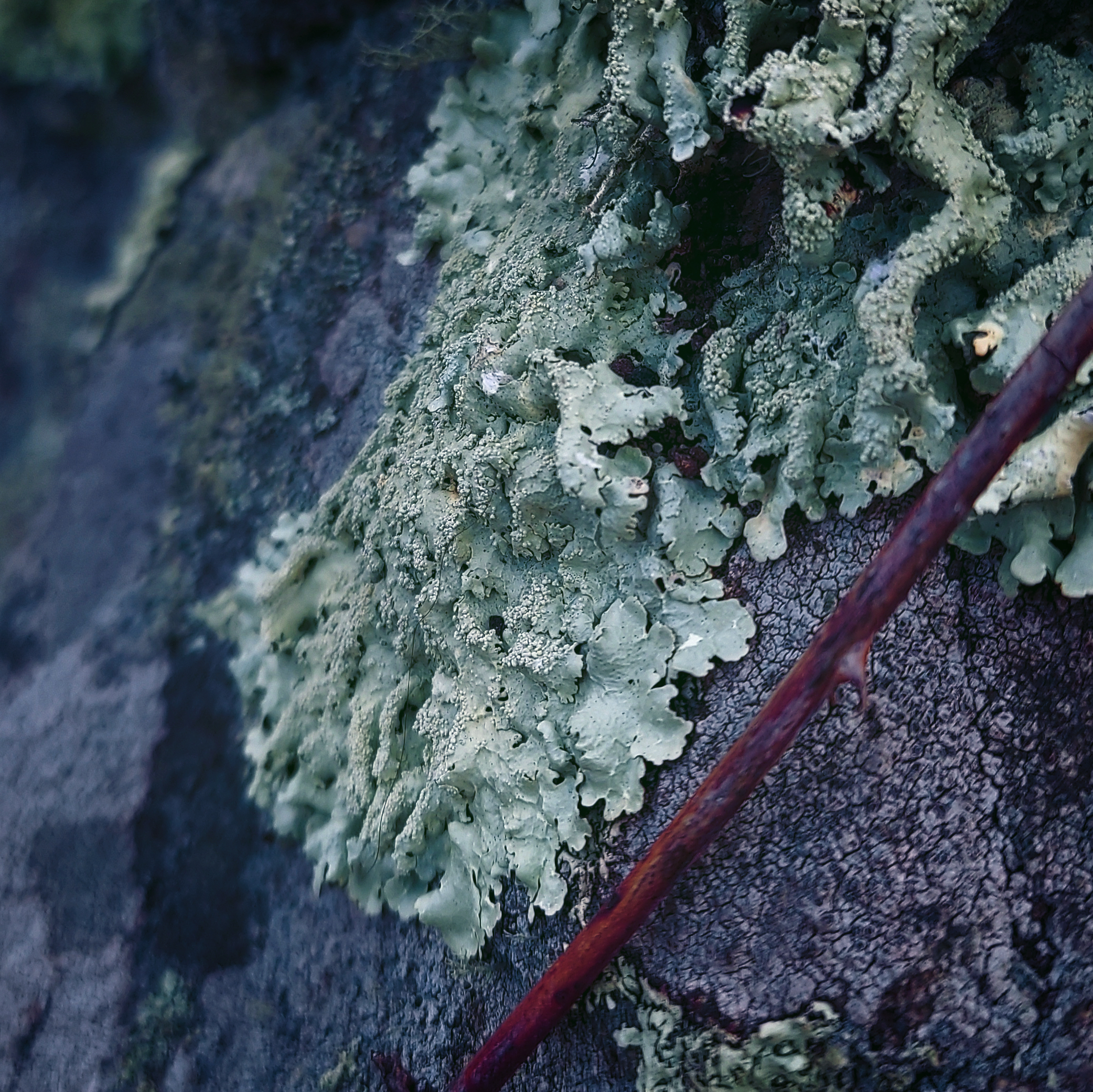
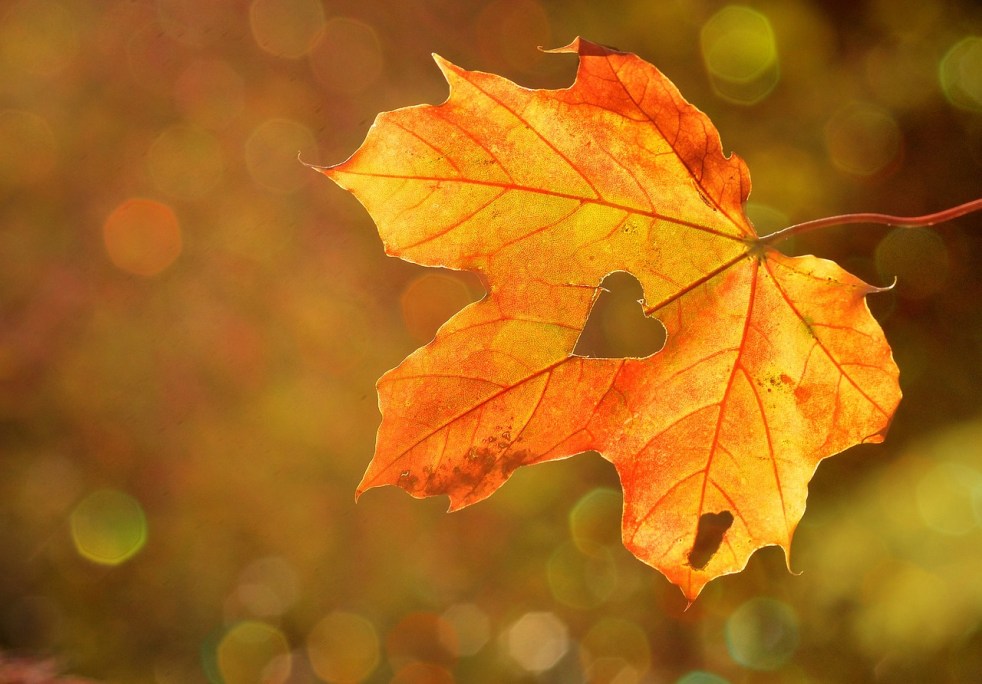
My Handsome Assistant teased me gently for taking tiny pictures. Snaps of an individual leaf, or a really interesting piece of lichen. I do that a lot. The larger landscape is fascinating, but the way the sun seemed to melt through the spaces in the trees backlit the leaves and made them glow like flames.

I took a special research elective in high school, where we had to report on abstracts of other research studies, then formulate our own. My teacher remarked that I mostly seemed interested in the extremely macro and micro — either the far reaches of distant galaxies, or the inner workings of organelles. Not so much the stuff in between.

(My experiment was about teaching hamsters to differentiate between different symbols and was in no way a way to get the school to pay for me to have several hamsters and hamster supplies, I promise.)

I feel like this is still reflected in the kind of pictures I take and the things I paint. I like to focus closely on a small individual subject, or on a very large landscape. It is also why I think I get so bored by portraits or character reference sheets.

A road curves around a hill and into a forest filled with orange, red, and green trees. Some boulders stud the hillside in the foreground.

Today, I’m making some roasted vegetables to share at a potluck. (And possibly some bread — I’ve been slacking on baking lately — or lentil pasta in pumpkin cream sauce.)

This Samhain, I’m also focusing on all of the rad things I want to do next year. Stuff’s winding down, but it’s still warm enough to be active. I’m also filled with creative energy right now, so it’s time to plan, save, and sow for spring. My Handsome Assistant and I just planted a plum tree (surrounded with some bulbs, for the bare beginnings of a tree guild), black raspberries, and swamp milkweed before the ground gets too cold to dig. We still need to prune the apples and get everyone else ready for winter, but we’re well on our way to a happy and fruitful spring and summer.

Here’s hoping all of you can get out to do some leaf snarping of your own and have a very good Samhain.

life

The bowels of the Earth are not great places to discover that you’re claustrophobic, tbh.

So, my Handsome Assistant and I took a bit of a staycation. Our original plan was to stay in a lovely (and haunted) bed and breakfast in Cape May, but we decided to put that trip off until next year and do more local activities.

One of those was visiting Luray Caverns.

I’ve wanted to check it out for a while. I like the idea of exploring caves. We didn’t really have them around where I grew up, so my friends and I compensated by finding unguarded drainage culverts and having many adventures in the glorious sewers of Long Island. I covered miles upon miles of that place, completely underground.

I had some reservations about Luray at first — not because I’m scared of caves (how much worse than a sewer can they be?) but because a lot of the reviews pointed out that the owners seemed to be more concerned with making money by packing as many people into the place as possible versus protecting and presenting the natural features of the caverns.

Still, we were planning on going in the middle of the week. It seemed kind of doubtful that we’d have massive throngs of people to contend with, so the crowd thing didn’t really worry me.

I did not, however, realize that my biggest problem would be air.

Let me be totally upfront with you — still, heavy air is an enormous panic trigger for me. It makes me feel like I can’t breathe. Like my lungs are working to pull air in, but not enough is actually moving. A lot of caves still have air flow patterns, governed by changes in air pressure and temperature. Caves with multiple entrances can even have breezes as fresh air enters and pushes old air out. I figured it’d be okay. Can’t be worse than a storm sewer, right?

We were somewhere on the banks of Dream Lake when the adrenaline began to take hold.

A photo of a cave filled with stalactites and stalagmites. The center is a very still pool of water, perfectly reflecting the cave ceiling.
Dream Lake. The water here is so clear and still, it perfectly reflects the stalactites above.

The closeness of the space, the thick, humid air, and the lack of any kind of movement got to me. It got to me bad. I felt a hot flush in my cheeks, tingling down both my arms, and a heavy feeling in my chest. Sweat prickled over every inch of my skin. I turned to my Handsome Assistant.

OkayIneedtogooutside.

Another formation, primarily of stalactites. One group has grown down to meet the stalagmites on the cave floor, forming a long, continuous pillar.
Pluto’s Ghost.

We turned around and started heading back in the wrong direction. Luray is arranged so that, once you’re in, the only way out is through. Fortunately, we weren’t super deep in and there weren’t large crowds. The walk back felt like it took forever, but we made it back out to breezes, space, and sunlight.

As far as the caverns themselves, they’re strange and beautiful. A lot of the formations have been damaged by irresponsible patrons, but many of them are still “living.” You can see water dripping. You can see the patterns of growth and erosion forming in real time. You can see the bright orange of deposited iron oxides, the white of calcite, the greens and blues of algae blooming from the lights in the cave.

A photo of the cavern ceiling, showing dripping stalactites pointing straight down.

I do agree with a lot of the reviews that criticize the ownership, however. For example, you enter and exit through the gift shop. While this may have been a matter of practicality in the beginning, they’ve recently excavated a new entrance and probably could have done so in a way that would’ve made the shop’s traffic patterns a bit easier to manage.

There are also a lot of very tight areas. People mentioned having to stand shoulder-to-shoulder and shuffle along the entire length of the caverns, which can be tough to manage with small, antsy children. One reviewer’s daughter experienced an asthma attack, and still had to go through the entire length of the caverns because there was no way to get her out otherwise. Things weren’t nearly as crowded when we went, but, again, we were able to go on a weekday. Scheduling a trip for an off-peak time seems like it makes everything a lot easier.

Would I go again? I don’t think so. Even though we weren’t there for very long, I feel like we got enough out of the experience. I also wouldn’t want to chance being there with a large crowd. Has this experience turned me off of caves in general? Also no. If anything, it’s made me more interested.

I just need to have a good escape plan. You know, just in case.

Just for fun · life

“ANTLERED CREATURE! WHERE ARE YOU GOING?”

This past Saturday, my Handsome Assistant and I attended Raven’s Night at The Birchmere. It was kind of a spur-of-the-moment thing — when I’ve got downtime, I crack open the websites for some local theaters and concert venues, send my Assistant whatever looks interesting, and we get tickets more or less at random. (It’s how we ended up going to a late-night showing of Inu-Oh and getting pretty much the entire theater to ourselves.)

And so, we found ourselves at a theatrical Halloween belly dance show. To our chagrin, we arrived too late for the magic show, carnival, costume contest, and tarot readers, but we did get there in time for the dancing itself. I ended up talking to a very lovely woman about gemstones for a bit before we sat down, then my Handsome Assistant and I ordered some drinks and found a seat off to the right side of the venue, near the wall. With just a few minutes to go before the show started, I excused myself to sneak to the restroom.

Here’s the part where I should explain that, even though we didn’t arrive in time for the costume contest, I still dressed up. It wasn’t much of a costume — a cashmere and silk paisley caftan, a shawl in a different paisley, and a feathered mask of a deer skull from Higgins Creek. (Which, by the way? Perfect for occasions like this. It can double as a mask or hat and is equally comfortable either way. Move it out of the way to drink or see better, and slip it back into place when need be. Like I said, perfect.)

Anyhow. I slip out of the seating area to the one place where I knew there was a restroom — the other side of the venue. I was maybe halfway there when I heard a voice behind me.

“CREATURE!”

I couldn’t really make it out, though, and also I was in a venue full of people in costumes.

“ANTLERED CREATURE!”

Oh.

“WHERE ARE YOU GOING?”

I returned to the direction of the voice, where a very nice security person pointed out that there were restrooms right next to the seating area. Right under a large red sign marked “Restrooms,” in fact. Whoops. (Side note, masks are also excellent for navigating socially awkward situations.)

The show itself was an excellent time. The highlights, for me, were almost too numerous to name. There was a beautiful performance by Taschen*. Another mesmerizing allegorical depiction of prudence by Irina Akulenko*, Han Chen*, and Stephanie Cheng*, with costumes and movements that seemed almost reptilian. They started fully veiled, slowly raising their veils to show three faces each — one mask for the past, one for the future, and their own faces for the present. (After a point, it was almost impossible to tell which face was the “true” one.) Raqs al Taneen gave a gorgeous, gender-bending interpretation of what would’ve happened if Sarah had never escaped the Labyrinth. Morgana blended dance, animal mimicry, and martial arts in a dance that seemed half theater, half ritual. Spirit of Ma’at* was a high energy celebration. There was sword dancing, drag, costume transformations, erotic poetry, and some really unique and interesting sound design.

(*Unfortunately, searching did not yield websites or social media profiles for these performers. If you happen to know if they have web presences I can link to, please let me know.)

Like I said, it was a good time. Parts of it reminded me of reading about Aleister Crowley’s theatrical rituals (for which he actually received reviews from theater critics). Some performances adhered more to the masquerade theme than others, but all of them brought their own stories to tell through costume, music, and movement.

As it gets colder, my Handsome Assistant and keep busy. We just shift away from camping and fairs and move indoors. All told, Raven’s Night was a hell of a way to kick off our autumn and winter activities.

life

Gonna take this cold on Antiques Roadshow.

Hello! I went to the Maryland Renaissance Festival yesterday, and I think I’m dyin.

Okay, not really. I did do much more than my accustomed amount of walking, though, and it was one of those days that seems to alternate between toasty and very chilly, which is pretty much guaranteed to give me a headache. By the time I got home, I felt like I’d been run over. (And I’ve been run over.)

My Handsome Assistant and I make a point to go to at least one Ren Faire a year. In my case, I think it’s genetic — my dad was very into that kind of thing, to the point where he actually made his own armor and chainmail. There’s a baby picture of me, bare-ass naked, with an adult-sized morion helmet on. He had a collection of swords. (I think it was one of the many bones of contention in my parent’s marriage, which is why I’m also glad that my Handsome Assistant and I can agree that swords are cool and a large knife collection is a good thing to have. But I digress.)

This year, we met up and hung out with our Druid group. Well… as much as its possible to “meet up” and “hang out” at any large event like this. Even times when I’ve gone there with groups of friends, everyone ends up splitting up and meeting periodically throughout the day. This was no exception. We met up to go to the Bee Folks, then got separated when my Handsome Assistant got sidetracked by a sculptor and I went to go find him. We met up again, later, when everyone else was watching a band play and he and I were looking for somewhere to sit down for a bit.

The two of us bought some artwork and some sculptures for the garden, pounds of specialty honey for mead brewing, more specialty honey because it’s delicious, and a large bag of honey candy for cold season. I found a shirt I liked, he found a pauldron he liked, and so we continued the tradition of adding one piece or so to each of our costumes every year. It was fun, the food was good (there were even options for herbivores like me), the music was good, and I had a good time, as always.

The following morning, though? Woof.

I have one working nostril, and my lungs appear to have accumulated several pounds of Substances throughout the evening. COVID tests were negative, so I’m pretty sure I’m just dealing with a regular vintage cold. A bit of stuffiness from the before times, if you will. It almost makes me miss being on massive doses of Diamox — it altered the pH of my blood to the point where I never got sick. This also meant that I had chloride acidosis pretty much constantly, but still.

It’s a good thing we got all of that honey.

Now, I’m settled in with warm blankets and a wonderful-yet-incredibly-impractical mug which I love. It’s massive and great for when I feel sick, but the handle is goofily small. It used to have a gold image of a crystal ball on the side that said, “Your Future is Bright!” but an accidental trip through the dishwasher has rubbed off the gold until all it says is “Ufb.” Which, to be fair, is usually exactly how I’m feeling when I most want to use this mug.

And so, for the time being, I am taking naps and doing my usual autumn cleaning. I also have a raised bed that I’d like to plant with cold-weather crops, but I haven’t decided what I want to plant yet. (After last year, I’m probably not doing kale again. There were so many seeds, and there’s volunteer kale everywhere now. I even saved half a jam jar of broccoli/kale/some kind of hybrid seeds for growing microgreens, so I am full up with brassicas.)

Here’s hoping everyone else is successful at staving off autumn and winter bugs.