Plants and Herbs

Lemon Folklore and Magical Properties

Lemons have a rich history of folklore and magical use. In the US, it’s one of the quintessential summer fruits — owing, at least in part, to its cooling properties.

A lemon hanging from a lemon tree branch.
Photo by Samer Daboul on Pexels.com

Lemons can do more than cool you down on a hot day, though. They’re also integral to the “lemon cure” that made its way around Pinterest and other social media spaces. This involved cutting a lemon into slices, salting it, and placing it in your home to (depending on the source) remove or detect negative energy. This idea didn’t come out of nowhere, either. Lemons have historically been used to counteract evil, fight disease, and much more.

Nobody knows for sure where lemons (Citrus x limon) came from. Experts theorize that the first lemons were grown in India, and genetic studies show that they’re a hybrid between citron (Citrus medica) and bitter orange (Citrus x aurantium). Bitter oranges, in turn, are likely a cross between pomelos (Citrus maxima) and mandarins (Citrus reticulata). The name “lemon” stems from the Persian word “līmūn,” which referred to citrus fruit in general.

In American folklore, lemons were (and are) considered fruits of positive energy and purity. There are tales of lemon trees that would only bear fruit when a pure-hearted soul approached or cultivated them, and hanging a lemon above one’s front door is touted as a way to keep evil at bay.

In India, shopkeepers would hang lemons, chilis, and charcoal above their shop doors. This is a specifically designed to repel Alakshmi, a deity of misfortune and poverty. She is a dualistic figure to Lakshmi, and represents the fall that comes after pride, or the negative force that comes after increasing wealth. Her presence is said to cause malice, jealousy, and ruin.
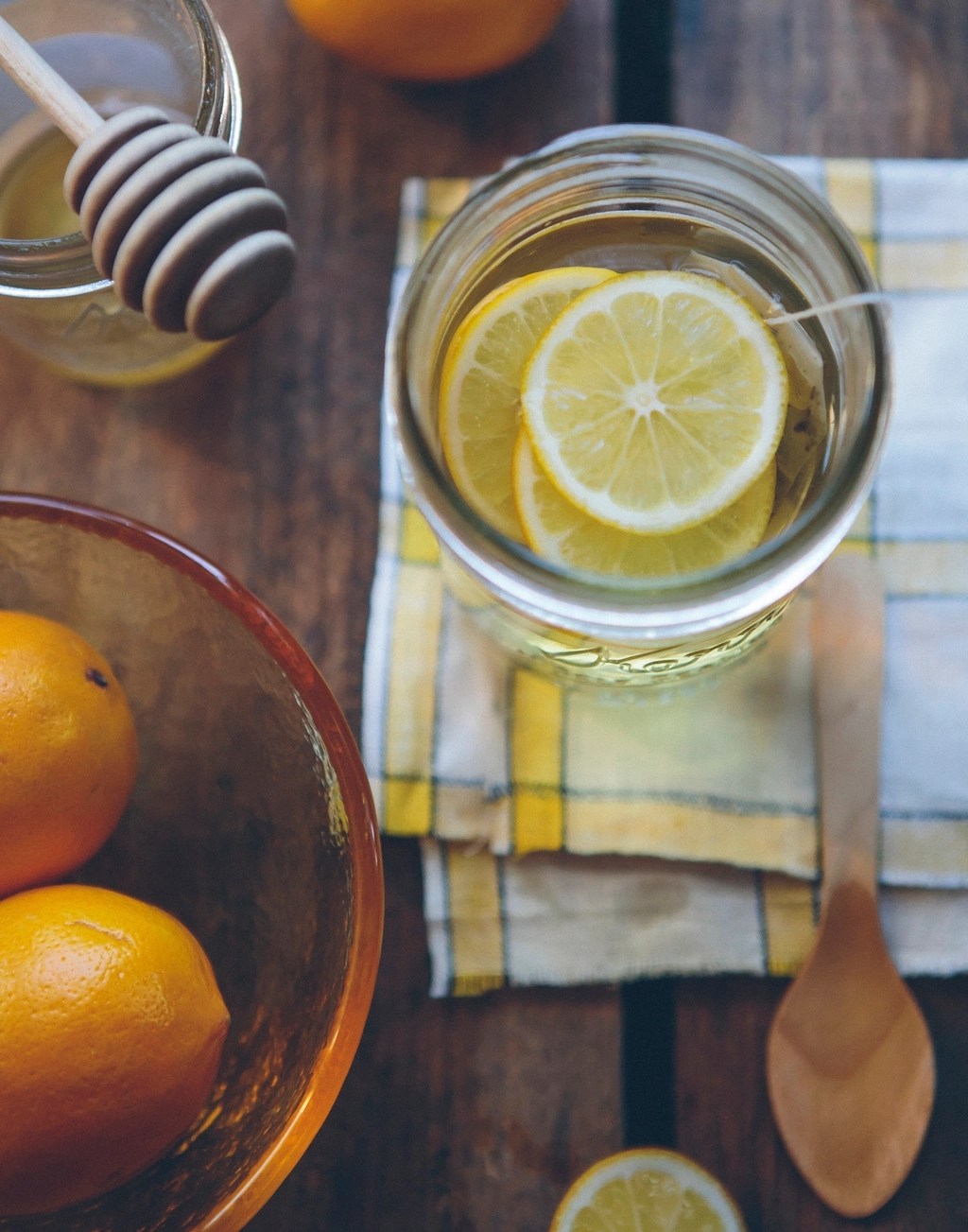
A jar of lemon tea, sitting atop a yellow and white napkin on a wooden table.

Meanwhile, in Greece and medieval Europe, lemons were associated with luxury — after all, they had to travel a long way to get there and required very specific conditions to grow. This gave them additional connections to abundance and prosperity.

Medicinally, lemons have been used to combat illnesses like sore throats and upper respiratory infections. Historically, their juice and preserved peels were used to aid digestion.

Today, lemons are commonly used as the base for the citrus pomanders commonly seen in the US around the winter holidays. Take a lemon, stud it with dried clove buds, and there you go — a pretty, festive, and wonderful-smelling pomander. These objects weren’t always holiday decorations, however.
Their origins are quite a bit darker.
Before the germ theory of disease was developed, people believed in miasma theory. Bad smells were thought to be the culprit when it came to all kinds of sickness, and people would wear or carry pomanders to ward them off. These were usually little sachets, rings, or metal cages containing fragrant ingredients that the user would hold up to their nose in order to keep from breathing in bad odors.
While citrus pomanders are often associated with Colonial-era crafts, few American colonizers would have been able to afford to wear or decorate with perfectly good food. Decorations like this were really more of a thing around the 1900s. Some confusion arose in the 1930s, when the Rockefellers helped restore parts of Williamsburg, Virginia. The residents were told that, to preserve the town’s Colonial-era museum-like quality, they weren’t allowed to decorate for the holidays since this wouldn’t be period-appropriate. Residents eventually struck a compromise in which they were allowed to decorate in a turn-of-the-century style that used fruits and greenery instead of blinking lights.
Hence, the citrus pomander as a questionably-authentic Colonial-era holiday decoration.

Overall, lemons are strongly associated with cleansing or repelling evil and attracting prosperity. The concept of prosperity is often expanded to include all good things, including fertility. Lemons are also frequently employed as catalysts in luck formulas. Lemon blossoms, in particular, are considered a powerful attractant for positive things.

Interestingly, lemons are somewhat contradictory when it comes to love — lemon blossoms are generally a romantic ingredient, and there are also traditions that involve using lemons to secure a partner. (For example, one Sicilian-American tradition involves a woman stealing a lemon from a St. joseph altar in order to get a husband.) On the flip side, as a sour fruit, lemons are used equally as often to end a relationship and drive away an unwanted suitor. Lemons are also used for mental clarity, which is generally an antidote to the twitterpated feeling of being in love!

A lemon cut into thin slices, sitting on a wooden cutting board.
Photo by RDNE Stock project on Pexels.com

One of the easiest ways to use lemons is in the lemon energy cure, as described at the top of this post. Take a good, firm, fresh lemon, and cut it into slices no more than a quarter inch thick. Sprinkle these slices with salt, and place them in the most high-traffic areas of your home — places like living rooms and dining rooms. Give the lemon a few days, then give it a look over. If it’s neatly dried, then all’s well. If it’s soft, mushy, discolored, bad-smelling, or moldy, repeat the process with a fresh lemon.

Some practitioners don’t even bother with the whole cutting and salting thing. Instead, they place whole lemons wherever necessary. If the lemons dry up, everything’s good. If they mold or decay, it’s time for a thorough cleansing and some new lemons.

Lemons are also good to add to floor, door, and window washes to remove bad or stagnant energy. Squeeze the juice of a fresh lemon into a bucket of fresh washing water and mop your home from back to front. Give your doors and windows a wipe down with the water as well.

In general, lemons are a good thing to keep around where people (especially guests) congregate. You never know what kind of energy other people are bringing in, so keeping some fresh lemons where you usually socialize is a good way to counteract any kind of negative energy that pops up. Pick up a pretty bowl from a thrift shop, add some bowl fillers and a few lemons, place it somewhere inconspicuous, and nobody’ll be the wiser.
Plants and Herbs

Plum Folklore and Magical Uses

In autumn of last year, my Handsome Assistant and I planted a plum tree. As we work on getting rid of the lawn in the backyard chunk by chunk, we’re replacing those chunks with tree guilds. We couldn’t decide what kind of fruit tree we wanted for that space — it had to be a dwarf variety, and it needed good disease resistance. If the fruit didn’t need a lot of processing to be edible, so much the better. I was torn between a sand pear and a cherry, but, in the end, we went with a beautiful little Pershore yellow egg plum (Prunus domestica).

Right now, it’s shed its pretty white flowers to leave behind a number of tiny green plums-to-be. While I was looking up ways to protect at least some of the fruit from the other yard denizens, I got caught up reading about some very interesting plum facts and folklore.

Plums have an interesting reputation across multiple cultures. They’re harbingers of spring, protectors against evil, and cultivators of romantic love.

When used as wood for wands, plum is said to be useful for healing. This may tie back to the idea of plums as promoters of vitality (and even immortality — ). Since plum trees also banish evil, plum wood wands are suitable for pretty much all magical workings.

In China, plum (Prunus mume) is one of the Four Gentlemen, along with orchid, bamboo, and chrysanthemum. The plum blossom’s five petals represent the five blessings of good luck, fortune, longevity, and joi, and wealth. Plum blossoms are also symbols of resilience, since they bloom so early — well before the last of the winter snow has melted away.

The plum blossom is one of the national symbols of Taiwan.

In Japan, plum trees are symbol of elegance and purity. They’re also charms against evil and are often planted in the northeastern area of gardens as a protective talisman.

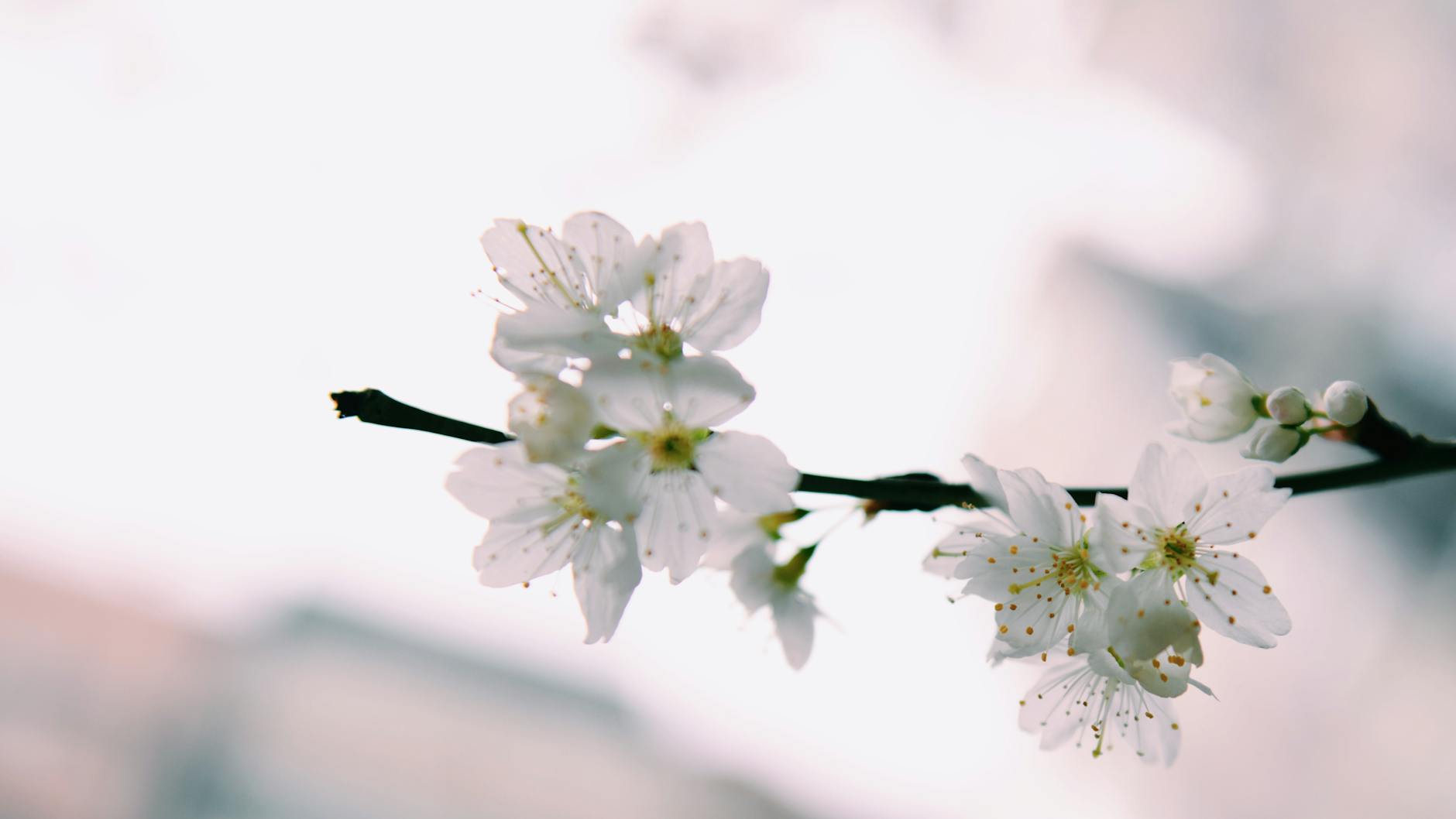
White plum blossoms on a black twig.
Photo by Cats Coming on Pexels.com

Pershore, Worcestershire, has a designated Plum Charmer. This person plays music to the plum trees during the summer in order keep spirits away and ensure a good harvest. (This probably also has the effect of shooing hungry birds and squirrels away, which ensures that fewer plums get nibbled on!)

Unfortunately, good plum harvests are a bit of a double-edged sword. It was also said that plentiful plums mean cholera is sure to follow. (Cholera is caused by the bacterium Vibrio cholerae. Most human cholera cases are caused by consuming food or water contaminated with infected feces, and fruits in general [with the exception of sour fruits] are a potential vector for cholera when they’re prepared by someone affected by V. cholerae.)

I wasn’t able to find much information on plums as a fruit for love, other than the general ideal that any sweet, juicy fruit is suitable for love workings (or as offerings to deities of love and beauty). The blossoms are associated with beauty and marriage, however, and the coverlet on a bridal bed is sometimes referred to as a plum blossom blanket.

Overall, plums are a boundary tree. They’re planted in gardens to be a ward against evil. They bloom on the narrow line between winter and spring. This makes them a useful, surprisingly versatile plant to grow and work with — they seem to function as a way to keep unwanted influences at bay, clearing the way for whatever you want to accomplish.

Plums are associated with the elements of Water and Air, as well as the planet Venus.

Naturally, you could grow a plum tree and request that it guard your space, but that might require quite an investment of time, money, and room. Since plums are associated with keeping evil away, one easy way to make use of them is to hang a windfall plum branch over your front and back doors.

As far as love workings go, the simplest way to use plums there is to share one with a partner (or partner-to-be). For this, I’d probably choose a plum with a deep red flesh and a sort of heart (or, let’s be real, butt) shape. Of course, as with any love working, you’ll only want to do this with a consenting partner. Nobody likes to be sideswiped by a love spell.

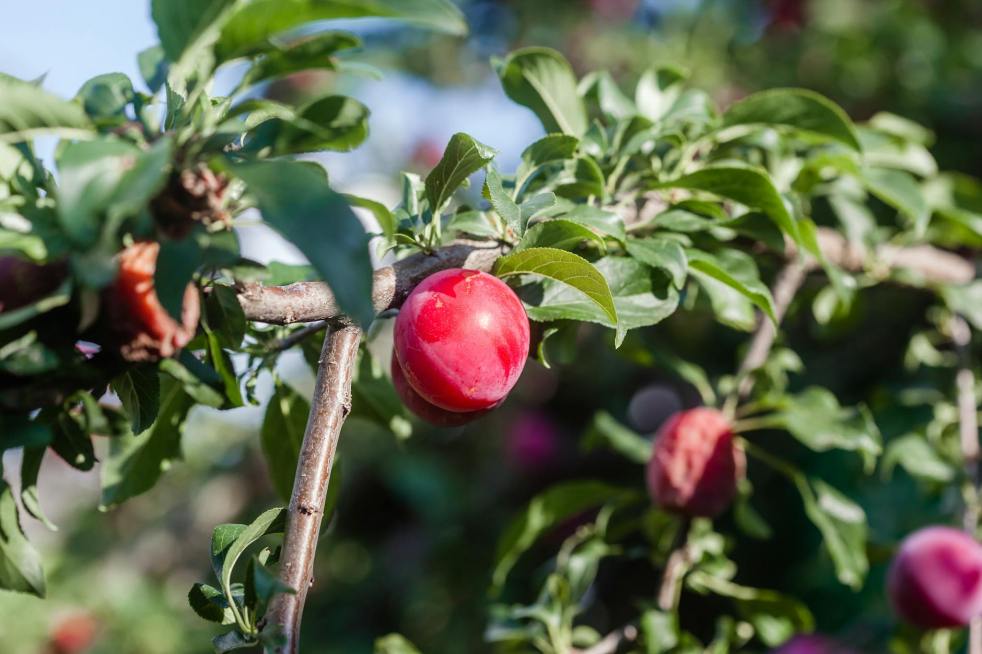
Red plums nestled amid plum leaves.
Like these. Photo by ALINA MATVEYCHEVA on Pexels.com

Plums are stunningly beautiful trees with lovely, delicately scented blossoms. This year, it looks like we’ll be fortunate enough to be graced with plum fruit, too. While I don’t have any windfall branches or evil spirits to keep away, I am looking forward to plenty of preserves this summer.

Plants and Herbs

Orange Folklore & Magical Properties

Ah, oranges. Sweet little globes of deliciousness. They run the gamut from “will basically peel themselves if you look at them hard enough” to “will peel a quarter inch at a time and leave an impenetrable layer of pith.” Some are massive, some are tiny enough to eat in a bite. Some are delightful, some can be potentially deadly. They’re good for you, unless they aren’t. They’re convenient to eat, unless they aren’t. In short, oranges are a land of contrasts.

Right now, I’ve got a farmers’ market box of delightful tiny oranges from Georgia. I also have some slices of orange and lemon drying in my dehydrator for making garlands. It seemed like a good time to get into the folklore and magical uses of oranges, so here we go!

In general, oranges are used for attraction and positivity. They’re also a symbol of wealth and status in European art, since oranges don’t naturally grow in cold climates. They either had to be imported or grown in special conservatories called orangeries.

Even before oranges reached the colder parts of the world, they were associated with prosperity and luck. Virgil, the Roman poet, called them “lucky apples.”

A bowl of peeled oranges.

A Haitian folktale tells of a girl whose mother passes away. Her father remarries a cruel woman who refuses to feed or care for the girl. One day, weak with hunger, she succumbs to temptation and eats three oranges sitting on the kitchen table. When her stepmother comes home, the girl knows she’ll be beaten. She runs from the house, all the way to her mother’s grave. While kneeling and lamenting her fate, an orange seed falls from her skirt and lands on the soil. In desperation, the girl sings to the orange seed until it becomes a sapling, then a branching tree, then a mature tree laden with fruit. Happy, the girl fills her arms with oranges and carries them home.

Her stepmother greedily eats the delicious oranges before asking the girl where they came from. The girl leads her stepmother to the orange tree. As her stepmother begins to pick and eat the oranges, the girl sings to the tree once again. It grows tall — far taller than the stepmother can climb down from — so the stepmother begs and pleads for the girl to help her down again. The girl does so, but, as soon as the tree lowers, her stepmother begins eating all of the oranges again. Knowing that she’ll be punished once the oranges are gone, the girl sings to the tree to make it grow tall. Finally, she cries out, “Break, orange tree! Break!” The tree shivers into a thousand pieces, and the stepmother with it. The girl saves a single orange seed from that tree, plants it, and goes on to sell the sweet oranges at the market.

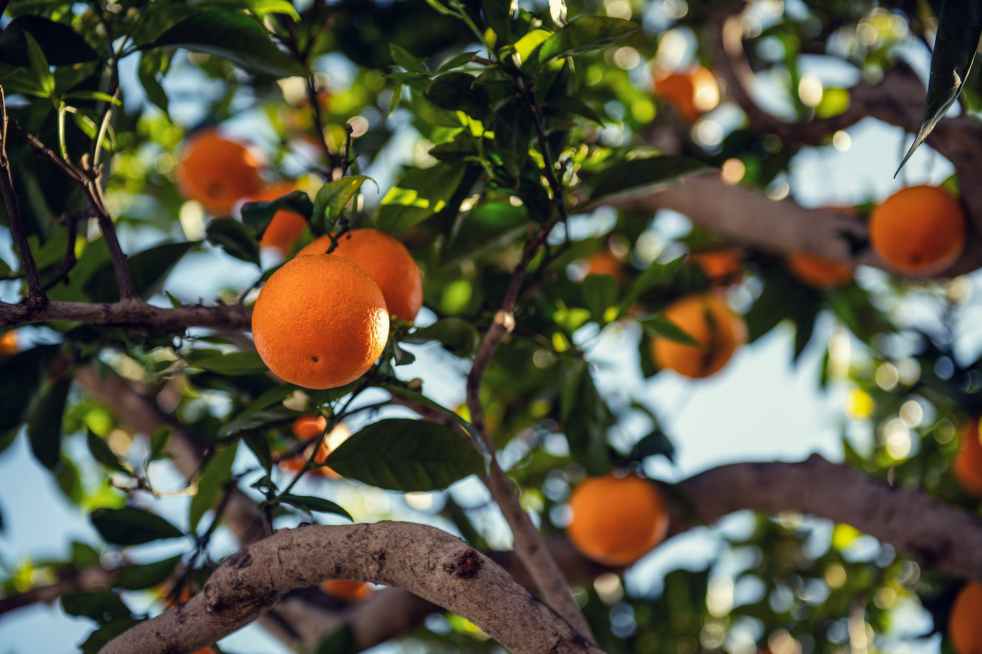
An orange tree, filled with fruit, against a blue sky.
Photo by Olena Bohovyk on Pexels.com

Christian mythology from Andalusia says that Mary, Joseph, and Jesus were travelling a long distance, when Mary became hungry and thirsty. The family happened upon an orange tree guarded by an eagle. When Mary asked for some of the oranges, the eagle fell asleep and allowed her to take three — one for each part of the Trinity.

Orange blossoms and oranges are often used interchangeably in magical formulas, but orange blossoms have their own, unique associations and symbolism. They’re generally considered symbols of purity, fertility, and virtue, as well as abundance, luck, and positivity. When it comes to attracting things, orange blossoms are excellent in love formulas.

According to the Victorian language of flowers, orange blossoms represented purity and chastity. They were said to say, “Your purity equals your loveliness.” The flowers were often associated with brides.

The blossoms’ connection to purity likely comes from their white color and sweet scent. They also appear abundantly on orange trees, and are followed by fruit, hence their connection to fertility.

There’s some debate about which came first, orange the fruit or orange the color. The word “orange” comes from the Sanskrit nāranga, which originally referred to the orange tree. This gradually transformed into naranja, pomme d’orenge, and even the Middle English “pume orange.” Interestingly, the word “orange” wouldn’t refer to a color until the early 1500s.

Orange pomanders, made by studding an orange with cloves, are a descendant of the Medieval pomander. This was a small ball or case that held fragrant herbs and resins, which would be held to the nose and sniffed as a protection against bad smells (which were believed to cause disease). These cases originally usually contained ambergris, which led to the name “pomme d’ambre,” or “amber apple.” As these things often go, “pomme d’ambre” became “pomander” in English.

One of the most interesting ways I’ve seen to use oranges involves just two simple ingredients: a bottle of orange seltzer, and a bathtub filled with fresh water. Pour the seltzer into the bath and immerse yourself completely. (You can also stand in the shower and pour the seltzer over yourself). The scent and power of orange, coupled with the effervescence of the seltzer, is said to boost creativity.

A drop of sweet orange oil makes a lovely addition to oil blends for prosperity and luck. You only need a very little bit, though, as it can overpower the scent of other oils.

Orange peels are nice additions to potpourris. They add color, and they soak up essential oils pretty readily. To attract love, mix with cloves (a magical catalyst), cinnamon (another catalyst that draws in love and money), bay leaves (a power herb used for love and money), and orris root (a love herb that focuses the power of the other herbs with which it’s combined).

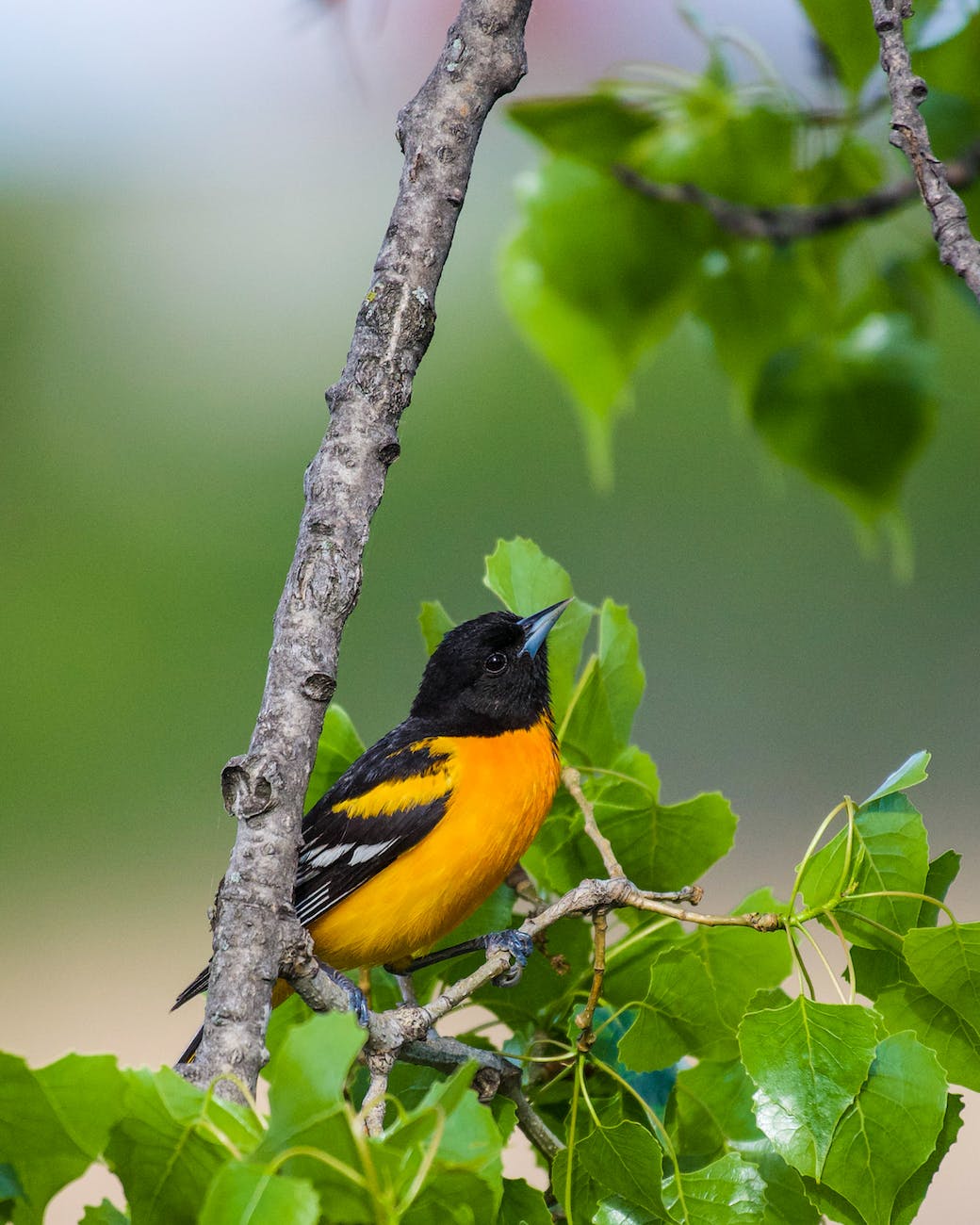
Oranges make wonderful offerings, particularly if you live in an area with orioles.

An oriole perched on a branch. The bird has a jet black head, bright orange breast, and wings with black, orange, and white bars.
Photo by Andrew Patrick on Pexels.com

Dried or candied orange peel is great in teas. You can also add orange blossom water to other beverages. Consider putting a splash of blossom water in a cocktail for attracting or strengthening love.

If you do choose to use orange peel in food or beverages, opt for organic oranges (or, if you can, grow them yourself). A lot of conventionally raised oranges have their peels treated with colorants and antimicrobials. While the amounts used are tiny and considered safe, oranges are also typically peeled before eating. If you plan to use the peel, shoot for fruits that have as little added to their peels as possible.

Oranges are a perfect little nutrient-packed snack that was once a treat for kings and queens. Tap into their sweet powers to attract more luck, love, and money into your life.

Uncategorized

Blueberry (and Bilberry) Folklore and Magical Properties

I love blueberries. Few things are as delightful as a fat slice of warm blueberry pie or cobbler, with a generous dollop of ice cream (or non-dairy ice cream equivalent, as it were).

I was very excited to find that the previous occupants of this house had planted some blueberry bushes in the back yard. Unfortunately, these bushes weren’t exactly thriving — they’d been planted in an area that’s under trees. It gets plenty of light during the late autumn to early spring, but very little in the warm months. Our soil is also hard clay, and it didn’t appear that the area had been given much organic matter.

So, as much as it worried me to do it, my spouse and I uprooted these bushes and moved them into a much sunnier spot, blended well with a generous amount of shredded bark and leaf compost. We also planted two more bushes of a different variety, to fill out the tree guild we’re building around the Chehalis apple tree I talked about two weeks ago.

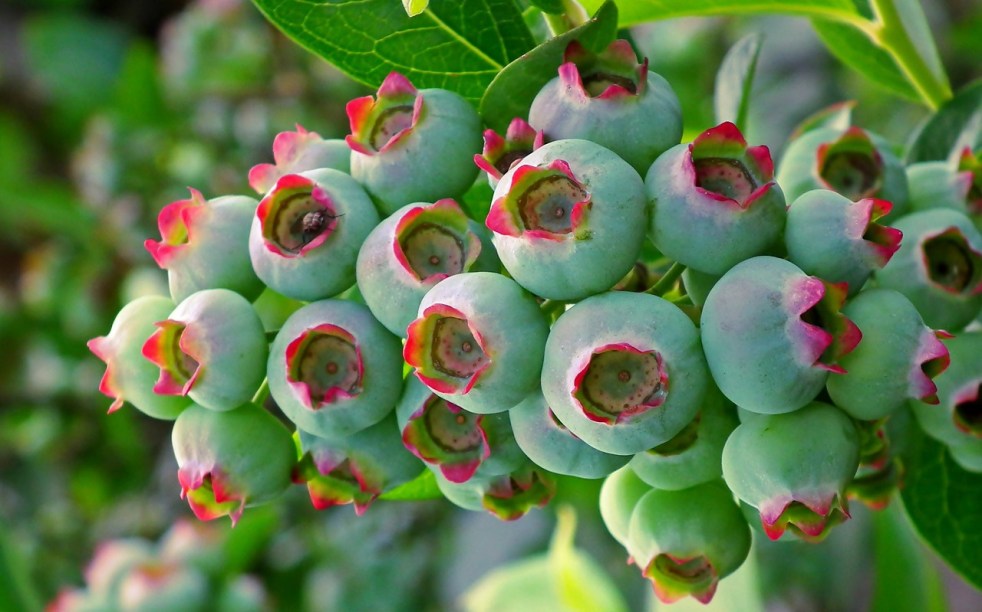
A cluster of ripening blueberries on a bush.
Some lovely little unripe blueberries on one of the bushes in the back yard.

This post isn’t about soil composition and permaculture, though I could definitely go on for volumes if it was.

No. Today, I want to get into some of the folklore and magical uses of these wonderful little balls of deliciousness.

It should be noted that blueberries (Vaccinium angustifolium, V. corymbosum, et al) are a strictly New World fruit. There’s a European relative called the bilberry (or European blueberry, Vaccinium myrtillus) that’s very similar, and the magical properties of these fruits are virtually interchangeable. If you live in an area where bilberries are native, use bilberries. If you live where blueberries grow, use those instead.

Blueberry and Bilberry Folklore

While blueberries are named for their deep purplish-blue color, the name “bilberry” is likely of Scandinavian origin. The Danish word bølle means “whortleberry,” which is another word for certain members of Vaccinium including the bilberry.

You can tell blue- and bilberries apart by their fruits. Blueberries grow in clusters, are a purplish-blue, and have a blossom end that looks a bit like a pentagon with five pointed flaps. Bilberries grow alone or in pairs, are almost black, and have a circular, smoother blossom end.

A bilberry on a bilberry shrub. The blossom end is facing upward, showing a distinct lack of the pointed flaps found on blueberries.
As you can see from this bilberry’s “butt,” they have rounder blossom ends and lack the pointy flappy bits of American blueberries. Compare it to the unripe blueberries in the photo above this one.

In Ireland, bilberries (fraochán or fraughan) are traditionally gathered during the last Sunday in July and the first of August. The first of August is Lughnasadh, a festival marking the beginning of the harvest season. Bilberries and blueberries are a traditional addition to Lughnasadh festivities all around the world.

Since gathering bilberries was traditional for the beginning of the harvest season, they were treated as a kind of oracle. If the crop was abundant, other crops would similarly flourish. If the bilberries did poorly, everything else would, too.

In ancient Greece, bilberries came from Herme’s son Myrtillus. King Oenomaus of Pisa had been given a prophecy: He would one day be killed by a son-in-law. Seeking to avoid this fate, Oenomaus decided to prevent his daughter, Hippodamia, from ever marrying by challenging every one of her would-be suitors to a chariot race on the Isthmus of Corinth. If the suitor won, he’d get Hippodamia. If he lost, Oenomaus would kill him. Since Oenomaus’ chariot was pulled by horses given to him by the god Ares, there was no way he could ever lose.

Then came Pelops. Hippodamia fell for him immediately, and went to her father’s servant, Myrtillus, for a favor. She wanted him to sabotage her father’s chariot so he’d lose the race, and Myrtillus, full of unrequited love for Hippodamia, agreed. On the day of the race, Myrtillus switched the metal linchpins of Oenomaus’ chariot with ones made of beeswax. Oenomaus’ chariot flipped, and Pelops beat him easily.

Some versions of the story say that Oenomaus, with his dying breath, asked to be avenged. Pelops then threw Myrtillus into the sea, and Hermes turned him into a bilberry shrub when he washed to shore. Another version says that Pelops, Hippodamia, and Myrtillus were traveling, when they stopped at an island so Pelops could fetch his new bride some water. When he returned, Hippodamia was in tears. Myrtillus had tried to sleep with her, she cried, while Myrtillus protested that she had promised to do so in exchange for sabotaging Oenomaus’ chariot. The enraged Pelops then killed Myrtillus.

In the folklore of some of the people indigenous to blueberry’s native range, blueberries are called “star berries” for the star-shaped blossom end.

In the Victorian language of flowers, bilberry represents treachery. This symbolism is likely borrowed from the Greek story of Myrtillus.

Blueberry and Bilberry Magical Uses

Blue- and bilberries are associated with protection and luck in European witchcraft.

Dried bilberry leaves are used in protective powders but can also be used whole for prosperity and luck.

The fruit is similarly used for protection and hex-breaking.

(Considering bilberry’s associations with treachery and crop divination, I wonder if their protective properties stem from their connection to physical danger and starvation. Today, we know that fruits like blueberry and bilberry can protect against oxidative cellular damage due to their antioxidant content, but their traditional connection to protection goes back much farther.)

Using Blueberries and Bilberries

Blueberries and bilberries couldn’t be simpler to use. For kitchen witches, include them in recipes for protection and the removal of malevolent enchantments.

Crushing the fresh berries can yield a pigment suitable for drawing protective sigils on paper talismans, the skin, and anywhere else you might need them. Just bear in mind — both of these berries are sweet, and your talismans may be sticky and likely to attract bees this way!

To protect your property, dry bilberry or blueberry leaves. Powder them well, then sprinkle the powder around the perimeter of your home or yard.

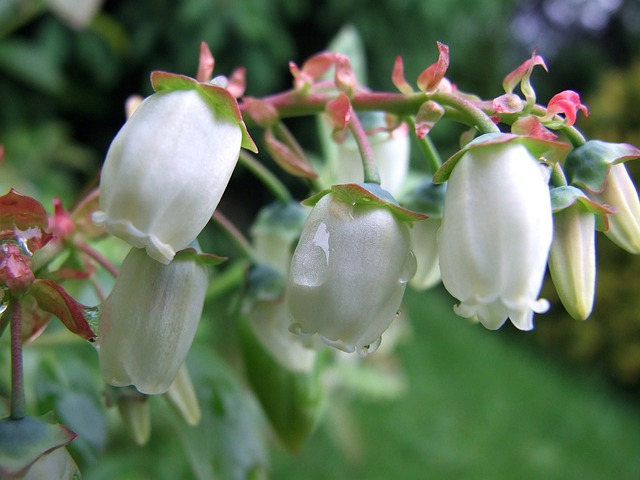
White, bell-shaped blueberry blossoms.

To break a hex, jinx, or run of bad luck, burn dried blue- or bilberry leaves. Use the smoke to fumigate the same way you’d use incense smoke.

Blueberry and bilberry don’t appear to be reversing herbs. That is, they don’t return treachery or malevolent magic to the sender. They just keep it from affecting you.

Since bil- and blueberry seems to predominantly be a protective herb, I would hesitate to use it solely for drawing luck. It appears that it’s virtue in luck drawing lies in its ability to get rid of jinxes and other things that hold you back. For luck spells, then, I’d pair blueberry or bilberry leaves with an ingredient used more specifically for attracting good luck. The berry leaves can clean up the things standing the way of your luck, and the other ingredients can draw it in. Allspice, chamomile, and fenugreek are all good options to consider here.

Interestingly, strawberries are sometimes used in small amounts for luck drawing. You could then theoretically make a jam, smoothie, or pie with both blueberries and strawberries, and, when appropriately made and empowered, use it to attract good luck to you.

It remains to be seen how my poor transplanted blueberries do, but the newer ones seem to be thriving. When the time is right, I’ll harvest the fruits and some of the leaves, and hopefully have enough protection and hex-breaking to last me all year!

Environment · life · Neodruidry · Plants and Herbs

Persimmon Foraging Quest

Hello! If you’ve been reading here for a while now, you may have come across the Persimmon Quest.

This is an annual quest my partner and I go on every autumn. We call around or visit grocery stores in order to find out who actually has persimmons (preferably the astringent kind, but non-astringent will also do). Then, we purchase and eat massive quantities of persimmons.

The first time I had one was when I still lived in California. It was a Fuyu persimmon (Diospyros kaki), crunchy and sweet, and I was sold. When I had my first perfectly ripe Hachiya, like a water balloon filled with sweet, flavorful jelly, I was smitten. When I realized that one of the trees planted here by one of the former occupants was probably a persimmon, I was ecstatic.

A Druidry group I belong to recently offered a small foraging expedition. One of our members is a biologist, and he’s kind and generous enough with his time to lead seasonal foraging walks. Last spring, we hunted for ramps. Now that it’s persimmon season, we went to track down some trees.

And oh, did we ever.

Three bags of soft, bright orange American persimmons, along with a sprig of coralberry and some dried mountain mint.

Several of them were already bare, picked over by wildlife and wind. Some were still laden with fruit that fell at the slightest touch. We picked only the ripest, squishiest ones, leaving the rest to soften in the sun and feed other things.

My partner and I came away with several pounds, which I cleaned and froze for future use. They’re very different from Japanese persimmons — we snacked on a few as we foraged, and it was striking just how much the flavor seemed to vary from tree to tree. American persimmons (Diospyros virginiana) are most similar to Hachiya-type Japanese persimmons, in that they’re very astringent before they’re ripe. When they look like they’re nearly rotten, they’re at their best.

Most of the ones I tasted were almost floral when compared to a Hachiya. Still very sweet and soft (with a slight astringent bite in a few places), but floral like lavender lemonade is floral. The comparatively large seeds got in the way a bit, but I’ve read some interesting recipes for roasting and grinding them to make a coffee substitute. As someone who doesn’t drink coffee, I’m intrigued! If I can get a foraged equivalent for Dandy Blend that isn’t dandelion root, I’ll be excited.

I haven’t yet decided what to do with the persimmons themselves. I might separate the seeds and pulp, then freeze the pulp again in an ice cube tray. I figure, if I want to add them to smoothies, sauces, or desserts, I can just thaw out some cubes of prepared persimmon mush fairly quickly and easily. I could even pop a cube or two in a jar for making persimmon kefir. (One member of the group was considering doing fruit leather but based on my experiences trying to make strawberry leather in the oven, I don’t think I want to tackle that without a dehydrator.)

There was a lot more to see than just persimmons, too. Dogbane (Apocynum cannabinum) with its stringy bark (good for stripping and braiding into twine). Horsenettle (Solanum carolinense) with its bright yellow, tomato-like, deceptively delicious-looking poisonous fruits. Fragrant tufts of mountain mint (Pycnanthemum muticum), gray and brittle with age. The most striking were the coralberries (Symphoricarpos orbiculatus), their tiny, bright magenta fruits standing in vibrant contrast to their bright green leaves.

I found these berries particularly intriguing. As it turns out, they’re a valuable native food plant for birds, grow in shade, can stabilize banks, don’t have any major pest or disease vulnerabilities, and thrive on neglect. I’m still looking for native/non-invasive plants to help feed the yard’s hard clay soil and reverse some of the damage from supporting a lawn, and coralberry fills a very important niche here. From what I have read, coralberries aren’t of much value as food for humans. That’s okay, though. Not everything in the yard has to — or should — be for me to eat.

Plus they are so pretty.

I’m considering growing some mountain mint, too. Like other mints, they can take over a yard. Since they’re a native plant, I think it’ll be easier to keep them at a reasonable level than, say, the old peppermint that’s slowly eating part of the back yard. Interestingly, it’s closer to bee balm (monarda) than it is to peppermint, and there’s a faint bee balm-ness to its scent that gives that away. Mountain mint also attracts an incredible variety of native pollinators and predatory wasps, and is both edible and medicinal. Medicinally, it’s treated almost as a panacea — it’s considered a digestive, carminative, emmenagogue, expectorant, and more, though I haven’t thoroughly researched the active constituents myself yet. If it can serve as a home-grown, native substitute for peppermint tea, I’ll be all for it. The flavor does lead me to think that it’d be great for seasoning poultry or wild game, and I’m eager to try.

That’s what I love about foraging trips. Not only do I come away with tasty food, but I also get a better idea of ways to try to heal the land I’m now responsible for. Seeing a wide variety of native plants shows me what this patch of grass could be and tells me how I can help it get there. I’m excited!

life · Plants and Herbs

Strawbin’.

Okay! Hear me out.

We… went strawberry picking.

If you’ve been following this blog, I know what you’re probably going to say.

“J. You already accidentally bought 47 strawberry starts. You were concerned about what you’d do with up to 140 pounds of basically-almost-free strawberries. Why did you go pay to pick strawberries somewhere else?”

You’re right. This was part of a meetup with one of my Druidry groups, and, to be honest, I wanted to go hang out. Besides, my own strawberry plants aren’t pumping fruit out just yet, so I figure this’d give me some tasty fruits for the meanwhile.

We went to Larriland Farm about an hour after the fields opened. You pay for your container in the beginning, take it to a designated area in the field, and fill it up as much as you can. Since you’re not paying by weight, the more you can fit, the better. My partner was initially going to get us two of those little blue molded fiber baskets, but we soon decided a larger flat box was a better idea.

J. crouched in a strawberry field, filling a flat cardboard tray with fruit.
To think, I thought the box was getting full here.
J.'s partner standing in a strawberry field, holding a flat box filled with berries.
To his credit, he did.

A little less than an hour later, we had pounds upon pounds upon pounds of juicy, very ripe berries. I kept warning him that the box was full, but he was determined to heap them as high as possible. “Nah,” he said, “I can totally Tetris more in.”

All of us paused for meditation (and to eat a few berries) before leaving. Then, after tucking the box of strawberries in the back seat like it was a newborn baby, we carefully trucked them home.

At home, I pureed a bunch of the fruit with spinach, then poured it into an ice cube tray to freeze. Once frozen, it’ll be an easy, space-saving way to keep smoothie ingredients. Some of the fruit will be for salads, frozen for later use, used to flavor water kefir, or macerated in sugar for waffles and shortcake. I sliced a whole bunch, layered it with caramel and pastry, and made a tarte Tatin. Even with all of that in mind, there are still so many strawberries.

A very gooey strawberry tart, with vanilla ice cream.
I hadn’t counted on how juicy the berries would be, so I ended up with a bit too much liquid. Neither of us complained, though!

It’s kind of funny. The blue paper pulp boxes wouldn’t’ve been nearly enough. The next size up, I feel like I’m drowning in berries. It is a problem I enjoy.

I also discovered that it’s possible to break out in a rash from touching strawberry plants, even if you’re not at all allergic to the fruit. Strawberry leaves have trichomes, which are possibly best known as the little hairs on cannabis plants. Strawberry trichomes come in two types: glandular and non-glandular. The non-glandular ones are just little poky hairs that are kind of physically irritating, and help keep bugs at bay. The glandular ones, on the other hand, are attached to glands. These trichomes can inject tiny amounts of defensive compounds.

Imagine if, to protect yourself from bears and muggers, you never left the house without putting on a special anti-bear-and-bandit coat covered in hypodermic needles filled with acid.

The end result was one mother of a rash from the back of my hands to my elbows. This probably isn’t a true allergy, and more a product of spending like an hour accidentally injecting myself with tiny amounts of liquid “fuck off” in strawberry language. I even tested this idea by taking a fresh berry, eating a tiny bit, and rubbing the bitten portion on the inside of my elbow. Aside from a red stain, there was no rash, no itching, no welts, nada. So I’m pretty much free to gorge myself on as many strawberries as I desire.

Here until the ocean wears rubber pants to keep its bottom dry,
j.