
Neodruidry · Plants and Herbs · Uncategorized

Cedar Tree Folklore & Magical Properties

I’m not a fan of fake greenery. While it can definitely amp up a room’s decor when it’s judiciously combined with real plants, I always end up forgetting to maintain it until it’s faded, dusty, and doing the exact opposite of helping things look fresh and natural. Blegh.

Anyway, when it comes to decorating for Yule, my Handsome Assistant and I go for fresh greens. There’s a florist nearby who sells trimmed branches of various evergreens pretty cheaply. Combine a few of them with some wired ribbon, and you can make a very pretty swag or garland without spending much money at all.

A close up of fanlike American cedar branches.
Photo by Abdul Zreika on Pexels.com

This year, we picked up the cutest little potted Alberta spruce tree. We’re keeping it indoors until spring, at which point I’m going to repot it and set it outdoors. Next winter, it’ll probably still be small enough to fit in the living room and be next Yule’s tree, too. Once it’s outgrown its pot, we’ll plant it in the front yard.

We also picked up some trimmed branches from an incense cedar tree (Calocedrus decurrens), which I used to decorate table tops and the top of our curiosity cabinet.

Since we’ve been taking down our Yule decorations and cleaning up the shed bits of greenery, I thought now might be a good time to look into the folk tales and magical associations of cedar trees.

First things first: “Cedar” isn’t a very exact term. True cedars are chiefly found in the Mediterranean, but there are also quite a few unrelated American species referred to as “cedar.” True cedars have needles, while American species have flat leaves, like scales, that form delicate fernlike or fingerlike structures (as seen in the photo above). There are only four species of “true” cedar: cedar of Lebanon (Cedrus libani), Atlas cedar (C. atlantica), Cyprus cedar (C. brevifolia), and deodar cedar (C. deodara). American cedar species are actually members of the cypress family, Cupressaceae!

The needles of an Atlas cedar, one of the "true cedars."
Photo by Feyza Dau015ftan on Pexels.com, showing the needles of a “true cedar.”

American cedars are culturally significant to the people indigenous to the trees’ native ranges. Indigenous people used (and continue to use) cedar as a sacred incense and purifying herb. Cedar trunks were used to make boats, the branches were used to filter sand from water and when leaching acorns for acorn flour, and the fibrous roots are still used to make beautiful baskets.

Cedar smoke was also used to prevent illness, which mirrors the old Scottish practice of fumigating one’s home with juniper for the same purpose. This is particularly interesting since the eastern red cedar, Juniperus virginiana, is actually a juniper. Junipers are also members of the cypress family, like other American cedars are.

Many Salish groups had special rituals for the felling of cedar trees. These trees are considered symbols of providence, abundance, and generosity.

A Mi’kmaq tale warns you to be careful what you wish for. A man went to the legendary Glooskap and asked if it was true that Glooskap gave people whatever they asked him for. Glooskap demurred, saying that he couldn’t always answer people’s requests, but he helped however he could. The man asked Glooskap for immortality, but he refused — all things must die. Once everything has died, even Death would probably die. Disappointed, the man asked to live longer than any man has ever lived. In return, Glooskap turned the man into a tall cedar tree.

A Potawatomi tale tells of a group of men who visited the Sun to ask for help. One desired to see the future, two desired immortality, another desired a blessing associated with water, and yet another had gone along just to help the others. The man who wished to see the future was set down in the west, where the Sun goes to end the day. One of the men who wanted to be immortal became a boulder. The man who wanted a water blessing became a half-man, half-fish. The other man who wished for immortality became a cedar tree. This is how people received the stones and cedar used in sweat lodge ceremonies.

In Judeo-Christian stories, cedar represents protection and strength. Its wood was used to build Solomon’s temple. According to Medieval Christian tradition, the cross used during the crucifixion was made of cedar. For this reason, it was considered bad luck to burn cedar wood. Planting a cedar in your yard was also believed to bring misfortune and poverty, but a cedar growing naturally was considered fortunate.

In Irish folklore, cedars were associated with strength and durability. Their wood is extremely rot-resistant, and the trees live for a very long time.

Like a lot of other magical ingredients used for protection and banishing, all types of cedar repel pests. The aromatic compounds in their essential oils are a deterrent for moths and all kinds of biting insects. All around the world, there’s a very strong connection between “plants that keep bugs out” and “plants that keep evil away.”

Depending on your needs, you may or may not be able to substitute juniper-family cedars for “true” cedars. There is quite a bit of overlap, however — no matter which species you’re working with, these trees are connected to purification, protection, longevity, and strength.

Since we’re talking about some very distinct groups of trees that use the same common name, I won’t go into cedar’s medicinal properties here. This underlines the importance of using standardized nomenclature — each of these species has its own bouquet of medicinal compounds (and some potentially dangerous ones, like thujone), so it’s important to know exactly what you’re using. Never go by a plant’s common name when you’re looking for medicinal ingredients, because there’s a ton of common name overlap between completely unrelated species.

The most important thing to recognize when working with cedar is that this is a plant that should be respected. The famous cedars of Lebanon (Cedrus libani) were highly regarded — the oldest among them were considered sacred, and anyone who harmed them would be overtaken by misfortune. In the Potawatomi tale above, the man who became a cedar says that one should “call the cedar tree your nephew when you speak of it.” Folklore all around the world warns against cutting down a cedar without performing the proper ceremonies.

With that in mind, there are multiple ways to work with cedar. Cedar essential oil is frequently used in magical aromatherapy (though a little bit goes a very long way). Cedar twigs can be burned as incense and used in smoke cleaning. Since the wood and needles are so strongly aromatic, you can also infuse them in oil.

Dried conifers are easy to crumble, so they’re an easy ingredient to include in magical powders or incenses. Grind dried cedar leaves fine and sprinkle the powder in the corner of your rooms or around the border of your property while asking for protection against malevolent forces.

If you or anyone in your household has been sick. use cedar smoke to drive the illness out. Give the sickroom (in modern homes, the sick person’s bedroom and bathroom) a thorough physical cleaning, air it out well, and fumigate it with cedar smoke.

Right now, I have some dried cedar branches waiting to be used. These didn’t require a tree to be felled — instead, they’re trimmings. My plan right now is to grind the leaves fine, mix them with a binder, and form them into incense cones. The branches have blessed and protected my home when they were fresh, and they can continue to do so once they’re processed into incense.

I love the warm, earthy, spicy smell of cedar. In my tradition, it’s connected to the sun and the element of Fire. During these dark, cold months, inviting the power of cedar into your home can bring some much-needed heat, light, cleanliness, and protection.
Plants and Herbs

Orange Folklore & Magical Properties

Ah, oranges. Sweet little globes of deliciousness. They run the gamut from “will basically peel themselves if you look at them hard enough” to “will peel a quarter inch at a time and leave an impenetrable layer of pith.” Some are massive, some are tiny enough to eat in a bite. Some are delightful, some can be potentially deadly. They’re good for you, unless they aren’t. They’re convenient to eat, unless they aren’t. In short, oranges are a land of contrasts.

Right now, I’ve got a farmers’ market box of delightful tiny oranges from Georgia. I also have some slices of orange and lemon drying in my dehydrator for making garlands. It seemed like a good time to get into the folklore and magical uses of oranges, so here we go!

In general, oranges are used for attraction and positivity. They’re also a symbol of wealth and status in European art, since oranges don’t naturally grow in cold climates. They either had to be imported or grown in special conservatories called orangeries.

Even before oranges reached the colder parts of the world, they were associated with prosperity and luck. Virgil, the Roman poet, called them “lucky apples.”

A bowl of peeled oranges.

A Haitian folktale tells of a girl whose mother passes away. Her father remarries a cruel woman who refuses to feed or care for the girl. One day, weak with hunger, she succumbs to temptation and eats three oranges sitting on the kitchen table. When her stepmother comes home, the girl knows she’ll be beaten. She runs from the house, all the way to her mother’s grave. While kneeling and lamenting her fate, an orange seed falls from her skirt and lands on the soil. In desperation, the girl sings to the orange seed until it becomes a sapling, then a branching tree, then a mature tree laden with fruit. Happy, the girl fills her arms with oranges and carries them home.

Her stepmother greedily eats the delicious oranges before asking the girl where they came from. The girl leads her stepmother to the orange tree. As her stepmother begins to pick and eat the oranges, the girl sings to the tree once again. It grows tall — far taller than the stepmother can climb down from — so the stepmother begs and pleads for the girl to help her down again. The girl does so, but, as soon as the tree lowers, her stepmother begins eating all of the oranges again. Knowing that she’ll be punished once the oranges are gone, the girl sings to the tree to make it grow tall. Finally, she cries out, “Break, orange tree! Break!” The tree shivers into a thousand pieces, and the stepmother with it. The girl saves a single orange seed from that tree, plants it, and goes on to sell the sweet oranges at the market.

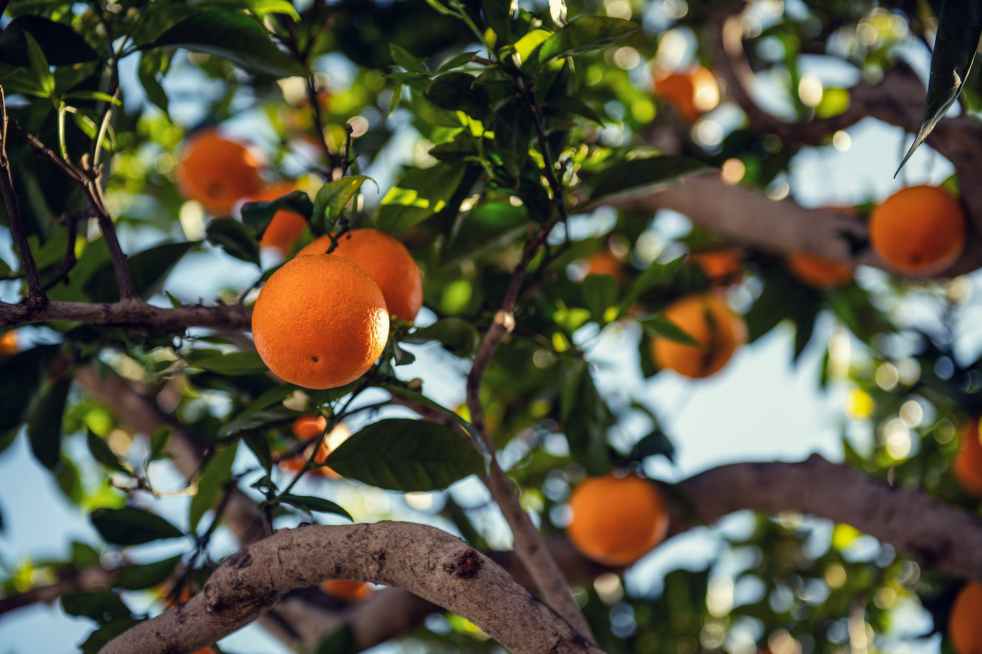
An orange tree, filled with fruit, against a blue sky.
Photo by Olena Bohovyk on Pexels.com

Christian mythology from Andalusia says that Mary, Joseph, and Jesus were travelling a long distance, when Mary became hungry and thirsty. The family happened upon an orange tree guarded by an eagle. When Mary asked for some of the oranges, the eagle fell asleep and allowed her to take three — one for each part of the Trinity.

Orange blossoms and oranges are often used interchangeably in magical formulas, but orange blossoms have their own, unique associations and symbolism. They’re generally considered symbols of purity, fertility, and virtue, as well as abundance, luck, and positivity. When it comes to attracting things, orange blossoms are excellent in love formulas.

According to the Victorian language of flowers, orange blossoms represented purity and chastity. They were said to say, “Your purity equals your loveliness.” The flowers were often associated with brides.

The blossoms’ connection to purity likely comes from their white color and sweet scent. They also appear abundantly on orange trees, and are followed by fruit, hence their connection to fertility.

There’s some debate about which came first, orange the fruit or orange the color. The word “orange” comes from the Sanskrit nāranga, which originally referred to the orange tree. This gradually transformed into naranja, pomme d’orenge, and even the Middle English “pume orange.” Interestingly, the word “orange” wouldn’t refer to a color until the early 1500s.

Orange pomanders, made by studding an orange with cloves, are a descendant of the Medieval pomander. This was a small ball or case that held fragrant herbs and resins, which would be held to the nose and sniffed as a protection against bad smells (which were believed to cause disease). These cases originally usually contained ambergris, which led to the name “pomme d’ambre,” or “amber apple.” As these things often go, “pomme d’ambre” became “pomander” in English.

One of the most interesting ways I’ve seen to use oranges involves just two simple ingredients: a bottle of orange seltzer, and a bathtub filled with fresh water. Pour the seltzer into the bath and immerse yourself completely. (You can also stand in the shower and pour the seltzer over yourself). The scent and power of orange, coupled with the effervescence of the seltzer, is said to boost creativity.

A drop of sweet orange oil makes a lovely addition to oil blends for prosperity and luck. You only need a very little bit, though, as it can overpower the scent of other oils.

Orange peels are nice additions to potpourris. They add color, and they soak up essential oils pretty readily. To attract love, mix with cloves (a magical catalyst), cinnamon (another catalyst that draws in love and money), bay leaves (a power herb used for love and money), and orris root (a love herb that focuses the power of the other herbs with which it’s combined).

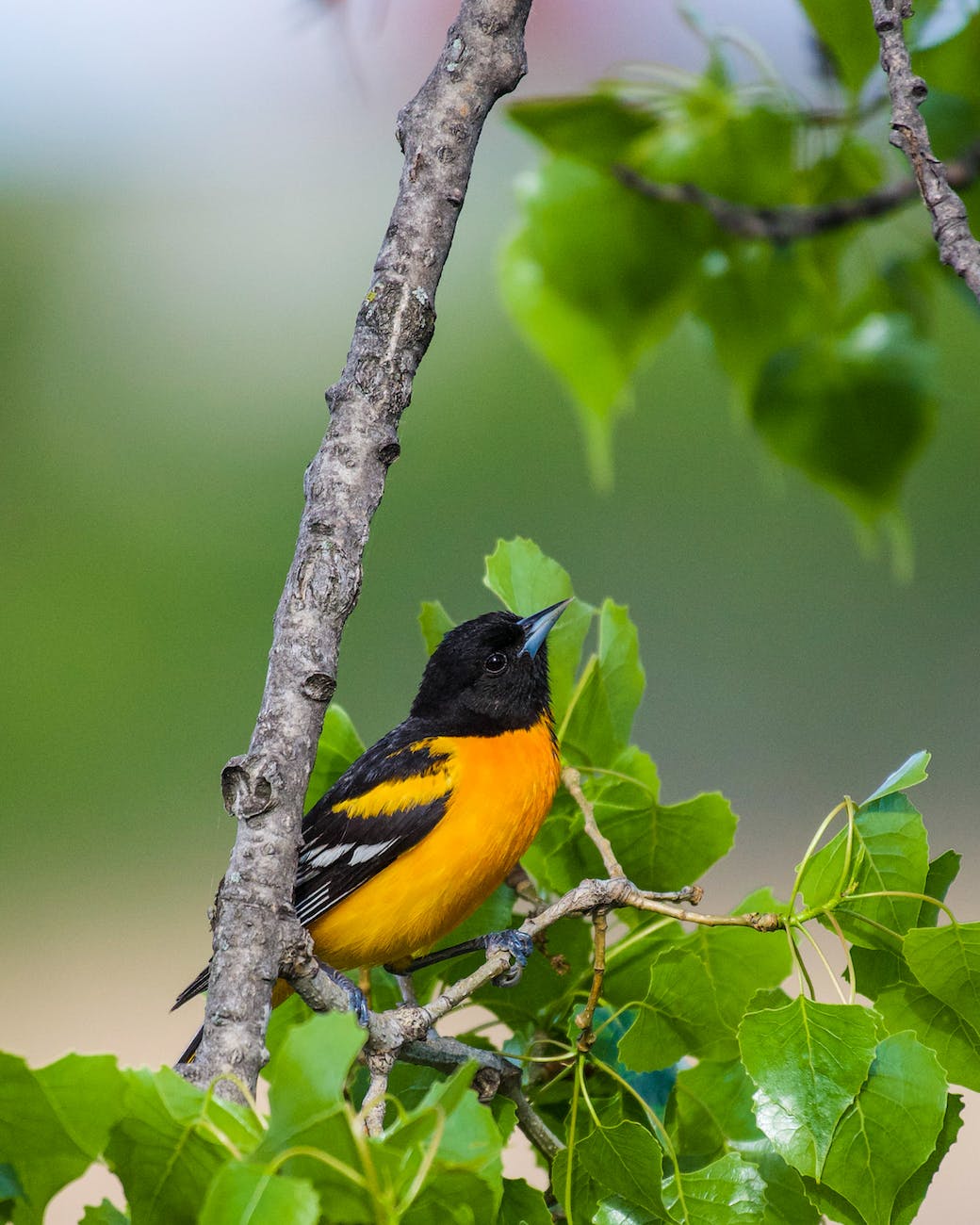
Oranges make wonderful offerings, particularly if you live in an area with orioles.

An oriole perched on a branch. The bird has a jet black head, bright orange breast, and wings with black, orange, and white bars.
Photo by Andrew Patrick on Pexels.com

Dried or candied orange peel is great in teas. You can also add orange blossom water to other beverages. Consider putting a splash of blossom water in a cocktail for attracting or strengthening love.

If you do choose to use orange peel in food or beverages, opt for organic oranges (or, if you can, grow them yourself). A lot of conventionally raised oranges have their peels treated with colorants and antimicrobials. While the amounts used are tiny and considered safe, oranges are also typically peeled before eating. If you plan to use the peel, shoot for fruits that have as little added to their peels as possible.

Oranges are a perfect little nutrient-packed snack that was once a treat for kings and queens. Tap into their sweet powers to attract more luck, love, and money into your life.

crystals · Neodruidry · Plants and Herbs · Witchcraft

Working with the elements (when everything’s been paved).

They paved paradise, and put up a parking lot.
Or office blocks, apartments, and retail space, as it were.

A lot of, though certainly not all, magic involves working with all of the elements. Some people do this in absolutely every spell, some only invoke them in longer, more formalized rituals. Some keep representations of all of them on their altars, some have specific, strategically placed altars dedicated to each. Point being, Earth, Air, Fire, and Water will probably come into play at some point.

But what do you do if your daily contact with nature is limited to a window box, a weedy alley, or a grassy strip of median?

For a lot of people in urban areas, working with the elements takes a little ingenuity. You have to branch out from the idea of the sea as crashing waves and be able to see it in the azure blue of a stone, or the briny scent of a vial of seawater. You probably can’t build a bonfire, but you can smell its power in the warm spice of cinnamon incense.

Every element has its own correspondences. Each has its respective colors, crystals, herbs, and symbols. Bringing them into your home or your altar space is as good a beginning as any when it comes to working with natural energies you may not fully experience in your usual environment. You can follow your intuition here, or use some herbs, stones, or other objects usually associated with each element:

Earth

Herbs: Vetiver, potato, turnip, ivy, mushrooms, alfalfa, myrrh, patchouli, sandalwood.
Crystals: Jade, onyx, salt.
Tools: Dishes of salt, crystals or other stones.
Animals: Turtles, bulls, wolves, bears.

Generally, brown, black, or green things, root vegetables, and autumnal herbs are associated with Earth.

Air

Herbs: Anise, fennel, lavender, mint, lemon.
Crystals: Celestite, citrine.
Tools: Incense, wands, fans, feathers.
Animals: Eagles and other birds.

Generally, yellow or blue things, pastel colors, and “bright” flavors are associated with Air.

A person holds a handful of lit incense sticks. Smoke wafts from their glowing, ash-covered tips.

Fire

Herbs: Ginger, rosemary, chili pepper, sunflower, dragon’s blood, cinnamon, clove.
Crystals: Amber, citrine, carnelian, ruby, fire agate, fire opal, red tourmaline, sunstone.
Tools: Blades, wands, candles, burned things.
Animals: Deer, dragons, salamanders.

Generally, red or orange things, things that thrive in sunlight, stinging things, and things that are warm or spicy correspond to the element of Fire.

Water

Herbs: Benzoin, clary sage, Irish moss, water lily, buckthorn, lotus, aloe vera, cacti.
Crystals: Aquamarine, coral, pearl, opal.
Tools: Cups or chalices, cauldrons.
Animals: Salmons and other fish, sea mammals, frogs.

Generally, blue, green, or black things, things that grow in water, things with a high water content, and things that are cool and moist correspond to the element of Water.

A big part of Druidry is the idea of reciprocity. It’s the idea that building a relationship with something — anything, whether it’s a person, a community, or the spirits of the land — requires a conscious effort to give back. Nobody waters dead flowers, and relationships that are one-sided quickly fade.

Cities provide ample opportunities to engage in reciprocity. I remember laying in bed once, in a studio apartment in Washington DC, and seeing a black and white hummingbird hover just outside the window. It was a wonderful little surprise, and a reminder that, once natural sources of food, water, and shelter are taken away, it’s up to us to make up for the loss.
Pavement and metal don’t kill the spirits of the land, just muffle them for a while.

If you work with plants, cities can provide a surprisingly diverse biome. Bricks are a substrate for multiple species of moss. Concrete is no match for the plants that push themselves up through the cracks. Climbing vines, native and otherwise, cling on to rain gutters and windowsills with an admirable tenacity.

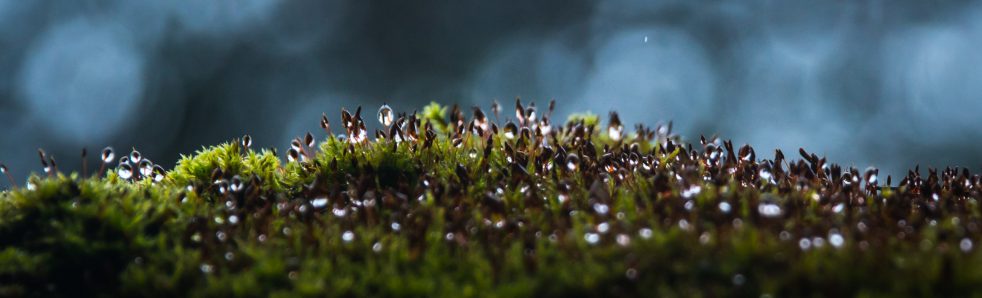
Moss growing on and around pavement at the base of a brick wall.

Urban areas are really good for some elemental work, though. The element of Earth is present in the bones of a city, from the steel beams of buildings to the ubiquitous concrete underfoot. Tall buildings give great access to working with Air — few things are as invigorating as a good energy cleanse by standing on a balcony in a strong breeze.

Living in an urban environment doesn’t always make it more difficult to work with the elements. It just takes a little digging.

Plants and Herbs

Cypress Folklore and Magical Properties

I first started this post in January… of 2020.

A bald cypress in autumn. The needles are a vibrant read and very close to falling.

The reason it took so long was because I wanted to do the subject justice. Cypress trees are my favorite trees. I feel closer to them, and more power from them, than I do other trees. They’re sacred to me. I even have a glass pendant filled with slivers of lightning-struck bald cypress wood, and a pendulum made of a naturally fallen bald cypress’ knee.

Since the local bald cypresses have lived up to their names and done their trademark needle-shedding, I thought now would be a good time to dust this post off and finally finish it.

To the ancient Greeks, cypress trees had a tragic origin. Kyparissos was a youth who was beloved by Apollo. Apollo gave Kyparissos a beautiful tamed stag who accompanied the boy everywhere. Unfortunately, the stag was slumbering in the forest when the boy was out hunting, and he accidentally killed his stag with a hunting spear. Heartbroken, Kyparissos grieved so deeply that he transformed into a cypress tree.

The staff of Asklepios, the Greek God of Healing, was made of cypress wood. Though cypress does have some medicinal qualities, it’s likely that his staff used cypress less for its healing attributes, and more for its connections to immortality.

Sacrifices to Hades and Persephone were made under groves of cypress trees. Asklepios’ staff may have been a symbolic placation of the deities of the Underworld, so that they would not take his patients.

One of Athena’s names was “Lady of the Cypress.”

Bald cypresses are so named because they are deciduous. Every year, they shed their needles during the winter months.

Bald cypresses (Taxodium distichum, in the Cupressaceae family) are also unique in that they form “knees” — tall, knobbly growths that spring straight up from the trees’ roots. Nobody’s really sure why this happens, as the knees don’t appear to serve a particular purpose and removing them doesn’t seem to affect the trees negatively. They just kind of… happen. Some theories for cypress knees describe them as an adaptation for living in very wet environments, by helping to aerate the roots, provide an additional means of preventing erosion, or helping to stiffen and strengthen the root system.

Some cypress knees get pretty big. While they’re mostly conical in shape, they can be really irregular and knobby. It wasn’t uncommon for travelers, particularly those walking at night, to mistake them for other people or even monsters.

In general, cypresses are guardians of boundaries. Members of Cupressaceae are symbols of death, immortality, the afterlife, and liminal spaces. Their typically upright growth habit connects the earth to the sky, and they’re commonly planted on the borders of cemeteries. Kyparissos’ legend further associates these trees with death and grieving. Since these trees are evergreen, they are identified with the concepts of immortality and the afterlife as well.

I wasn’t able to find much information about Chinese cypress species, but the bit I did find suggests that cypress seeds were eaten to preserve longevity. In Japan, hinoki cypresses have a prominent place in Shinto rituals. Hinoki wood is used to start ritual fires, as well as to make the priests’ scepters.

A close up of a cluster of green cypress cones.

Though bald cypresses are native to America, they still connect to similar concepts as their Middle Eastern, European, and Asian counterparts. Though they resemble evergreen conifers, they shed their needles every year — a symbolic death and rebirth. They also grow where the water meets the land, which is another liminal space.

According to Persian legend, a cypress tree was the first tree to grow in Paradise. It’s evergreen leaves and extremely durable and rot-resistant wood made it a fitting symbol for immortality.

Cypress motifs are frequently used to decorate graves and tombs. You can see this on Christian graves, and in abstract depictions on Turkish Muslim tombs as well.

Some sources claim that Indigenous American peoples believed that cypress trees had a connection to the spirit world. This claim is vague, however, and since I couldn’t find any specific references to which tribes and nations believed this, it should be taken with a grain of salt.

Cypress wood, when used in wands, is said to have a calm and soothing energy. This follows cypress’ use as a symbol of, and remedy for, grief.

Medicinally, cypress oil is used to soothe coughs, treat warts, ease hemorrhoids, treat cuts and broken skin, relieve pain from muscle aches and varicose veins, and ease symptoms of anxiety and depression.

Personally, I love cypress and get a lot out of its connection to the other worlds. Bald cypresses, in particular, are excellent emblems of the thin border between the material plane and the spirit worlds. I’ve used cypress to ease thanatophobia, and as part of an excellent oil for trancework.

If you don’t have access to cypress trees or wood, the easiest way to work with them is probably through their oil. Cypress trees are fragrant and produce a lovely essential oil. If you avoid using essential oils due to safety or sustainability concerns, you can also try purchasing some cypress needles and infusing your own oils. I’m fortunate that bald cypresses are native to this area, so there are plenty around when I need to gather twigs, needles, or cones.

If you work with grief, or as part of the counseling or deathcare industries, it may be worthwhile to explore the properties of cypress wood or oil. Even if you don’t choose to use incorporate this into your work, the aromatherapeutic and energetic properties may help ease the stress of confronting death and grief on a daily basis.

A close up of the base of a bald cypress trunk, showing four distinct knees. A pond and more trees are visible right behind them.

I have several bald cypress knees around my house. Some are altar pieces, some are floor sculptures, some are cabinet specimens. It doesn’t hurt bald cypress trees to have their knees removed, and many homeowners do so in order to make their yards a little safer and easier to maintain. You can often find cypress knees for sale on Etsy or eBay.

Cypress trees are great. If you live in an area with a native cypress species, plant one. They’re beautiful, they’re useful, and they’re powerful.

Plants and Herbs

Holly Folklore and Magical Properties

I’m lucky to live not too far from an arboretum, which means that I have the ability to observe all kinds of incredible trees. A Druid group that I’m part of regularly visits it, too, in order to learn more about native trees and the traditional trees of the ogham. This season, we’re focusing on holly.

The US boasts multiple species of native holly. While these are all of the same genus as the European holly (Ilex aquafolium) of the ogham, they’re not really the same. Nonetheless, if you’re studying the ogham’s history, significance, and usage, making friends with your local trees certainly helps.

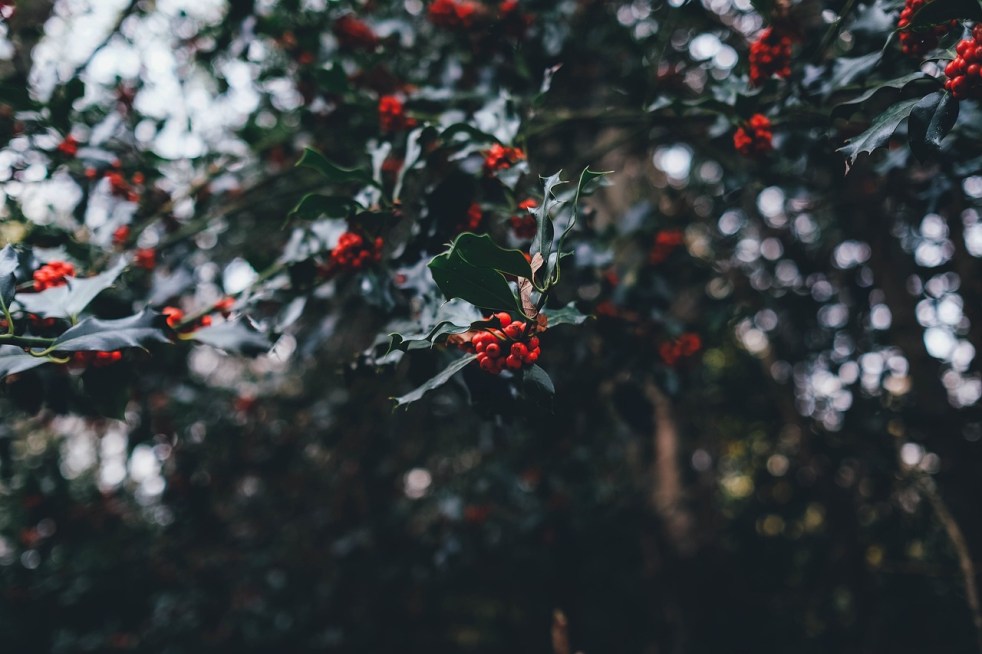
Red holly berries nestled among dark green, prickly leaves.

Holly is good for far more than its significance in the ogham. It has a long history the world over as a medicinal and magical plant.

The ogam letter “tinne” didn’t always mean holly. (There’s strong evidence that it wasn’t originally a tree alphabet, but that’s a subject for another time.) Kennings indicate that “tinne” originally referred to a metal bar or ingot.

An ogham kenning is known as a Bríatharogam. These were used to explain the meaning of each symbol, as well as to help scholars memorize them. The three Bríatharogam for tinne are “trian roith,” “trian n-airm,” and “smiur gúaile.” These translate to “one of three parts of a wheel,” “one of three parts of a weapon,” and “marrow of coal.”

In European folklore, holly was considered a highly protective plant. (If you’ve ever felt it’s hard, prickly, waxy leaves, this probably isn’t too surprising!) It was also regarded as unlucky to cut down an entire holly tree — probably because you’d be removing its ability to protect you. Instead, there was a tradition of coppicing holly trees. This let farmers use the leaves as fodder, and gave artisans access to the highly valued holly wood.

This connects interestingly to the concept of holly as “one of three parts of a wheel/weapon.” All trees and woods have their own magical properties, and holly was considered useful for controlling. That made it useful for crafting horsewhips.

Also interestingly, holly’s ability as a protective plant has some mundane basis. Holly trees often exhibit a phenomenon known as “heterophylly,” where multiple types of leaves are present on a single plant. It’s not at all uncommon to see holly trees and bushes with both smooth and prickly leaves. Researchers have found that the appearance of prickly leaves correlates to recent browsing by herbivores. After a holly tree’s smooth leaves get eaten, it replaces them with prickly leaves to defend itself!

Ilex aquifolium, exhibiting heterophylly. Many of the leaves on this branch are spiny, but some are smoother and more oval in appearance.

Holly was also believed to protect against lightning strikes. There’s evidence that the prickly shape of holly leaves helps conduct lightning, protecting the plant itself and neighboring trees and structures from damage. Somewhat ironically, certain holly species are also extremely flammable. Please thoroughly research specific species of holly before choosing to plant one near your home.

Celtic legend speaks of the Oak King and the Holly King. Each one ruled over one half of the year — the Oak King over the warm months, and the Holly King over the cold. They would do battle each solstice, and the loser would have to submit to the victor. The Holly King wins each summer solstice and rules until the winter solstice, when he’s once again defeated by the Oak King.

In the Victorian language of flowers, holly represented defense and domestic happiness.

While some species of holly have been used medicinally for inflammation, fevers, and skin problems, it isn’t commonly seen in modern herbalism. There are generally safer alternatives that are equally as effective.

In addition to protection, holly is associated with beauty, prosperity, good luck, and vengeance.

Holly makes for good, strong wands. The wood is also really white in color, so it can take decoration well. Wands made of holly wood are said to be powerful for working with and commanding spirits.

Planting a holly bush near your house is useful for protecting against malevolent entities and energies, as well as lightning. Please note that some hollies are really flammable, however, so make sure you choose the right variety for this purpose. Alternatively, bring some fresh holly boughs into your home instead.

Place some prickly holly leaves in a glass bowl of fresh water, and let it stand in the morning sunlight. Bring it in before noon, remove the leaves, and use the water to asperge rooms or objects that you wish to protect.

Holly boughs, when brought into the home, are said to protect from mischievous fairies. It’s believed that fairies come into the home with the holly boughs, so bringing them in gives the fairies a place to stay peacefully during the winter months so they don’t cause trouble. However, the fairies must be shooed away and the boughs burned by Imbolc, or the fairies may decide to stick around and become a problem. In some cultures, it’s considered unlucky to ever burn holly, so it may be better to bring the boughs outside and leave them there instead.

Hollies are also valuable food plants for birds, even though they’re poisonous to other animals. If you’re trying to cultivate a better relationship with the local fauna and spirits of the land, it may be worth planting a native holly species. The berries are hard and unpalatable for birds during the warm months, but the last a long time and grow softer and sweeter after being frozen. This means that they’re one of the last sources of food in areas that experience cold winters.

Snow on a holly branch. The bright red berries are still clearly visible and vibrant.

In my area, we have native inkberry holly (Ilex glabra). These are a bit different from the usual hollies you see on cards and decorations, since it has smooth, oval leaves and small black berries. Even if you’re like me, and the traditional spiny, red-berried holly is in short supply, native hollies are just as valuable, powerful, and interesting to meet.

life · Plants and Herbs · Witchcraft

Relieving Pain by Means Magical and Mundane

Hello! The inside of my face has been replaced with centipedes.

… Okay, fine, but that’s what it feels like.

Friday, I had a minor surgery (which, depending on how things go, may end up being the first of several. Sigh). This would not be a deal for most people, let alone a big deal, but things get complicated afterward when you have a very limited list of pain relievers that you can safely use. So, I figured I’d write this handy-dandy guide for other people in this position.

Why might someone have trouble getting pain relief? A lot of reasons. Some people avoid them because of a personal or family history of addiction. Some medical conditions, like breathing problems, preclude the use of specific types of pain killers. Some medications don’t combine well with them, either. In my case, too many pain meds manage to raise cerebrospinal fluid pressure, have a reduced effect when combined with an SSRI, and increase the risk of serotonin syndrome. This underlines the importance of disclosing everything to your doctors — your past and current medical conditions, every medication you’re taking, the whole lot. They’re not there to judge you, they’re just there to make sure you don’t die.

Anyhow, there are herbal, mineral, and magical means of coping with physical pain when everything else is contraindicated. These shouldn’t take the place of appropriate pharmaceutical pain management when that’s a) available and b) necessary, but can definitely help take the edge off when that isn’t an option. As with any herbs, don’t use them if you’re allergic to other plants in the same family, or if you’re on other medications that might interact with them. A lot of plants that relieve pain are also relaxants, so be mindful that they may make you drowsy or slower than normal. If you have an upcoming surgery, ask your doctor if these herbs are safe to use in the days running up to your operation.

Ah, chamomile. My number one solution to so many of life’s problems. It’s relaxing, it helps me sleep, and it’s surprisingly good at helping with pain.

Here, we’re talking about both German (Matricaria chamomilla, also known as M. recutita) and Roman chamomile (Chamaemelum nobile). One study found that a topical gel of 3% chamomile extract helped with pain from oral mucositis induced by chemotherapy. A clinical trial quoted in this same study showed that chamomile, when inhaled, reduced cesarian pain. Other quoted trials demonstrated a very helpful anti-inflammatory effect, as well.

Chamomile flowers floating in a cup of tea.

When I need chamomile to do more than help me relax, I prefer to use a tincture. It seems to work faster and provide more relief than tea alone (though a nice cup of iced, double-strength chamomile tea certainly has its place). A few drops of chamomile tincture are also great at soothing toothaches and mouth sores.

Chamomile essential oil is also helpful in an aromatherapeutic context (the way it was used in the cesarian surgery pain trial), but isn’t absorbed all that great. Topical applications of chamomile oil were much more effective when they were blended in a nanogel to aid absorption.

Lemon balm, Melissa officinalis, is best known as a relaxant and digestive herb. Some people use it for pain relief, but structured research is limited in this area. Still, if you’ve experienced pain that has kept you up at night, you probably know the value of something that can help you get to sleep.

Lemon balm, like chamomile, is also anti-inflammatory.

As a word of caution, lemon balm can be powerful. I don’t really get sleepy from chamomile, but a cup of lemon balm tea can knock me out. Be cautious when using it with other herbs or medicines, and don’t use it when you need to be alert.

Turmeric is an anti-inflammatory herb that I initially started using for joint pain. Combining it with black pepper, specifically the compound piperine, helps to make turmeric more effective. Piperine isn’t very soluble in water, though, so preparations made with isolated piperine usually involve extraction using solvents like dichloromethane.

Personally, I use turmeric and ginger tea all of the time. I feel a difference when I don’t. (If I’m having a rougher day than usual, it’s often because I’ve been skipping my tea by accident.) These plants are actually related, and they have some overlap in their medicinal effects.

A wooden spoon and glass jar of turmeric powder.

Turmeric and ginger are the kind of herbs that are better for chronic pain, not acute pain. Think of it like this: If you deal with joint pain on the regular, turmeric and ginger may be a big help. If you currently have a headache, you’re better off reaching for something else.

Got a toothache? Clove oil (Syzygium aromaticum) is your buddy… at least, if you’re an adult.

A drop or two of this stuff, diluted in a carrier oil, placed on a cotton bud, and swabbed on the affected tooth, can help halt tooth pain in its tracks with amazing efficiency. It’s effective for making cavities and broken teeth less agonizing until you can get to a dentist. One of the compounds in clove oil, eugenol, is even used to help manage the pain from alveolar osteitis (dry socket).

As a note of caution, clove oil is potent medicine. Use it straight, and it can burn the absolute tits out of your mouth. It can also be toxic in large doses. For children, a “large dose” is not a whole lot, so it should never be used to sooth teething babies. Clove oil can also be bad for people with liver disorders, unstable blood sugar, or who are taking anticoagulants. While a drop or two isn’t going to harm a healthy adult when used properly, it’s worth knowing this stuff and treating cloves with respect.

It’s also important to use real clove oil. Make sure the bottle says that it’s 100% essential oil from the appropriate species of tree. (Don’t worry about qualifiers like “therapeutic grade” — there are no regulatory bodies that determine this, it’s just a marketing term). Avoid products labeled “fragrance oil.”

No clove oil? Mash a little ground clove spice with warm water and apply the paste instead.

If you have a toothache and clove oil isn’t an option, biting down on a piece of raw garlic can help. Chew it until it’s soft, and let it sit on the affected tooth. If you don’t want to chew on raw garlic, mush it into a paste with a spoon or mortar and pestle, or grate it first. The important thing is to let it sit on the aching tooth.

From my experience, garlic doesn’t relieve tooth pain quite as effectively as clove oil, but it can be safer for some people. If you’re really struggling, you’re about at your limit with swabbing clove oil in your mouth, and you don’t have any chamomile tincture, garlic is definitely a solid runner up.

This is all purely anecdotal, but I’d feel remiss not to include it. I have a satin spar wand — nothing fancy, just an unpolished, rectangular hunk of gypsum — which has come in handy time and time again for pain related to intracranial hypertension. As it turns out, a number of pain relievers are associated with increased cerebrospinal fluid pressure, so there’s often not much you can do to deal with the crushing pain.

I get it the worst right at the base of my skull, as do a lot of people. I’ve found that lightly pressing a piece of satin spar to that spot really helps. Oddly enough, other massage wands don’t. Neither do other crystals. Honestly, even ice packs are a bit hit-or-miss.

Should you throw out all of your NSAIDs and stock up on satin spar? No, I don’t think so. But satin spar wands are common enough that, if you’re reading this, it’s likely that you already have one. If so, it may be worth giving a shot. It certainly has been for me!

I have a lovely bit of chlorite quartz that came from Ireland. It’s very clear, save for a bloom of deep green in its heart– like a cluster of fluffy moss.

A lot of guides attribute healing properties to chlorite quartz, but these are pretty vague. “Healing.” “Emotional healing.” “Detoxification.” Interestingly, I haven’t seen it used for relieving pain, though I have seen more than one site make the wildly irresponsible claim that it’s good against serious, potentially lethal health conditions like cancer and heart disease.

I discovered by accident that the particular specimen I mentioned is helpful for headaches. Holding it in my dominant hand has stopped one in its tracks on multiple occasions, to my delighted surprise. As someone who has headaches of varying severity on a daily basis, anything that can put the brakes on one is nothing short of miraculous.

One old remedy for tension headaches involves taking a knife (preferably one with a broad, pointed blade, like a chef’s knife) and holding it against the head. The user is then instructed to take the knife outdoors and stab it into the ground, while declaring that the headache is now sent into the dirt for the Earth to deal with. Even if you don’t necessarily believe in the power of sympathetic magic, the coolness of a piece of metal can help ease a mild headache, and the psychological benefits of this exercise shouldn’t be overlooked.

Other remedies involve transferring illness to objects like candles, then burning them. These are just as valid, but take a bit too long for my taste. If I’m having too much pain to sleep, the last thing I want to do is babysit a burning candle for several hours!

Pretty much everyone knows about using ice and heat to help relieve inflammation and pain, but setting up the right temperature gradient can turn that relief up to eleven.

When it comes to headaches, warming your feet while cooling your head can be a huge help. This helps increase blood flow to your lower extremities, while narrowing vessels in your head. If you have the kind of throbbing headaches that are triggered or made worse by heat, this can really improve things by a surprising amount. A warm footbath and an ice pack on the back of my neck can be an absolute lifesaver sometimes.

It’s really not uncommon for people to end up in a situation where their pain relief options are limited. This list isn’t to suggest that herbs and crystals can substitute for, say, a morphine drip for a terminally ill person, but to hopefully offer some ideas for people who, like me, don’t really have safe, effective options available.

Plants and Herbs

Radish Folklore & Magical Properties

We’re fortunate to have a service in our area that delivers goods from the local farmers’ market. Even if we can’t go there ourselves for whatever reason, we can still pick out what we want and get it dropped off for not a whole lot of money. A week’s worth of fruit and vegetables for us is about $40, plus $2-4 for delivery. Pad that out with beans and rice or potatoes, and it’s a good way to have a reasonably healthy, varied, local diet without spending a ton or having to go to the store a bunch. If you have fewer people to feed, a box with five items of your choice is only $25ish. It’s nice.

This week, we’re getting celery, bok choy, apples, tomatoes, kale, fennel, and a ton of radishes. Why so many radishes? ‘Tis the season! They’re cool weather plants that mature in a short time, so there’s always a bunch available in spring and autumn.

Radishes originated in China and entered the historical record in the 3rd century BCE, and spread across Europe from there. They were also one of the first plants introduced to the Americas by European colonizers.

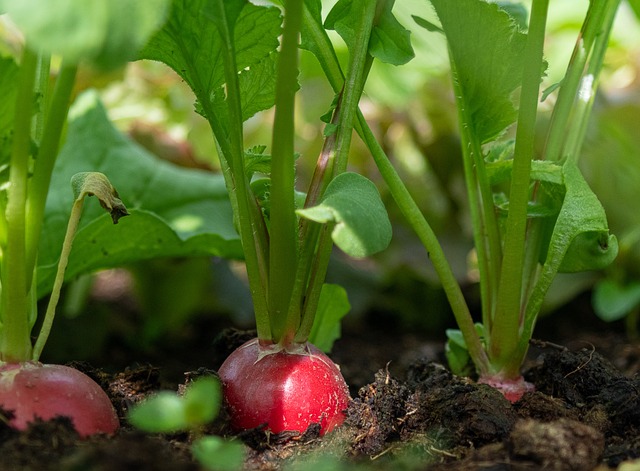
A close up of some radishes, still in the soil. The tops of the round, red roots are visible just above the soil line.

In antiquity, opinions on radishes were divided. Pliny and Discorides prized them, while Hippocrates claimed that they were “vicious” and difficult to digest.

To be fair, radishes are cruciferous vegetables. This puts them in the same group as plants like kale, mustard, cauliflower, and broccoli. They’re not the easiest things in the world to digest and are notorious for causing gas.

Radishes were offered to Apollo, but not just any radishes. It was customary to present gifts to deities in the form of intricate carvings. Radishes were so prized, Apollo received ones made of solid gold.

In Oaxaca, Mexico, people observe the Night of the Radishes. Artists compete by creating intricate sculptures carved entirely from radishes. These aren’t the typical small, round guys you see in the grocery store, however — they’re a specially grown variety cultivated specifically for this festival.

An old folk remedy for nagging and gossip involved tasting a radish before bed while fasting. This was said to protect men from being harmed by “the chatter of women.”

One old English book says that uprooting a radish while reciting the proper incantations would allow one to find witches. (Unfortunately, the author didn’t write down the incantations.)

Radishes are also associated with lust spells and protection. This makes sense, considering their peppery heat and red color. Both of these qualities are associated with sexual desire and protection and can be seen across many magical ingredients used for these purposes.
Wearing a garland of radish flowers around one’s neck was said to keep demons at bay.

The juice and oil of radishes were also considered protective and curative. Washing one’s hands in radish juice was said to enable one to safely handle venomous creatures. Another source claimed that dipping a whole radish in a glass of poison would render the poison safe to drink.
(Do not do any of these things pls.)

In Germany, radishes were associated with evil spirits. Well, one specific evil spirit: the demon Rübezahl. He is a mountain spirit who is often portrayed as a trickster figure. On one hand, he could help humans and teach them the secrets of medicine. On the other, he represents the capriciousness of the weather of the mountains. In Czech fairytales, Rübezahl (called Krakonoš) gave humans sourdough.

It’s also said that he was fond of taking whatever he pleased without asking. He kidnapped a princess who was very fond of radishes (in some versions, turnips) and locked her away in a tower. When the princess began to wither away from loneliness, the spirit turned a radish into a cricket. He warned her that, once the leaves of the radish began to wither, the cricket would die. The clever princess sent the cricket off to find her true love and bring him back to rescue her. Sadly, the radishes withered and the cricket died before he could, but he succeeded in chirping his tale to all of the other crickets in the world. Now, whenever you hear crickets chip, you hear them tell the tale of Rübezahl and the stolen princess.

It should be noted that Rübezahl is actually a mocking nickname — it’s more respectful to refer to him as Lord of the Mountains, Herr Johannes, or Treasure Keeper.

As a common culinary ingredient, radishes are pretty easy to use. Combine them in a salad with other ingredients that relate to your intention, and enjoy. Radishes, strawberries, and basil can be eaten (or fed to a consenting lover) for lust. Radishes, lettuce, oregano, and garlic can be eaten for protection. Radish greens are edible, too!
A bunch of red radishes on a cutting board, tied together with red and white string.

For best results, stick with young radishes. The older they get, the tougher and more difficult to digest they become.

Since radishes are a cool weather crop, they’re a good choice for off-season growth spells. For example, if you want to bring more love and lust into your life but it isn’t exactly growing season, you may still be able to get decent results by sowing radish seeds.

Since flowering radish tops repel evil, you may wish to include these plants in beds near your front, back, and side doors. Let them flower and keep your home protected from malevolent spirits.

Radishes are a fun, easy to grow, easy to use ingredient in food and spells alike. I remember growing some in a tiny plastic vegetable garden kit that came from McDonald’s when I was very little, and I’ve kind of had a soft spot for them ever since. If you have any space to dedicate to these little guys, give them a shot!

Plants and Herbs

The robot uprising is here, and they’re trying to kill us with bad foraging advice.

When foraging, it’s said that you should be as confident identifying edible plants in the wild as you are in a grocery store. Foragers also say that the best way to learn is to have an experienced person to guide you. Not everyone has access to someone like that, though. Enter: Books about foraging.

Ripe wineberries. They are shiny, red raspberry-like fruit on a stem covered in red hairs.

Now, gathering and eating wild plants based entirely on the photos and descriptions in a book can be a bit intimidating. For some plants, this isn’t a big deal — wineberries, for example, are an invasive edible that’s really easy to pick out. Garlic mustard and wild onions, too. Some plants don’t really have poisonous lookalikes, so the odds of making a dangerous mistake are pretty slim. Others, not so much.

All of this is to say that books about foraging aren’t all bad. At least, they weren’t.

Here’s where shit gets weird.

People looking to make a quick buck have turned to artificial intelligence and Amazon’s publishing platform to pump out a lot of barely-concealed drivel. A lot of this is in the form of children’s books, I guess because they seem easier to make than a full-length novel. This is far from harmless, because children’s books play a role in the development of literacy and empathy that you don’t really want to hand off to a computer.

This attempt to cash out isn’t limited to children’s books, either. Amazon and other online book sellers have become the proud purveyors of foraging books written by AI. This isn’t really a new phenomenon, but, on the off chance any of you out there’re in the market for foraging guides, I figured I’d give you a heads up.

To be fair, a lot of these are simply useless and the worst they’ll do is waste your money. The books in this category claim to be foraging guides, but end up being about why foraging is good, listicles on the benefits of eating more fruits and vegetables, and recipe ideas. Pretty harmless overall.

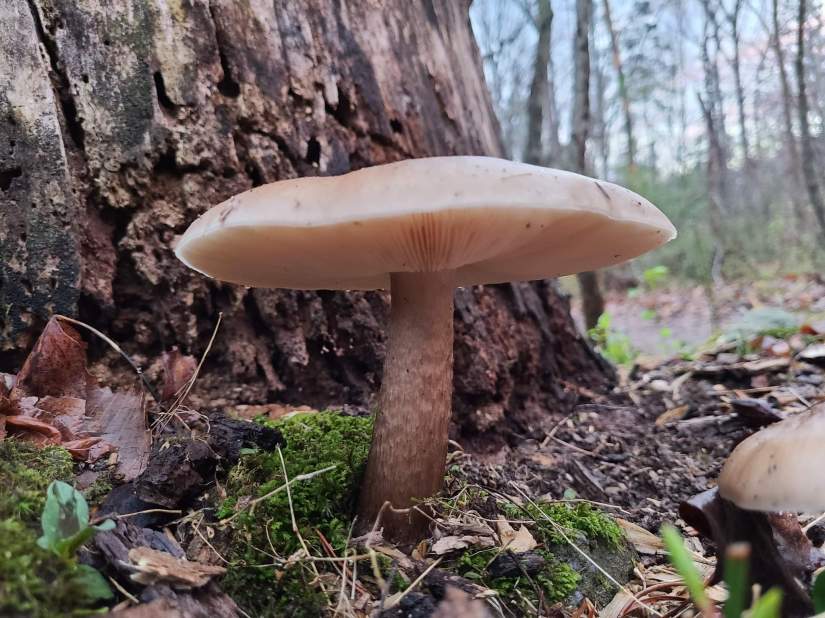
An underside view of the gills of a cream-colored mushroom.

On the other hand, there are books offering actual descriptions of “edible” plants and mushrooms(!). Some of them even list “taste” as an identifying feature of plants and fungi, which could encourage inexperienced foragers to taste things they haven’t positively identified. Since many extremely poisonous mushrooms are visually similar to harmless ones, this could get someone killed. Hell, plenty of people already mistake poisonous mushrooms for edible ones even without books encouraging them to taste them.

It’s not always easy to pick out which books are written by actual human people, and which aren’t. There are a couple of things that you can look for:

  • Publishing dates. Books written before the rise of AI generated content are a safer bet here.
  • The author’s web presence. Even if they have a photo, that doesn’t necessarily mean that they’re a person. The photo could be stolen (just see any of the fake identities on Scamfish), or made up by a different AI. Look for a blog. A Facebook page. A TikTok. An Instagram. Something to indicate an existence beyond the cover of a dodgy book.
    As this article from 404 Media states, “‘Edwin J. Smith’”’ is the author listed on two books[,] but doesn’t have any other books, or an online presence otherwise. The only Edwin J. Smith I could find was a Professor Emeritus of medicine at Indiana University from a staff list that’s more than a decade old.”
  • The author’s credentials. They should be actual, and not completely made up. Beware of author bios that offer vague, unrelated information.
  • A sample of the prose. A lot of bots pull from very varied sources, so you’ll get bits that sounds like they’re cut from a recipe blog, a florist’s website, an actual foraging manual, and so forth. These are also likely to be thrown together without much thought, because no actual humans looked at it to make sure it’d make any damn sense at all.
  • The editing. Bad, AI generated foraging guides often have mistakes that any human editor (or writer, for that matter) would pick up on right away.
  • A bad score from an AI-detection tool, like Scribbr or GPTZero. Get a sample of the text, paste it in a detection tool, and see what it says. While you’re at it, paste the author’s bio in there, too.

Again, if you’re able to, connect with an experienced foraging expert before going out in the field on your own. Your local university may be able to help you. You might even be able to find a group of foraging enthusiasts on sites like Meetup. Even if you can’t go out with a foraging expert, they may be able to recommend actual, useful guides, videos, and other resources for you.

Plants and Herbs

Rosehip Folklore & Magical Properties

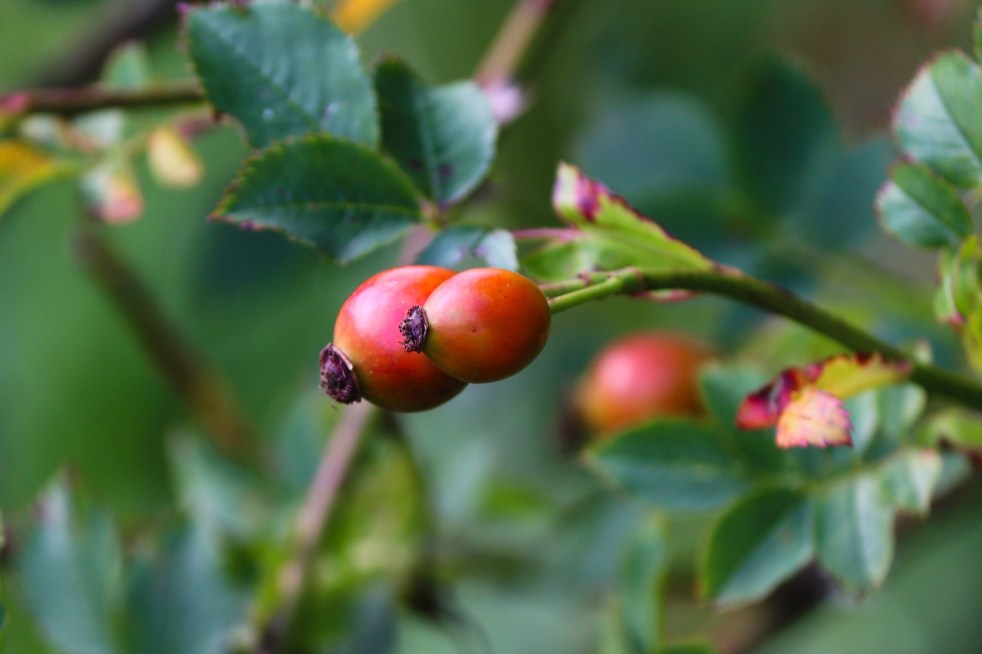
Roses (t least in their wild form) are fruit-bearing plants. These fruits, called rosehips or rose haws, are bright red, berrylike fruits that serve as a source of food for wildlife and people alike through the autumn and winter months. They’re high in vitamin C, and are frequently used in everything from supplements, to teas, to jellies, to skincare products.

They’re best harvested right after the first frost, when the fruits are bright red and slightly soft. That’s actually what prompted me to write this post — see, our first frost date is supposed to be in the middle of October. As of this writing, next weekend is supposed to be in the 80s. According to the National Weather Service, we’re not actually going to get frosty temperatures until the middle of freaking November. I could harvest the fruits anyhow and mimic the action of a frost by popping them in the freezer for a few hours, but still. 80 degrees.

Some bright red, round rosehips on the plant.

(Side note, my Handsome Assistant and I were planning on taking a very off-season vacation on the beach. We weren’t planning on trying to swim or anything, but we decided to cancel anyway since it’d likely be too chilly to do much but hole up. Go figure!)

Rosehip Magical Uses and Folklore

Medicinally, rosehips are used for anything that benefits from more vitamin C. They’re boiled into syrup and given for colds, and used in tea over winter (when fresh fruit is in short supply). The fruit is also a mild diuretic that can help with certain urinary disorders, while the seeds, when boiled, may be helpful for symptoms of gout.

The fruit portion of a rosehip forms a kind of capsule around the seeds. These seeds are covered in irritating hairs, which is why it’s important to clean rosehips before using them. These hairs are so irritating, in fact, that they can be used to make itching powder!

Not all roses will form hips. Flat blooms, as opposed to cup or globular blooms, generally have the easiest time doing so. The reason for this is simple: cup and globular blooms are bred for show, and have masses of petals that cover their stamens and pistils. Since pollination is necessary for fruit production, bees need to be able to get in there to pollinate. This is easy for them with flat blooms, and next to impossible with more complex shapes. Deadheaded roses also won’t produce hips, since the portion that would become the hip gets cut off in the process.

Rosehips are useful for all of the same things that roses are. They shine in love and beauty magic (due, in part, to their vitamin C content). Used in ritual baths or to infuse oils, they can have a brightening effect on the skin.

Some more rosehips. These are still very green and not yet ripe.

Rosehips are also used in spells for good luck and prosperity.

To banish nightmares, place some rosehips under your pillow. You might want to use dried hips for this, since fresh ones could end up leaving you with a sticky, squishy, unpleasant surprise in the morning!

Since rosehips house rose seeds, they’re a good general addition to spells to increase anything. All seeds have immense potential and are used in magic for growth, so you can include rosehips in any spell to increase love (including self-love), money, luck, you name it.

Using Rosehips

To use fresh rosehips, wash them well, slice them open, and remove the seeds and hairs with a spoon. You can then dry them, make them into jelly, or eat them fresh. Dried hips from the store are good to go as they are.

Add fresh or dried hips to magical teas or other recipes. They have a tart flavor that pairs well with lots of drinks and dishes. Stir with your dominant hand as you cook, and intentionally infuse the mixture with the energy that you want to attract or increase.

To keep nightmares at bay, include dried hips in a dream pillow. Lavender, lemon balm, and rosemary also work very well here.

Dried rosehips (and rose seeds) are great additions to spell jars. As I mentioned above, they bring extra energy to increase whatever it is you’re looking to grow or attract.

On the other hand, the irritating hairs around rose seeds are good for protection or banishing spells. Add them to powders to keep unwanted people or spirits at bay. Sprinkle them under your doormat and instruct them to annoy anything and anyone who shouldn’t be at your door.

Rosehips are as useful as they are beautiful. If you have garden space, I highly recommend planting some wild type roses to help feed birds and other animals (and provide you with lots of powerful magical ingredients). If you don’t, keep your eyes peeled when you’re out and about — you may just find some wild roses with plenty of hips to share.

Plants and Herbs

Maple Folklore & Magical Properties

This past weekend, my Handsome Assistant and I took a small drive down Falls Road (alias Scenic Route 25). This was recently dubbed the second-best route in the country for seeing fall colors, and, while the leaves haven’t quite reached their peak just yet, it was a really lovely drive.

Red maples (Acer rubrum) are one of my favorite trees to see in autumn, and I’m lucky to share a home with one. Their leaves turn a vibrant scarlet every autumn, hence the name.

Bright red maple leaves on a branch.

Honestly, I just love maples in general. As a little kid, I used to pick up their samaras (we called them “pollynoses”) from the sidewalk, open the seed capsules, and stick them on the end of my nose. I bake primarily with maple syrup. I’m trying to convince my Handsome Assistant to make his next back of mead a batch of acerglyn (a similar beverage made of half honey, half maple syrup) instead.

I probably don’t need to say that trees have featured prominently in Pagan practices probably ever since the first Pagan. Each one has its own traits and associations, and, when it comes to working with the wood, leaves, or fruits, its own magical properties.

To be honest, maples were so ubiquitous where I grew up that I didn’t know they weren’t more widely harvested from. When I was thirteen, I was a foreign exchange student, which resulted in a brief stay in the Netherlands before going to Sweden. My student group (jetlagged and exhausted) stopped at a cafe on our first day there, where I happily ordered a plate of silver dollar pancakes and syrup.

But it was not syrup.
It was stroop.

Stroop (rhymes with “rope”) is often made of boiled-down fruit, water, and sugar, but can also be made with molasses and brown sugar. While it isn’t bad by any means, the latter variety is kind of an unpleasant surprise when you’re a kid who’s used to maple syrup with pancakes, hates molasses, and also desperately needs a nap. Not knowing any better, I drenched my pancakes in stroop and made myself a very avoidable struggleplate.

Anyway, all of this is to say that maples rock, maple syrup is the food of the Gods and should absolutely never be taken for granted, and I may still carry some molasses-induced trauma.

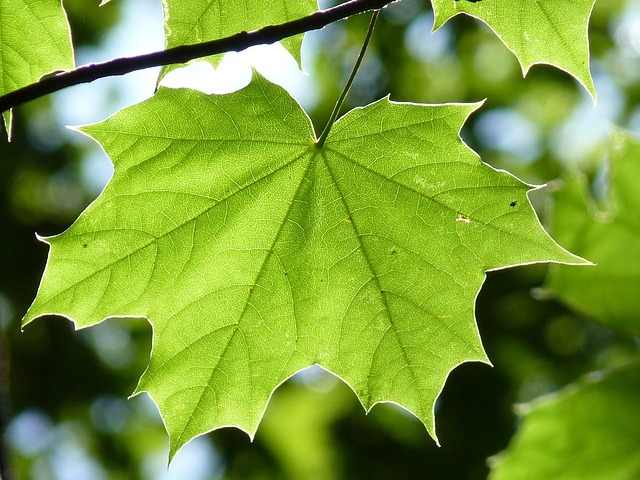
Maple’s genus, Acer, is Latin for “sharp.” This is due to their very unique, pointy leaves.

An Abenaki story tells how maple syrup once flowed freely from trees. It came so easily, people would lay on their backs and just let the syrup run right into their mouths. The legendary figure Glooskap saw how lazy people had become, so he turned the thick, sweet syrup into runny sap. From then on, if people wanted to eat maple syrup, they would have to work for it!

Another story, said to be of Haudenosaunee origin, tells of a man who watched a red squirrel nibble the end of a maple branch. The sap flowed until the sugars dried, hardened, and crystallized. The squirrel then came back to lick the sweet maple sugar.

In European-based magical systems, maple syrup is often used as an ingredient in love spells.

Maple sugar or syrup is also a useful ingredient in sweetening jars.

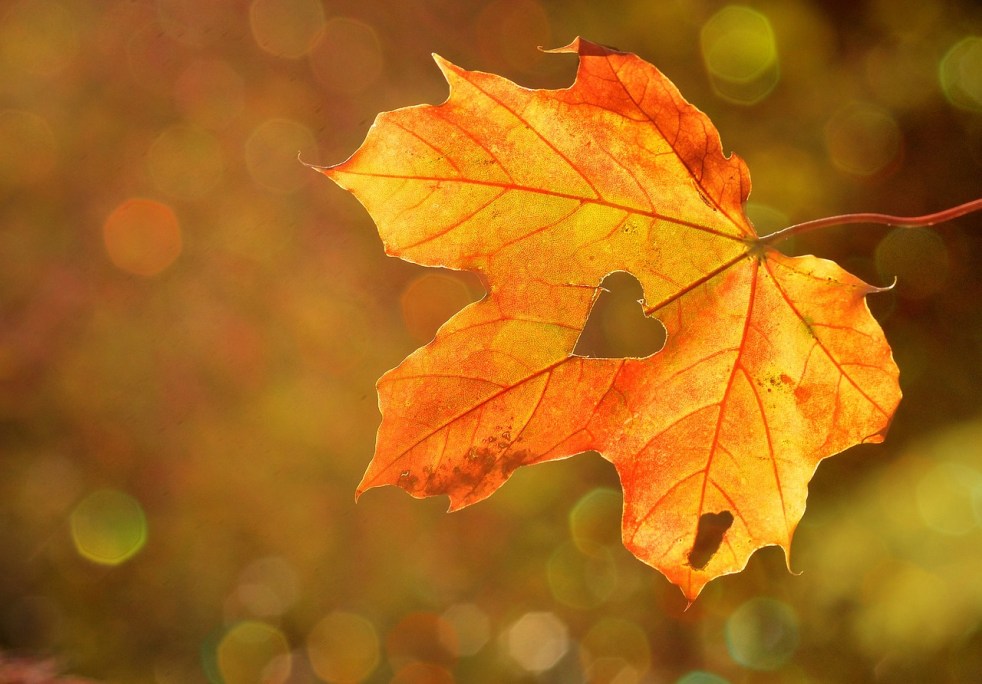
A bright green maple leaf.

By contrast, maple wood is considered very protective. It was sometimes incorporated into doorframes for this purpose.

Some sources consider maple to be good for prosperity and abundance in general.

As wand wood, maple is known for having a somewhat erratic energy. It also helps dispel negative energy, center oneself, and reveal paths and options one may not have considered.

Maples, particularly silver maple (Acer saccharinum) are considered Moon plants. They’re also associated with the element of Water.

Working with maple can be as simple as using magical tools made from the wood. Every tree — and thus every wood — has its own energy. I haven’t personally found maple to be erratic, but, to be totally honest with you, I’m erratic enough myself. (I think it also helps to have sourced the wood from a tree that I know pretty well!)

If you’re in the eastern US, you’re probably located near a maple tree. If that maple tree is anything like the one here, it probably drops plenty of sticks and smallish branches every time there’s a storm. Should you be of a mind to make your own magical tools, deadfall maple wood is honestly really easy to come by.

I can only vouch for red maple, but, once the bark and cambium are stripped off, the wood itself is light and silky-feeling. Sanded well, it takes on an almost metallic sheen. I love it.

The next easiest way to work with maple is to use maple syrup. You’ll need the real stuff for this, unfortunately — the fake stuff is cheaper, but also doesn’t really bear any resemblance to the genuine article. (There’s a good reason for that, too. Maple sap is chemically very complex, and we still don’t really understand all of the different compounds and reactions that give boiled sap its flavor. That makes it pretty much impossible to make a decent imitation syrup.)

If you’re looking to make a sweetening jar, artificial syrup is probably fine if you can’t get your hands on the real stuff. That said, plain sugar and tap water will make you a perfectly fine simple syrup that’ll a) be cheaper, b) let you add your intention or energy during the syrup-making process, and c) let you bypass the artificial flavors, colors, and other ingredients that don’t really add anything to the magic-making.

Otherwise, add maple syrup to your favorite edible magical recipes. Like I mentioned above, I bake with it almost exclusively — it’s pricey, but I love what it does for the flavor and texture of desserts. Seriously. It makes amazing breads and cakes, and is fantastic in chocolate chip cookies. Add the maple syrup, thank the tree for its sacrifice, tell the syrup what you want it to do for you, and stir your concoction clockwise using your dominant hand. Easy peasy.

Maple samaras (aka, pollynoses) can also be helpful additions to a charm bag. They end up all over the place in late spring to early autumn, so, if there’s a maple anywhere near you, you probably won’t have any trouble finding some. Add them to bags for prosperity, love, or protection.