
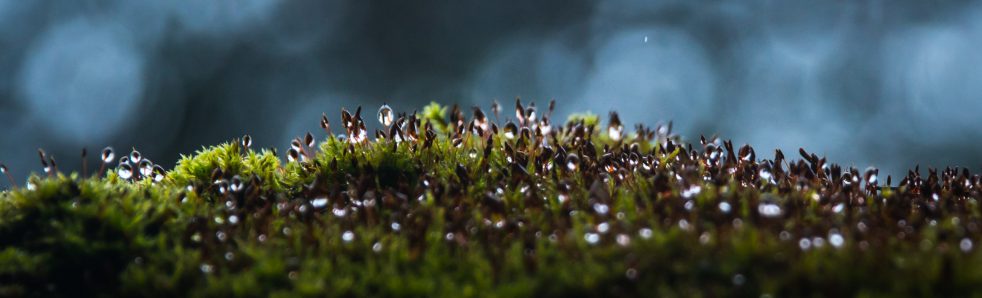
As I write this, it’s the first day of spring. There’s an Ostara celebration this weekend, things are coming up in the garden, and the crows have returned from their winter perambulations. Happy spring equinox!
Sadly, I probably won’t be able to make it to the big ritual and feast this weekend — it’s a bit of a hike for my Handsome Assistant and me, and it’s been a rough week. (He’s had stress from his not-being-my-assistant-job, I started my meds for my seasonal allergic asthma again, and we’re both tired of the constant stress of the news cycle. We’re pretty much wiped out and a long drive, sadly, probably isn’t in the cards.)
All that aside, I’m excited about the changes I’m seeing in the garden. I’m going to go through and do a bit of a bigger inventory soon, but, for now, I’ve been noticing buds on the persimmon, apple, and plum trees, the return of the raspberries, buds on the roses and blueberries, and new growth in the yarrow and sage plants. The tulips and daffodils I planted are also returning, and they’re looking really good so far.
Unfortunately, there’s some bad news. The big maple tree seems to be infested with a native species of oak borer. It’s dropping more limbs at an accelerated rate, and there are tons of larvae under the bark. (The woodpeckers, on the other hand, think this is a wonderful development.) The trouble is, even assuming the tree isn’t too far gone to be saved, the treatment of choice is injection with a neonicotinoid pesticide. Neonicotinoids are controversial, and for good reason — while they’re very effective, they’re also nonspecific and terrible for non-target species. They’re notorious for killing bees, but bees aren’t the only ones that they harm. As much as I want to save this tree, I can’t do it at the expense of the insects that I’ve been working so hard to attract, feed, and shelter here. We’re losing too many bugs as it is.

Since this is a native species of borer, the fact that an infestation has progressed like this so quickly means that there’s an underlying problem. Treatment with pesticide would, therefore, be a bandaid solution at best. I don’t know how old this tree is, just that it’s mature. I know that the yard is (still, mostly) immature, hard, heavy clay soil, stemming from years of cultivating turf grass. We haven’t lived here that long, and I don’t know all of the stressors that the tree has experienced. I only know what it’s told me and what I’ve witnessed in the brief period of its rapid decline. I really, really don’t want to lose it, but I don’t know what to do that wouldn’t just be a temporary solution that would end up making so many other things worse. It’s a sucky situation to be in for everyone — and everything — involved.
Plus… As annoyed with them as I am, the native borers belong here, too. Unlike invasive borer species, they evolved to have a place in the local environment and are a food source for several important species of parasitoid insects and insect-eating birds. They wouldn’t even be a problem if there weren’t something else already wrong.
The spring equinox is a balance point. The word “equinox” means “equal night,” and stems from the fact that this is the time when the length of daylight and night hours is equal. From now until the autumnal equinox, the daylight hours will continue to lengthen.
Balance means taking the good with the bad. It’s life and death. It’s the decay of autumn’s leaves that feed the soil and make way for new growth. As much as I don’t want to lose this tree, I know the end might be coming and I’m grateful for all it’s done in its life.
Things leave, things return, and new things arise. The important thing is not to dwell on the loss, but to build on it and sow the seeds of things to come.

 Marble Crow