It’s the time of year when my crow bros — Magni, Ruff, Boink, Muse, Peanut, and company — typically come back. They’ll be around until the starlings fledge, then usually disappear with the rest of their murder over the winter. I love them dearly and I’m excited to have them, but it’s an excitement that’s tinged with worry for one reason: H5N1, the virus responsible for avian flu.
There’s avian flu in my county. It was found in a backyard flock of chickens. (Perhaps coincidentally, the neighbor’s roosters have been unusually silent.)
While news stories have primarily focused on pet and livestock birds, wild bird populations are also potential reservoirs for the disease. While you’re not going to get it from hiking or bird watching, it’s a significant concern if you’re one of the many people who maintain bird feeders.
My yard is, for the most part, optimized for feeding songbirds on its own. I leave the seed heads on things for the finches to pick at, and I’ve deliberately planted hip roses and beautyberries to provide some autumn and winter food. The platform feeders I have are pretty much just for crows, and two distinct families of crows, at that. One of them is Magni’s bunch, the other is a family that was displaced during some construction downtown. There are a few reasons why I want to keep them attracted here:
- I’d rather they hang around here, where food and water are easy to get, than go hassle my neighbors that have backyard fowl. Also,
- They keep the rodents away.
“But,” you might be saying right now, “If you don’t put food out, rodents won’t come!”
Ha, I say. Ha ha, even. You would think that, but as long as there’s a water source and anything resembling food, the rodents will come. That means bugs. Any fruit-, vegetable-, or grain-bearing plants. Particularly attractive pieces of cardboard. In short, as long as I grow anything other than grass, something’s gonna come try to eat it. Since I am legitimately terrified of hantavirus, I want as many natural allies against uninvited rodentia as possible.
So, there are some steps I’m taking to keep myself, the crows, and others safer from avian flu. This shouldn’t be taken as advice, but as an assurance that all of these little weirdoes that I write about seem healthy, and that I’m doing the best I can to keep them so.
I’m:
Being selective.
Regular wild bird seed mixes are intended to attract a variety of birds to one’s yard. Experts recommend against this for multiple reasons, chief among them that it encourages multiple groups and species to congregate in one spot. This makes it easier to transmit diseases like avian flu between bird populations that otherwise wouldn’t interact.
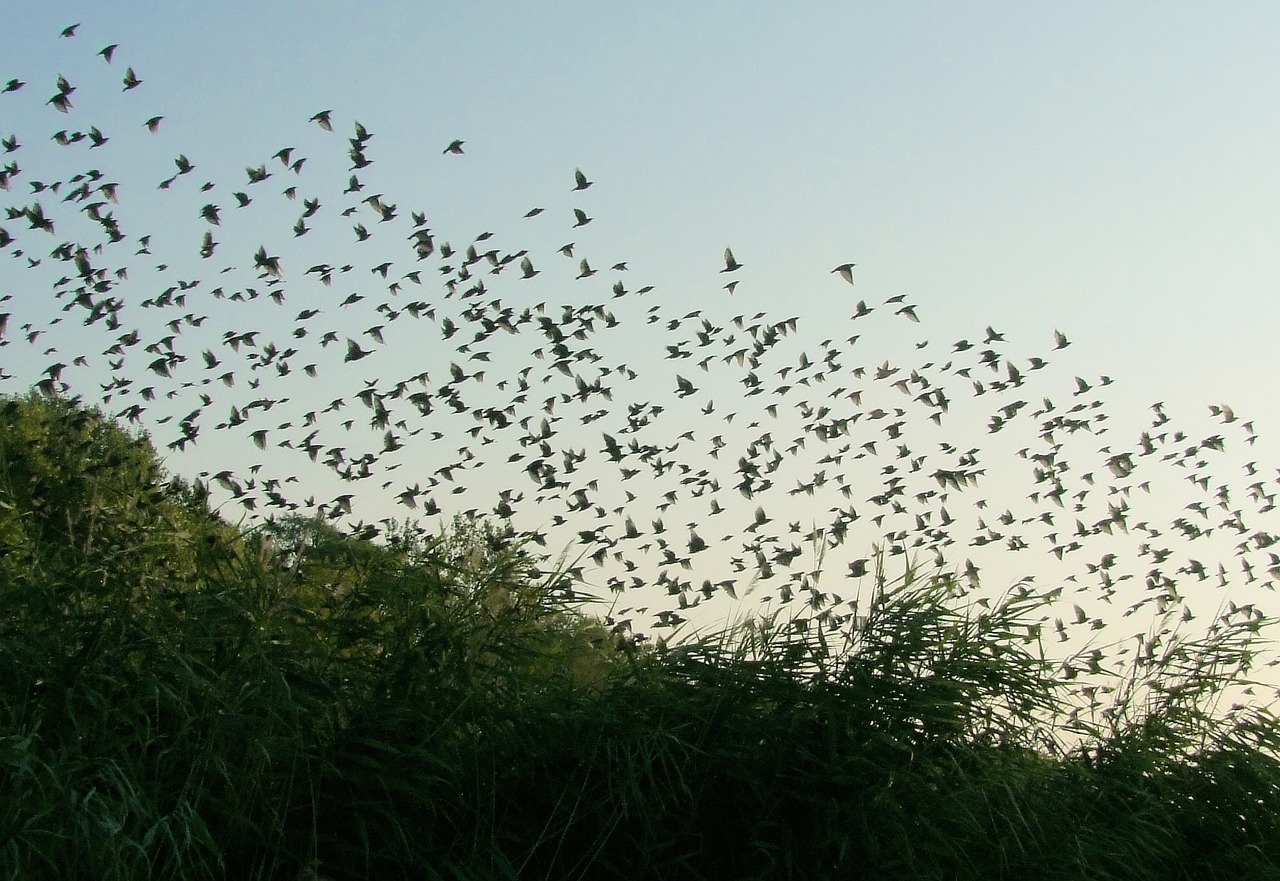
Fortunately, in this situation, I’m not trying to attract multiple species of birds. Much the opposite, really. While the front yard is planted in a way that wild birds can come pick at things as they please, the two platform feeders I maintain are pretty much exclusively for Magni’s crew and the other crow family. This means that I can put out food that they’ll want, but is unappealing to the starlings, juncos, cardinals, finches, and sparrows that usually pass through here. In other words, I’m discouraging congregation by focusing entirely on two small family groups of birds that already forage together.
Being nosy.
I don’t want to keep food out for long periods of time because, even if the food I put out isn’t appealing to smaller birds, they’ll still come up and pick through it to see if there’s anything edible.
I’ve been nosy, so I’ve noticed that Magni’s group and the other family typically come through here at two distinct times of day. Now, those are the only times I put food out. Once it’s gone (and it never lasts long), it’s gone. There aren’t any leftovers for anyone else to come dig through. Whatever they don’t eat, Todd, Freddie, and the other squirrels clean up in short order.
Sanitizing.

The platform feeders are basic wire mesh, which is nice. Any dust or water falls right through, so things stay pretty neat in the feeders themselves. Nonetheless, this doesn’t mean that they’re germ-free.
Each one gets a regular soak in a diluted bleach solution. I know, I’m usually all about making my own cleaners and using vinegar on everything, but I’m not going to fuck around with a virus like avian flu. Bleach and water it is.
This is also useful for other surfaces that animals come in contact with. It’s something I’ve gotten used to doing from keeping small animals whose enclosures require careful, thorough, regular sanitization.
Observing.
Right now, Magni’s bunch and the other crow family look (and sound) healthy. Last year, Ruff had an issue with what was most likely a mite or fungal infection that caused them to lose most of the feathers around their neck, but this has resolved on its own. Boink had some damaged flight feathers that kept him from flying away, but he had enough safe places to hide, molted well, and has replaced the feathers he’d lost. Nobody has had any signs of avian pox or other serious illnesses. Dark, shiny feathers, clear eyes, clean butts, no weird lesions, and no weird noises.
It isn’t always easy to tell a sick animal at a glance, so this isn’t exactly reliable. Still, it’s a good idea to keep an eye on the overall health of wild animals that pass through spaces you frequent. A weird looking bird could be cause for concern.
Occasionally, I provide some diluted ACV in the water I put out. This isn’t something that’s helpful to do on a constant basis, and it must be very diluted. There’s some evidence that it can help birds combat various fungal and bacterial issues, but it is not a suitable treatment or preventative for serious illnesses.
Protecting myself.
The last step I’m taking is to take care of myself. That means masks and gloves when cleaning up, careful hand and face washing, and so forth. This is important whenever you have to be around any kind of biological mess, but masking is especially important when you’re dealing with dried feces or any other residue that may break down into airborne dust when you disturb it.
If you maintain a feeder for multiple species of birds, now might be a good time to either revise your strategy or go on a hiatus. Encouraging them to congregate makes it easier for sicknesses like avian flu to spread from one population to another, and more disease vectors mean more opportunities for mutations that could make the jump to humans and other animals. It’s always better to provide food in the form of native fruits, vegetables, and flowers than to provide a bird feeder, but that also isn’t always possible with every species. By taking on the task of providing food, water, and shelter to animals, one also takes on the responsibility of keeping them (and the people who may come in contact with them) as healthy as you feasibly can.

 Marble Crow