
Do you ever experience the dreaded “henna headache?”
In my case, I switched to botanical hair color from synthetic hair color because I wanted something that’d cause less irritation, have fewer fumes, and have a lower risk of sensitization. Imagine my devastation when I realized that I experienced awful migraines from what was supposed to be “safe, natural” hair color. Online research wasn’t much help in the matter, either — some people reported consistently getting headaches from using henna, but there didn’t seem to be a solid reason people could really point a finger at.
After years of experience and experimentation with a variety of dye plants, I’ve managed to narrow henna headaches down to a few common triggers. If any of these seem to match with your experience, there are ways to mitigate your discomfort and still end up with beautiful hair.
1. It may not really be henna.
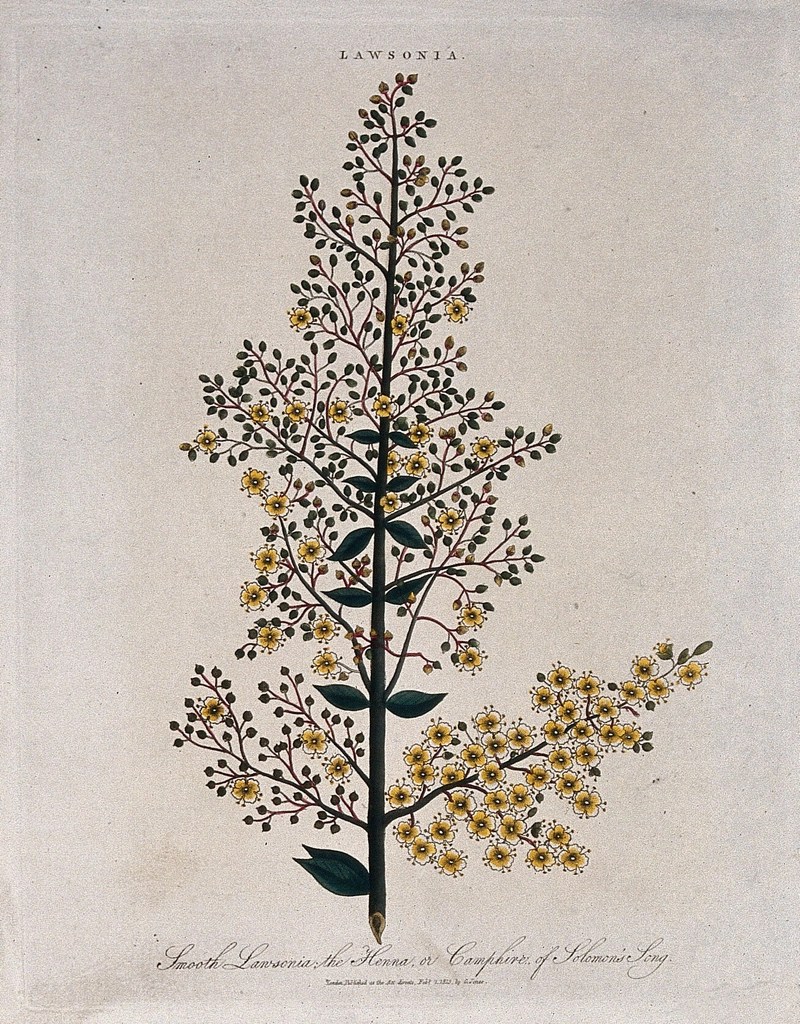
Not all henna is henna. A fair amount of the henna creams and dyes on the market are what’s called compound henna, which may be henna (Lawsonia inermis) based, but also contain other botanical dyes, metallic salts, and even synthetic colorants. Compound henna is why so many hair colorists don’t want to work on hair that’s been treated with henna — they have no way of knowing if you’ve used henna, or “henna.” The metallic salts in compound henna can react violently with some of the chemicals used in salon coloring. Some of the other components of compound henna can also cause headaches, just like synthetic colorants may.
If you’re using a henna dye that’s any color other than reddish orange, you may be using compound henna.
2. It may be natural, but it might not just be henna.
Even if a product isn’t compound henna, it may not be pure Lawsonia inermis. In my case, I was using a combination of pure powdered henna, and pure powdered indigo. This gave me a very nice, deep brown color. Seems safe and natural, right?
A lot of things are natural, like stonefish, nightshade berries, and manchineel fruit.

Indigo doesn’t start out looking the way one might assume. It’s not actually blue, for one — blue is actually the least common color in nature. It starts as a colorless precursor, indican. When this is soaked in water, it gets hydrolyzed and produces indoxyl. After the indoxyl ferments for several hours, it yields leucoindigo. When leucoindigo oxidizes, it becomes the blue indigo we’re all familiar with. Indigofera tinctoria and other members of the Indigofera genus are complex, fascinating plants with a long history of use in dyes, paints, and even medicine.
However, they also carry the potential for toxicity. If you’re using a mixture of henna and indigo powder under the assumption that it’s safe because it’s all-natural, but you’re still experiencing a henna headache every time you use it, indigo may be the culprit. In my specific case, switching from henna + indigo to just henna solved my problem entirely.

Does this mean you can’t wear your favorite dark-dyed jeans? Not at all. Just maybe avoid eating or drinking indigo or leaving it on your skin and hair for hours at a time. If you regularly work with or use indigo and find that you have a lot of otherwise-unexplained headaches, maybe try reducing your contact with it and see if it makes a difference.
3. It could be the heat.
Have you ever gotten a headache from going quickly from one temperature to another? You might notice it on a hot summer’s day, when going from the sunny outdoors to a chilly, air-conditioned building, or even in the depths of winter when you go from the heat to the bitter cold. Kicks my butt every time.
One headache remedy even involves using temperatures to normalize blood flow in your brain, by keeping your feet warm and your head cool.
If you apply henna paste, wrap it up, and keep your head warm while the color develops, you may inadvertently be exposing yourself to a headache trigger. Try keeping your feet warm as well, and maybe put a cool compress on your forehead.
4. It could be the weight.
Henna paste is pretty thick. If you have a lot of hair to color, covering every inch of it in henna paste can add a lot of weight to your poor head and neck. This extra weight can put more strain on your neck, leading to tension headaches. Unfortunately, I don’t have a good solution for you here — if at all possible, wrap your hair up in a way that’s evenly balanced, at least, to make it a bit easier to deal with. Remain sitting with your head resting comfortably on something for as long as you can. A gentle massage and a cold compress can help deal with inflammation in your neck
5. It could be the tugging.
Henna paste dries out very easily. It’s why it needs to be kept wrapped up — it takes a long time for the color to develop well, and, if you leave it exposed to the air, the paste will dry out long before it has a chance to be effective. If your hair isn’t well wrapped up, the paste may start to dry and create a pulling sensation on your hair and scalp.
If you’ve ever worn a tight ponytail or tight set of braids and ended up with a sore, tender scalp or a headache by the end of the day, you know how much that pulling feeling can suck. In this case, the solution is pretty simple: Make sure your henna pasted hair is kept well covered and not allowed to dry out. (I use a waterproof shower cap.)
6. It could be tightness.
Say you’re using pure henna. You have short hair, so it’s not too much weight. You have it wrapped up well, but not too much, so it stays moist without making your head too hot. What else could it be?
Sometimes, it might be the way your hair’s wrapped up. If you use a cap that’s too tight, or wrap your hair in plastic too snugly, the pressure can cause some soreness and headaches. Experiment with different materials and wrapping techniques until you find one that’s both effective and comfortable for you.
7. Henna may just not agree with you.
Henna is a very safe ingredient. Pretty much all of the results that come up for “henna toxicity” deal with compound hennas — like black henna containing lead and PPD. Safety aside, allergies and sensitivities can happen to anyone, with pretty much anything.
If you’ve gone through the list and eliminated all of the other factors, it may just be that Lawsonia inermis doesn’t agree with you. You can try other botanical-based colorants, or consult with a professional colorist to find a gentle synthetic dye or a way to revert to your natural color.
It’s easy to assume that natural products are always safer and better than their synthetic alternatives, but that’s not always true. Just because a substance is (or claims to be) natural doesn’t mean that it doesn’t have the potential for harm. If you get a henna headache every time you color your hair, there may be a variety of root causes stemming from specific compounds within the dye, or even the coloring technique itself.

 Marble Crow