

It’s that time of year!
Have you been visited by a Zucchini Fairy yet? It’s a little early, but I have it on good authority that there have been a few of them about.
Zucchini Fairies are magical creature known to visit neighborhoods where at least one person has planted zucchini. Overnight, a Zucchini Fairy scopes out these gardens and, the next day, all of that person’s neighbors wake up to boxes of unasked-for zucchini on their doorsteps.
They’re very mysterious creatures. In fact, nobody’s ever seen one. All that’s known about them is that they are most definitely not the neighborhood zucchini-grower attempting to get rid of some of the absolutely outrageous number of vegetables that their plants put out.
Ahem.

Honestly, zucchini are really great plants for beginning gardeners. They’re both prolific and easy to grow, so it’s not hard to end up with an absolute buttload of fresh zucchini. You can make them into noodles (aptly named “zoodles”), roast them, slice them thin and fry them, or even bake them into desserts. If you’re more magically inclined, you can also tap into their metaphysical properties.
Zucchini Magical Properties and Folklore
The zucchini we have come to know and love was developed in Italy in the 19th century but did not originate there. It’s one of many plants that came from the Americas and underwent generations of selective breeding to arrive at its current form. Because the modern zucchini is relatively new, there’s not a lot of traditional herb lore around it.
In some areas, locals warn that you should never leave your car windows open during zucchini season. You may return to find your car packed full of it (probably by Zucchini Fairies).
(On a related note, August 8th is official Sneak Zucchini onto Your Neighbor’s Porch Day. I’m not doing zucchini this year, so, if you live near me, yas better strap in for some pumpkins instead.)
While squash is one of the Three Sisters in the traditional foodways of many Indigenous American cultures, that involves other species of squash and not what we picture when we hear the word “zucchini.” Combining corn, beans, and squash creates a food ecosystem in which each plant is fed, supported, and protected. In some Indigenous agricultural practices, each of the three plants is believed to be looked after by one of the Three Sister Spirits. These Spirits are three siblings who were never apart in life — so now, the Three Sister plants much always be planted together, eaten together, and celebrated together as sustainers of life.
If you intend to eat zucchini more or less as-is, seasoned growers suggest picking it when it’s between 6-8″ in length. When it becomes larger, it can get a bit seedy and lose its tenderness. Don’t worry, though — the bigger, tougher zucchini are still delicious when grated and made into breads, cakes, or fritters, so they don’t need to go to waste.
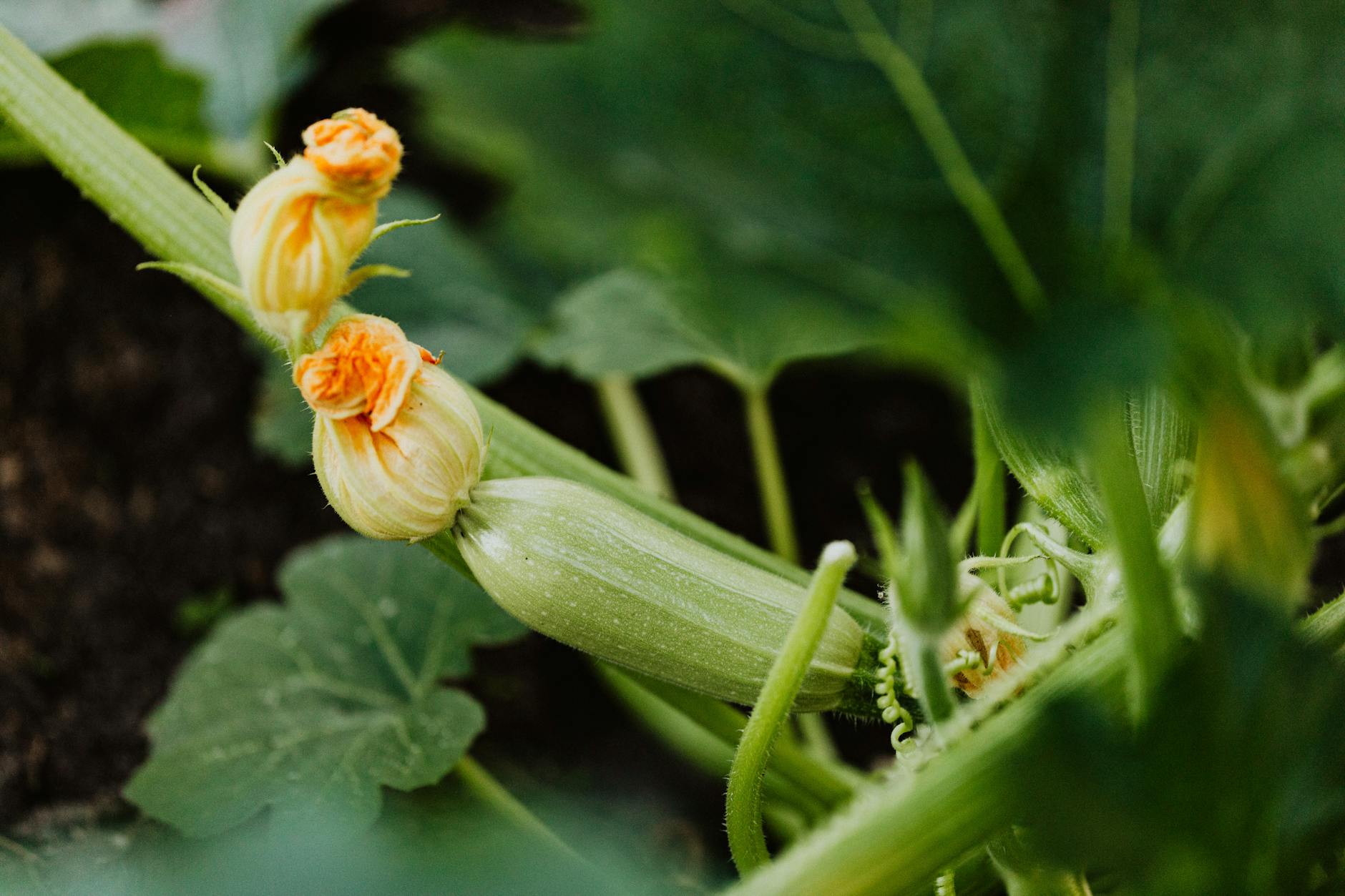
Due to its prolific nature, zucchini is commonly used in magic for fertility and abundance.
Zucchini is associated with the element of Earth. Practitioners who use the masculine/feminine energy dichotomy also associate this plant with “feminine” energy.
Using Zucchini
It’s possible to pick zucchini leaves or flowers to use in things like sachets or jar spells, if you wish. You can also batter and fry the flowers, which are delicious.
Personally, I prefer to leave the leaves and flowers where they are. I find the leaves unpleasant to touch, and the plant needs them more than I do. The flowers also provide food and shelter for pollinators — at night, squash bees like to crawl up inside them just before the flowers close. It gives them a safe, cozy little sleeping bag to curl up in.
As for the vegetables themselves… They’re not exactly the kind of thing you’ll be tucking into your dream pillows or anything (though that mental image is hilarious). So, in lieu of all that, here’s a fantastic recipe for egg-free, dairy-free, nut-free zucchini bread. It also uses cinnamon, which is considered a magical catalyst and love/money herb. Project your intention into the batter as you mix it, and you’ll have a delicious loaf of abundance and prosperity magic when you’re done!
Easy and Tasty Vegan Zucchini Bread
Dry Ingredients
- 1 cup white einkorn flour (or use regular wheat flour)
- 1/2 cup whole grain einkorn flour
- 1/2 teaspoon baking soda
- 1/2 teaspoon baking powder
- 1/2 teaspoon salt
- 1 teaspoon cinnamon
- 1 tablespoon ground flaxseed
- A whole bunch of chocolate chips, walnuts, or anything else you’d like to mix in (optional)
Wet Ingredients
- 1/4 cup avocado oil (or other oil or fat source of your choice)
- 2/3 cup maple syrup
- 1 teaspoon vanilla extract
- 1 C grated zucchini
Directions
- Preheat your oven to 350 degrees Fahrenheit.
- While that happens, whisk or sift together your dry ingredients.
- Add your wet ingredients and mix thoroughly. (If you’re using regular wheat flour instead of einkorn, you may wish to add a little extra oil, maple syrup, or a few tablespoons of a milk of your choice — einkorn typically requires less liquid than regular flour.)
- Spread the batter in a well-greased loaf pan. Bake for 50-55 minutes, or until a toothpick inserted in the center comes out clean.
- Allow to cool, slice, and serve. I like it with a little of the Date Lady’s chocolate spread.
Whether you’re visited by the Zucchini Fairy, are your local Zucchini Fairy, or purchase your zucchini from the grocery store, these versatile vegetables are a great way to inexpensively pad out pretty much any recipe you can think of. Breakfast? Zucchini muffins. Lunch? Zoodles and pesto. Dinner? Roasted zucchini as a side. Dessert? Chocolate chip zucchini bread. Focus on the abundant, fertile, and prolific nature of these amazing plants, and invite their energy into your life.

 Marble Crow