
Hot spices have a certain reputation in magic. On one hand, they’re catalysts — helping to speed things along and bring results more quickly. On the other, many of them are baneful or strongly protective. (Chili peppers, for example, are found in many a banishment and protection recipe.)
Then there are what I call the “sweet heat” spices. These are catalysts that don’t show the powerful banishing or repelling properties of other hot spices. They have heat, but their heat is more geared toward attracting things than driving or keeping them away. This is where things like cinnamon and ginger fall.
Since it’s December, I figured a post on ginger would be timely. After all, it’ll be time for ginger cryptids soon!
Ginger Magical Uses and Folklore
Ginger (Zingiber officinale) is related to turmeric, galangal, and cardamom. It originated in Southeast Asia, but there are a number of other plants that bear the name “wild ginger.” American wild ginger species are members of the family Aristolochiaceae, making them related to Dutchman’s pipe. While American wild ginger tastes and smells similarly to Z. officinale, they are not closely related. American wild ginger also contains Aristolochic acids which, while they have some medicinal properties, can also damage kidneys and trigger particular types of liver and urinary cancer. (Exposure to Aristolochic acid also correlates with a poor prognosis for liver cancer.) In short, anything that wild ginger can do, there are other remedies that can do it better and more safely. So, for all purposes that suggest ingesting ginger, please assume that this post refers to Z. officinale, and not members of Aristolochiaceae.
In ancient Greece, it was said that ginger flowers grew where Demeter’s tears had fallen after Persephone’s abduction.
In China, ginger was associated with the Monkey King Sun Wukong. He is a fiery-tempered trickster figure who first appeared in the novel Journey to the West published during the 16th century.
According to Hindu folklore, the first ginger plant arose when Lakshmi tossed a piece of ginger into the ocean.
Pretty much every culture that used ginger recognized it for its warming properties. In ancient Greek, traditional Chinese, and Ayurvedic medicine, ginger is regarded as a spice to ease respiratory ailments and improve digestion. Even today, ginger is used as a natural remedy to reduce nausea. It has shown remarkable efficacy for nausea triggered by pregnancy and chemotherapy.
One old healing ritual involves chewing a bit of fresh ginger root, spitting it out, and rubbing it either on a sick person, or on a photograph or poppet of the sick person.
Overall, ginger is a magical catalyst. This means that it helps achieve results more quickly. It’s also said to increase one’s “inner fire.”
Ginger is often used in romantic formulas to induce passionate feelings.
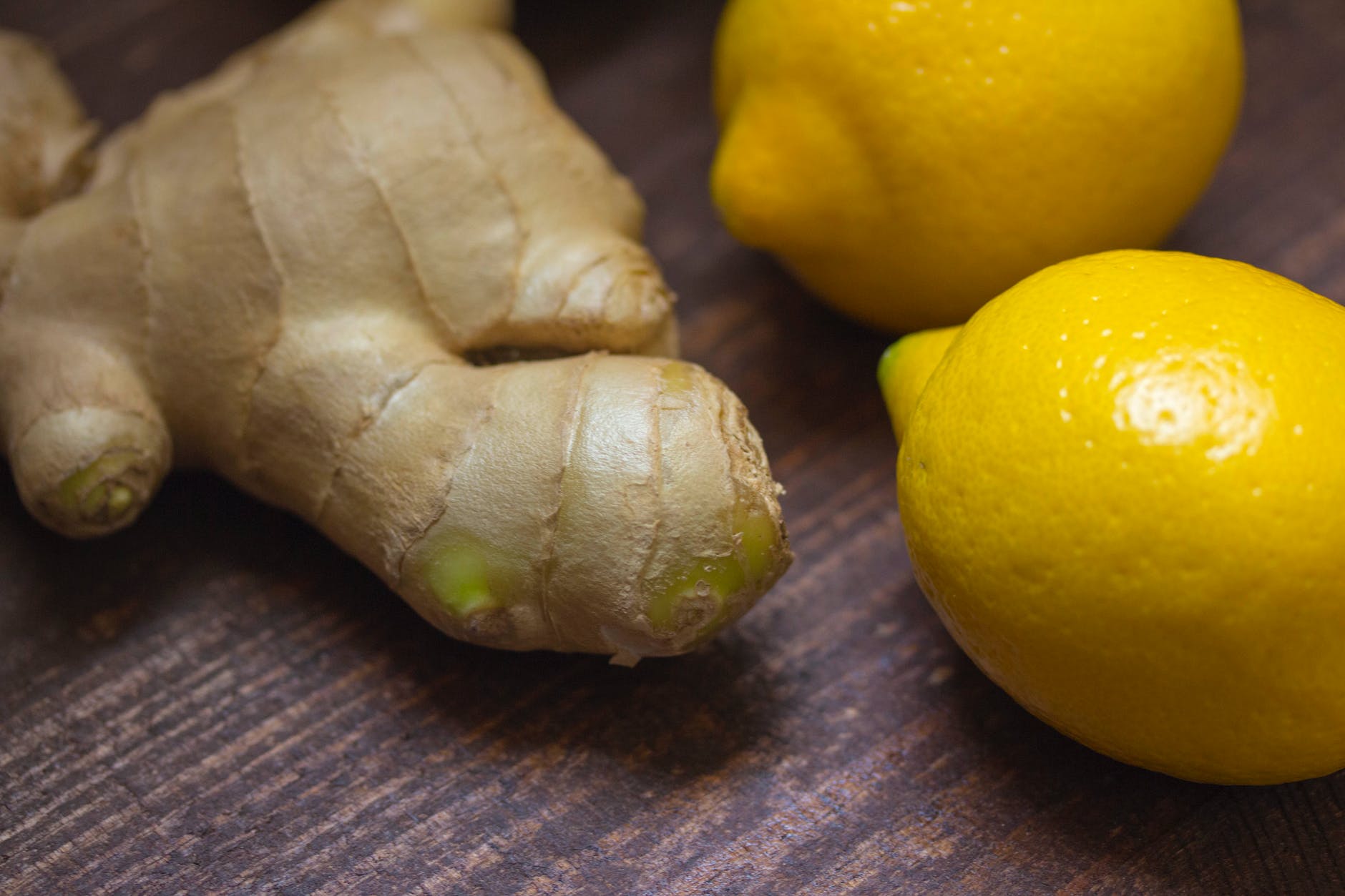
It’s said that the most powerful ginger roots are those that are shaped like humans, with a knobbly “head,” two arms, and two legs.
This root is associated with the element of Fire, as well as the Sun. As a solar herb, it’s frequently used in rituals and formulas for success and prosperity.
Using Ginger
Just as a reminder, Z. officinale should be used for preparations that are intended to be ingested. Members of Aristolochiaceae should not be used internally.
Since ginger is a catalyst used in formulas for romantic love, it’s an excellent ingredient in “date night” recipes. Use it alone or with other love- and passion-inducing ingredients, like rose petals or cinnamon, in food or beverages to share with a lover.
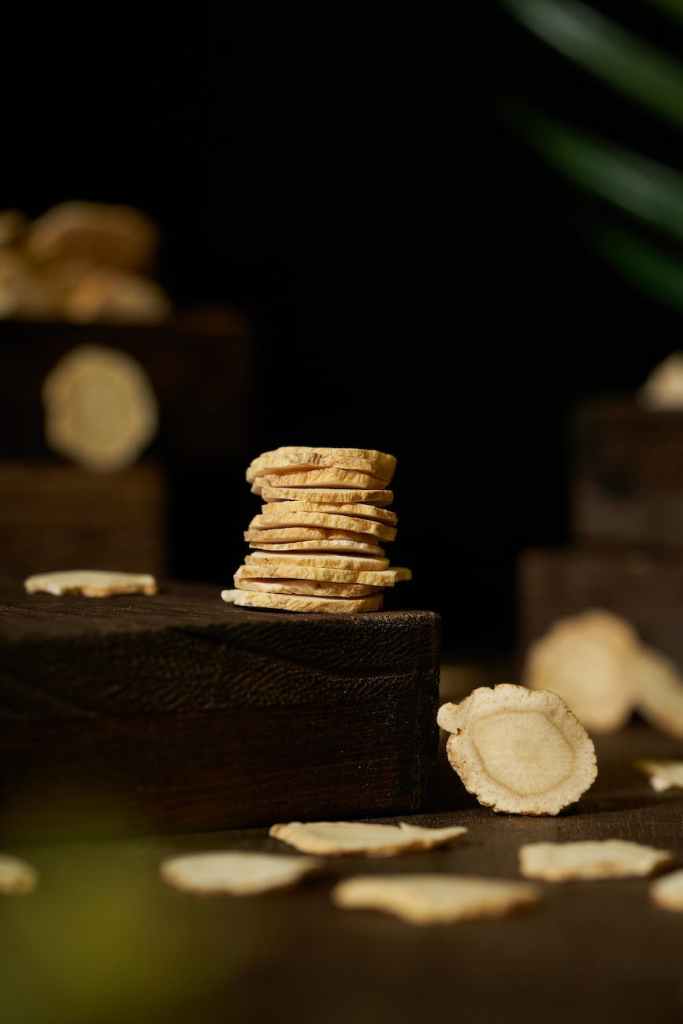
A simple money spell involves sprinkling a bit of powdered ginger in your wallet. (You can also tuck a few disks of dried ginger in there, instead.)
As ginger is also considered a physically empowering, warming herb that increases heat and vitality, drinking a cup of ginger tea before a ritual may help facilitate power raising. You can also brew some ginger tea, enchant it for strength, and drink it before playing sports or doing anything physically demanding or competitive.
It’s the Yuletide season here, so ginger is very easy to come by. You can find it in tea, cookies, cakes, and savory dishes alike. With so much delicious ginger at your fingertips, why not use some in your spellcraft?

 Marble Crow
I really enjoyed this article! I’m wondering… where did you find the story connecting ginger flowers to Demeter & Persephone? Thanks so much in advance 🙂
LikeLike
Thanks! Honestly, I don’t remember. I’m able to find multiple references to it, but none that link back to a primary source. (I’m inclined to blame the Orphics. They had a lot of interesting ideas about mythology.) Since I’m not able to find the source I originally used, I might remove that portion.
LikeLike