

We’re fortunate to have a service in our area that delivers goods from the local farmers’ market. Even if we can’t go there ourselves for whatever reason, we can still pick out what we want and get it dropped off for not a whole lot of money. A week’s worth of fruit and vegetables for us is about $40, plus $2-4 for delivery. Pad that out with beans and rice or potatoes, and it’s a good way to have a reasonably healthy, varied, local diet without spending a ton or having to go to the store a bunch. If you have fewer people to feed, a box with five items of your choice is only $25ish. It’s nice.
This week, we’re getting celery, bok choy, apples, tomatoes, kale, fennel, and a ton of radishes. Why so many radishes? ‘Tis the season! They’re cool weather plants that mature in a short time, so there’s always a bunch available in spring and autumn.
Radish Magical Uses and Folklore
Radishes originated in China and entered the historical record in the 3rd century BCE, and spread across Europe from there. They were also one of the first plants introduced to the Americas by European colonizers.
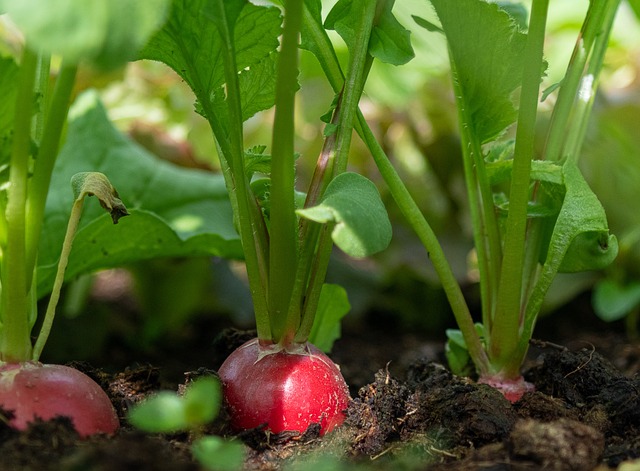
In antiquity, opinions on radishes were divided. Pliny and Discorides prized them, while Hippocrates claimed that they were “vicious” and difficult to digest.
To be fair, radishes are cruciferous vegetables. This puts them in the same group as plants like kale, mustard, cauliflower, and broccoli. They’re not the easiest things in the world to digest and are notorious for causing gas.
Radishes were offered to Apollo, but not just any radishes. It was customary to present gifts to deities in the form of intricate carvings. Radishes were so prized, Apollo received ones made of solid gold.
In Oaxaca, Mexico, people observe the Night of the Radishes. Artists compete by creating intricate sculptures carved entirely from radishes. These aren’t the typical small, round guys you see in the grocery store, however — they’re a specially grown variety cultivated specifically for this festival.
An old folk remedy for nagging and gossip involved tasting a radish before bed while fasting. This was said to protect men from being harmed by “the chatter of women.”
One old English book says that uprooting a radish while reciting the proper incantations would allow one to find witches. (Unfortunately, the author didn’t write down the incantations.)
Radishes are also associated with lust spells and protection. This makes sense, considering their peppery heat and red color. Both of these qualities are associated with sexual desire and protection and can be seen across many magical ingredients used for these purposes.
Wearing a garland of radish flowers around one’s neck was said to keep demons at bay.
The juice and oil of radishes were also considered protective and curative. Washing one’s hands in radish juice was said to enable one to safely handle venomous creatures. Another source claimed that dipping a whole radish in a glass of poison would render the poison safe to drink.
(Do not do any of these things pls.)
In Germany, radishes were associated with evil spirits. Well, one specific evil spirit: the demon Rübezahl. He is a mountain spirit who is often portrayed as a trickster figure. On one hand, he could help humans and teach them the secrets of medicine. On the other, he represents the capriciousness of the weather of the mountains. In Czech fairytales, Rübezahl (called Krakonoš) gave humans sourdough.
It’s also said that he was fond of taking whatever he pleased without asking. He kidnapped a princess who was very fond of radishes (in some versions, turnips) and locked her away in a tower. When the princess began to wither away from loneliness, the spirit turned a radish into a cricket. He warned her that, once the leaves of the radish began to wither, the cricket would die. The clever princess sent the cricket off to find her true love and bring him back to rescue her. Sadly, the radishes withered and the cricket died before he could, but he succeeded in chirping his tale to all of the other crickets in the world. Now, whenever you hear crickets chip, you hear them tell the tale of Rübezahl and the stolen princess.
It should be noted that Rübezahl is actually a mocking nickname — it’s more respectful to refer to him as Lord of the Mountains, Herr Johannes, or Treasure Keeper.
Using Radishes
As a common culinary ingredient, radishes are pretty easy to use. Combine them in a salad with other ingredients that relate to your intention, and enjoy. Radishes, strawberries, and basil can be eaten (or fed to a consenting lover) for lust. Radishes, lettuce, oregano, and garlic can be eaten for protection. Radish greens are edible, too!

For best results, stick with young radishes. The older they get, the tougher and more difficult to digest they become.
Since radishes are a cool weather crop, they’re a good choice for off-season growth spells. For example, if you want to bring more love and lust into your life but it isn’t exactly growing season, you may still be able to get decent results by sowing radish seeds.
Since flowering radish tops repel evil, you may wish to include these plants in beds near your front, back, and side doors. Let them flower and keep your home protected from malevolent spirits.
Radishes are a fun, easy to grow, easy to use ingredient in food and spells alike. I remember growing some in a tiny plastic vegetable garden kit that came from McDonald’s when I was very little, and I’ve kind of had a soft spot for them ever since. If you have any space to dedicate to these little guys, give them a shot!

 Marble Crow
I like to spread butter on slices of radish, sprinkled with a little sea salt.
LikeLike
I really like them in salads, though lately I’ve just been eating them plain(ish, with a little balsamic vinegar). I’m trying to do a low-fat, high-carb thing, but I miss vegan butter so much!
LikeLiked by 1 person